 Aura: Looksmaxxing
 Volufiline Lips Before and After: What to Expect
See real volufiline lips before and after results. Learn how this plant-based compound works, how long it takes, and whether it's worth trying.
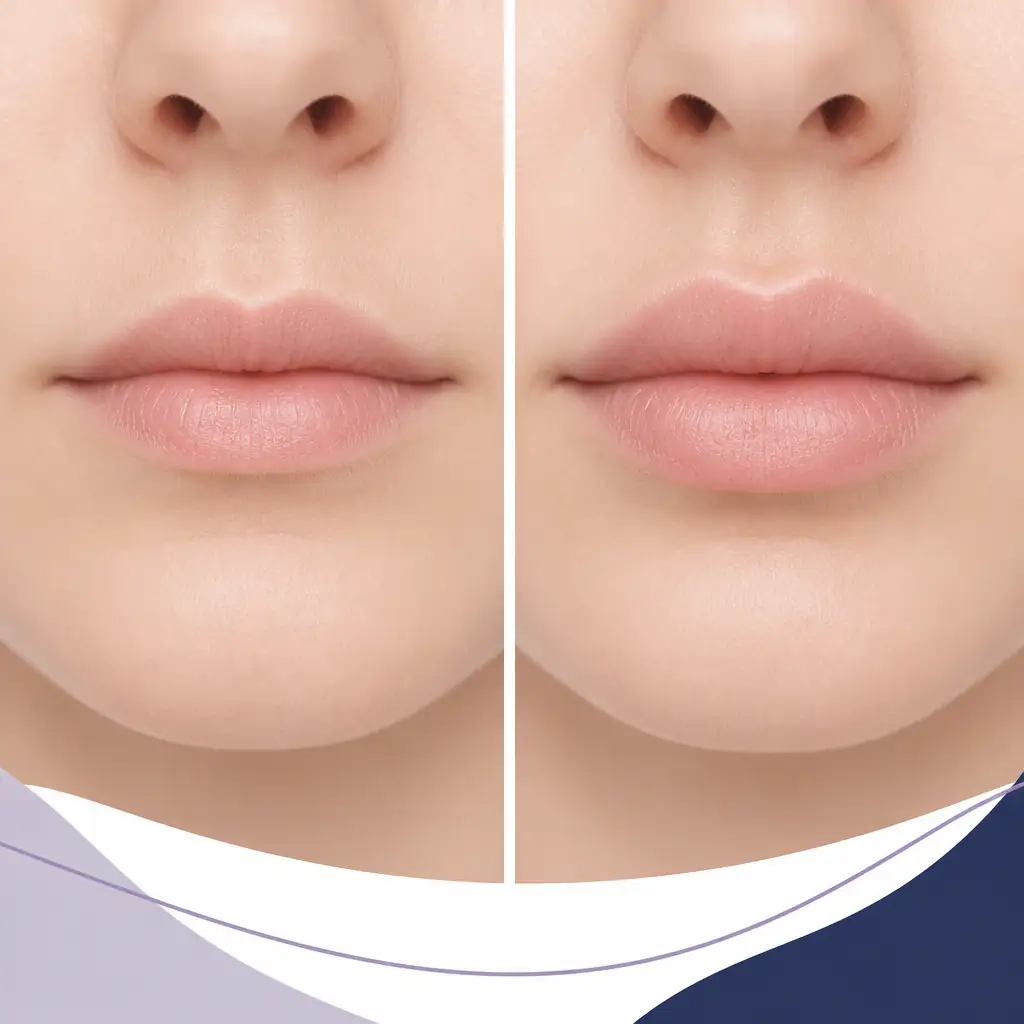
If you’ve been looking into non-invasive lip enhancement, you’ve probably come across volufiline. It shows up in serums, glosses, and overnight masks, usually with bold claims about plumping lips without needles. But what do the actual before and after results look like, and how does it compare to the expectations most people bring to it?
This guide covers the science behind volufiline, realistic timelines, how to read before and after photos critically, and how to get the most out of topical lip treatments.
Disclaimer: This article is for informational purposes only. Talk to a qualified professional before starting any new cosmetic treatment, especially if you have skin sensitivities or underlying health conditions.
What Volufiline Actually Is
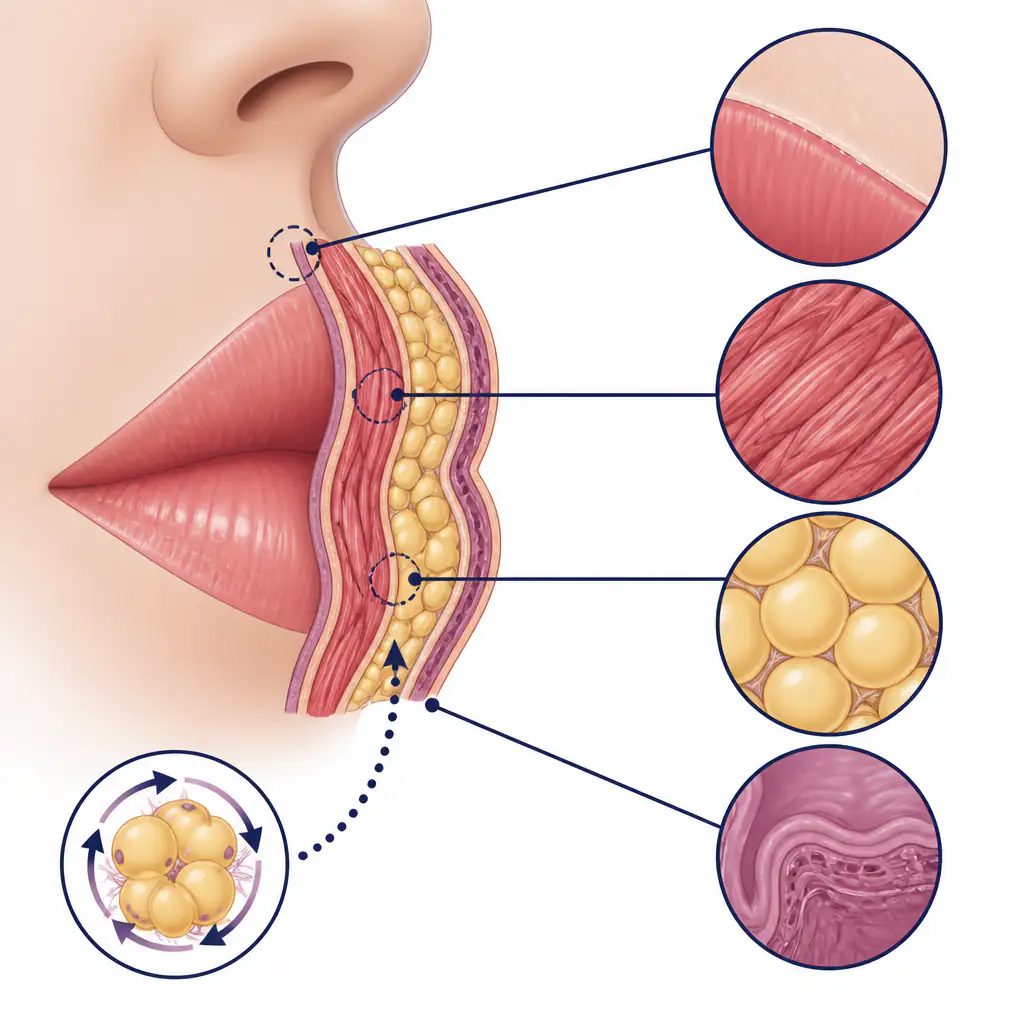
Volufiline is a patented cosmetic active ingredient derived from Anemarrhena asphodeloides, a plant used in traditional Chinese medicine. Its active component is a group of compounds called sarsasapogenin, which research suggests may stimulate the proliferation of adipocytes, the fat-storing cells found in subcutaneous tissue.
In plain terms: volufiline may encourage the area where it’s applied to store slightly more fat, creating a subtle volumizing effect over time. This is distinct from how hyaluronic acid fillers work (which physically expand tissue by binding water) or from plumping agents like capsaicin or cinnamon (which cause temporary irritation and blood flow changes).
Because volufiline works at a cellular level rather than through surface irritation, its effects are slower to appear but also less likely to cause redness or sensitivity in most users.
The Science Behind Lip Volumizing
The lips are composed of the orbicularis oris muscle, a thin layer of fat pads, and an outer layer of skin covered by the vermillion border. As we age, the fat compartments in and around the lips shrink, the vermillion border becomes less defined, and the Cupid’s bow flattens. Volume loss is primarily structural, which is why surgical and injectable options remain the most effective interventions.
Topical ingredients like volufiline are working at the margins of this process. In vitro studies (lab studies, not human clinical trials) show that sarsasapogenin can increase lipid accumulation in fat cells by up to 492% under controlled conditions. However, translating lab results to real skin, real lips, and real humans is always a significant step, and clinical evidence for topical volufiline remains limited.
What the existing manufacturer studies suggest is a measurable but modest increase in lip volume with consistent use, typically quantified with 3D imaging rather than visible to the naked eye in a single glance. That context matters when you’re evaluating before and after photos.
What Volufiline Lips Before and After Photos Actually Show
Before and after photos of volufiline lip treatments are widely shared online, but they require careful interpretation. Here’s what to look for and what to be skeptical of.
Signs of Genuine Results
- Consistent lighting and angle. Legitimate comparisons use the same light source, camera distance, and head position in both shots.
- Gradual, subtle change. Volufiline doesn’t produce dramatic overnight plumping. Credible results show a modest increase in fullness, particularly in the body of the lower lip, over four to eight weeks.
- Unchanged lip line. Unlike fillers, volufiline doesn’t visibly alter the vermillion border or cause asymmetrical swelling.
- Timeline transparency. Trustworthy results specify the duration of use and the concentration of volufiline in the product.
Red Flags in Before and After Content
- Dramatically plumped lips after a single week of use
- Different lighting, lip positions (relaxed vs. slightly parted), or makeup between shots
- Results that look identical to injectable filler outcomes
- No mention of the product’s volufiline concentration (effective formulas typically use 3% to 5%)
Some users report a noticeable softening of lip texture and a subtle increase in fullness after consistent use over six to eight weeks. Others notice very little change. Individual response appears to depend on baseline lip anatomy, how well the product penetrates the skin barrier, and application consistency.
Realistic Timeline for Volufiline Lip Results
Unlike plumping glosses that deliver an immediate (and temporary) effect through irritants, volufiline requires time. Here’s a general timeline based on available data and user-reported experiences.
Week 1 to 2
Most users notice nothing visible. The ingredient is beginning to interact with subcutaneous adipocytes, but no measurable volume change is apparent at this stage. If you notice any plumping in this window, it’s likely from other ingredients in the formula (hyaluronic acid, peptides, or irritants).
Week 3 to 4
Some users begin to report a subtle difference in lip texture, describing lips as feeling softer or more hydrated. This may be a combination of volufiline and supporting ingredients rather than volufiline alone.
Week 6 to 8
This is the window where volufiline’s mechanism, if it’s working for you, tends to become visible. Mild fullness in the lower lip body is the most commonly reported change. Upper lip changes are typically less pronounced.
Week 12 and Beyond
Continued use may maintain or modestly extend results. Some formulations are designed for twice-daily application; skipping applications significantly slows or stalls progress.
How to Apply Volufiline Lip Products for Best Results
Consistency and technique matter more than most people expect with topical actives.
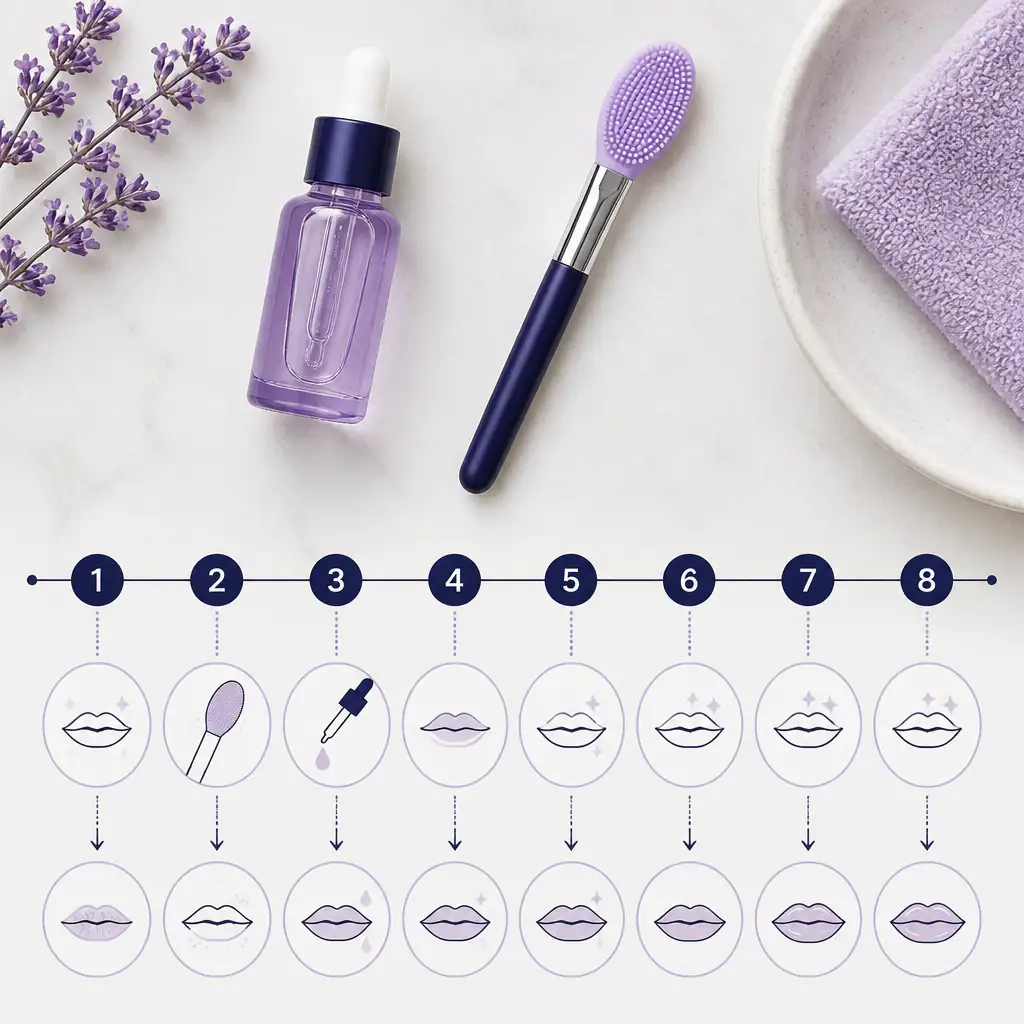
- Exfoliate first. Gently exfoliating the lips one to two times per week removes dead skin cells that can impede ingredient absorption. A soft toothbrush or a sugar-based lip scrub works well.
- Apply to clean, slightly damp skin. Damp skin may improve absorption of water-soluble ingredients. Apply the volufiline product before any occlusive balm or gloss.
- Use the stated amount. More product doesn’t speed up results. Most serums recommend a pea-sized amount applied to both lips.
- Apply twice daily. Morning and evening applications align with most clinical protocols. Consistency across the full eight to twelve weeks matters more than intensity.
- Don’t cover immediately with an occlusive. If you’re applying a serum, give it five to ten minutes to absorb before layering anything on top.
- Photograph your starting point. Take a well-lit, neutral-expression photo before you start. This gives you an objective reference point when evaluating results at weeks four and eight.
If you want a broader baseline assessment of your facial features before starting any improvement protocol, tools like Aura can give you an objective analysis of facial proportions, including lip fullness relative to other features, which helps you set realistic and personalized goals.
Volufiline vs. Other Topical Lip Plumpers
Volufiline sits in a different category from most lip plumping products on the market. Understanding the distinction helps you set the right expectations.
| Ingredient | Mechanism | Speed | Duration of Effect |
|---|---|---|---|
| Volufiline | Adipocyte stimulation | Slow (weeks) | Persistent with use |
| Hyaluronic acid (topical) | Surface hydration | Immediate | Short-term |
| Capsaicin or cinnamon | Irritation and blood flow | Immediate | 1 to 2 hours |
| Peptides (e.g., Volulip) | Collagen and elastin signaling | Moderate (weeks) | Gradual |
| Hyaluronic acid (injectable) | Physical tissue expansion | Immediate | 6 to 18 months |
For users who want a visible difference for a single evening, a capsaicin or cinnamon-based gloss is more appropriate. For users willing to invest eight to twelve weeks for a subtle but potentially lasting change, volufiline is worth a trial. Neither replaces injectable treatments if significant volume restoration is the goal.
Who Is a Good Candidate for Volufiline Lip Treatments
Volufiline-based products tend to suit a specific type of user.
Good fit:
- People who want mild, natural-looking enhancement without injectables
- Those with naturally thin lips seeking subtle improvement
- Users comfortable with a gradual timeline and modest results
- People who have had filler and want to maintain volume between appointments
Less ideal fit:
- Anyone expecting results comparable to hyaluronic acid filler
- People with very low baseline lip volume looking for significant change
- Individuals with a history of skin sensitivity (check the full ingredient list, as volufiline products often contain additional actives)
If you’re unsure where your lip volume sits relative to balanced facial proportions, an AI-based facial analysis from Aura can help you see your lips in the context of your full facial structure before deciding on any treatment approach.
Practical Tips for Tracking Your Own Results
- Take photos every two weeks under the same lighting, at the same distance, with a neutral expression and lips relaxed
- Note your exact application routine in a simple log (time of day, amount used, any skipped days)
- Evaluate at the eight-week mark before deciding whether to continue or switch products
- Pair volufiline with a basic lip care routine (SPF lip balm during the day, an occlusive like petroleum jelly at night) to support overall lip health
- Avoid comparing your results to social media before and afters that don’t disclose full protocols
Patience is not a limitation of volufiline; it’s a feature. Gradual change tends to look more natural and integrates better with your existing features than rapid plumping.
Frequently asked questions
How long does volufiline take to work on lips? +
Most users who see results report noticing a subtle change between weeks six and eight of consistent twice-daily use. The first two to four weeks typically show no visible difference, as the ingredient works at the cellular level rather than producing surface-level swelling.
Is volufiline safe for daily lip use? +
Volufiline is generally considered well-tolerated in cosmetic formulations, and most products use concentrations between 3% and 5%. That said, the full ingredient list of any product matters, and you should patch-test before full application. Talk to a dermatologist if you have sensitive skin or underlying conditions.
Can volufiline replace lip filler? +
No. Volufiline may produce a mild, gradual increase in lip fullness for some users, but the effect is considerably more subtle than injectable hyaluronic acid filler. It's better viewed as a maintenance or enhancement tool rather than an alternative to clinical procedures.
What concentration of volufiline should I look for in a lip product? +
The manufacturer's own studies used a 3% concentration. Many effective products on the market fall in the 3% to 5% range. Products that don't disclose their volufiline concentration may contain amounts too small to produce the mechanism the ingredient is known for.