 Aura: Looksmaxxing
 Minoxidil Eyebrows Before and After: What to Expect
Curious about minoxidil for eyebrows? See real before and after results, how to apply it safely, and what the research actually says.
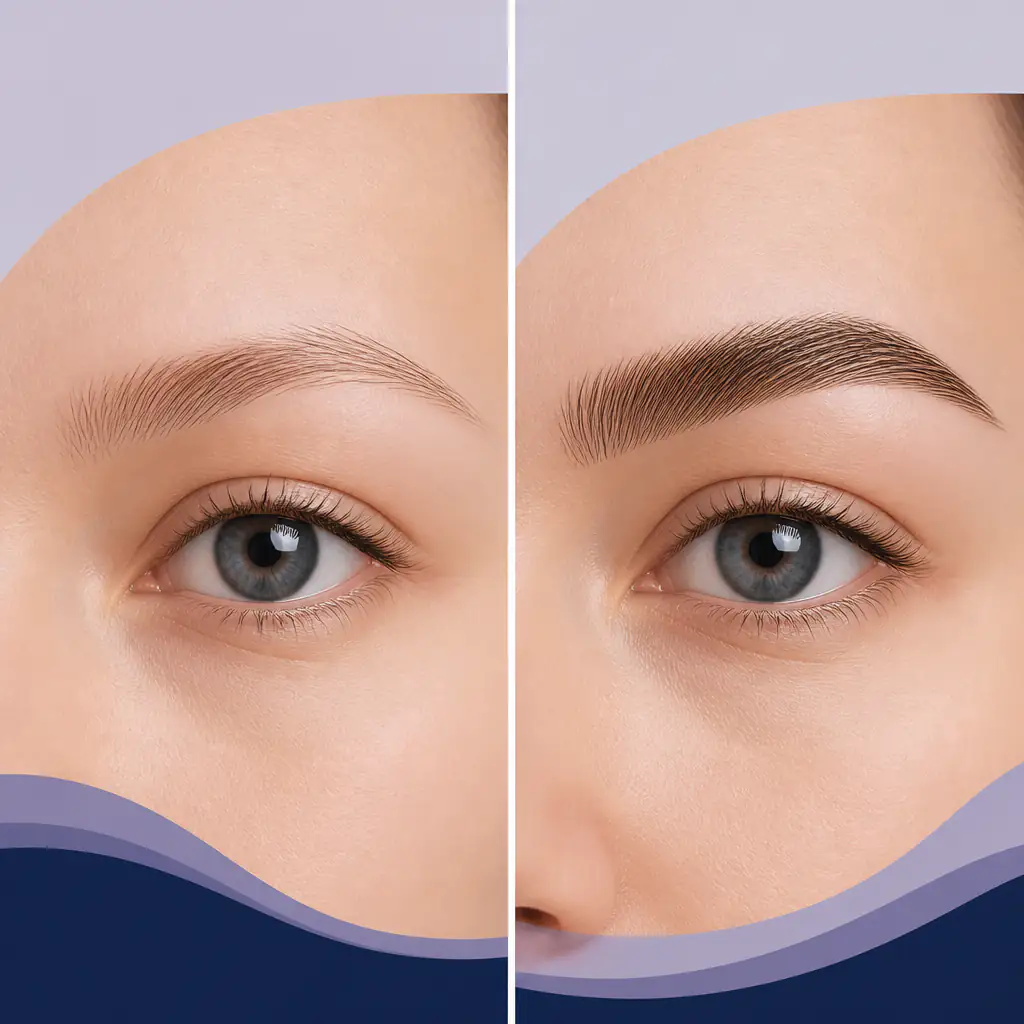
Thick, well-defined eyebrows frame the face and contribute significantly to overall facial harmony. If yours are sparse from over-plucking, genetics, or a medical condition, you may have come across minoxidil as a potential fix. The before and after photos circulating online range from subtle to striking, which raises a fair question: does it actually work, and is it worth trying?
This article breaks down the science, the realistic outcomes, the application process, and the risks, so you can make an informed decision rather than a hopeful one.
What Is Minoxidil and How Does It Work on Eyebrows?
Minoxidil is a vasodilator, meaning it widens blood vessels. Originally developed as an oral medication for high blood pressure, researchers noticed that patients taking it often experienced significant hair growth as a side effect. That observation led to the topical formulations (2% and 5% solutions and foams) now widely used for scalp hair loss.
When applied topically, minoxidil is thought to work through a few mechanisms:
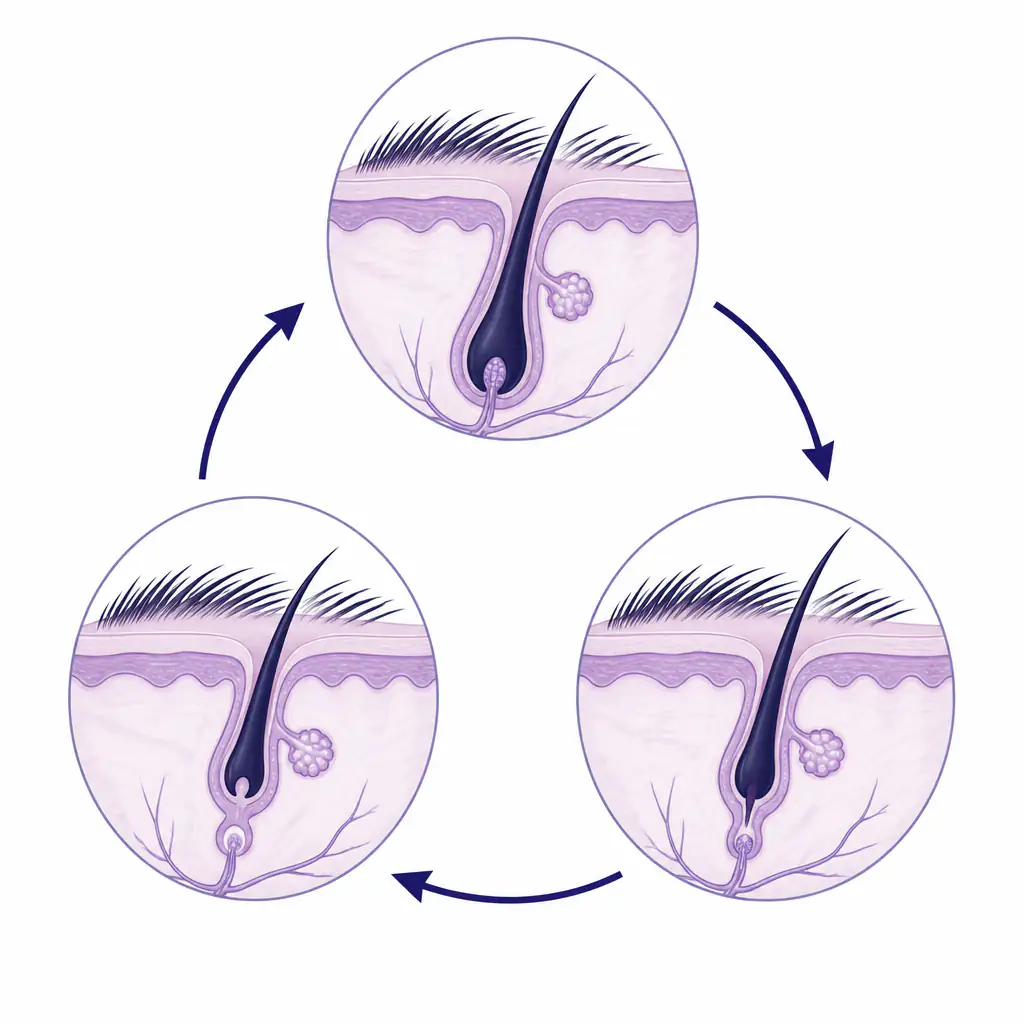
- Prolonging the anagen phase: Hair grows in cycles. Anagen is the active growth phase. Minoxidil may extend how long follicles stay in this phase.
- Increasing follicle size: Some research suggests it can enlarge miniaturized follicles, producing thicker, more visible hairs.
- Stimulating blood flow: Better circulation around follicles may improve nutrient delivery.
The eyebrow follicles respond to these same mechanisms. The hair cycle in eyebrows is shorter than on the scalp (around four months versus several years), which means results may appear faster but also plateau sooner.
Important disclaimer: Minoxidil is not FDA-approved specifically for eyebrow use. Applying it off-label carries risks. Talk to a qualified dermatologist or physician before considering this treatment.
What Do Minoxidil Eyebrow Before and After Results Actually Look Like?
Being realistic here matters. The results vary considerably depending on the individual, the baseline density of the brows, and whether hair loss was caused by genetics, traction, or an underlying condition.
Typical progression timeline
- Weeks 1 to 4: Little to no visible change. Some users report mild shedding early on, which is a normal part of the follicle reset process.
- Months 1 to 2: Faint vellus hairs (fine, colorless hairs) may start appearing in sparse areas.
- Months 3 to 4: Vellus hairs may begin converting to terminal hairs (darker, thicker, more visible).
- Months 4 to 6: The most noticeable improvements tend to appear in this window for consistent users.
- 6 months and beyond: Continued gradual improvement, though many people reach a plateau.
Who tends to see better results?
People with sparse brows from over-plucking or gradual thinning tend to respond better than those with permanent follicle damage. If follicles have been completely destroyed (from deep scarring, for example), minoxidil cannot regrow hair where no follicle exists.
What the photos don’t show
Before and after photos shared online are self-selected. People who see dramatic results are more likely to post. Those who see minimal change typically don’t. This survivorship bias makes average results look better than they are in reality. Some users report modest filling of gaps; others see very little difference after six months of consistent use.
How to Apply Minoxidil to Eyebrows
If you’ve consulted a professional and decided to proceed, application technique matters for both efficacy and safety.
What concentration to use
Most dermatologists who recommend this off-label approach suggest starting with 2% minoxidil solution rather than the 5% foam or solution used on the scalp. The eyebrow area is closer to the eyes and other facial skin, and the lower concentration reduces the risk of irritation and unwanted facial hair growth (more on that below).
Step-by-step application
- Start with clean, dry skin. Residual oils or makeup can interfere with absorption.
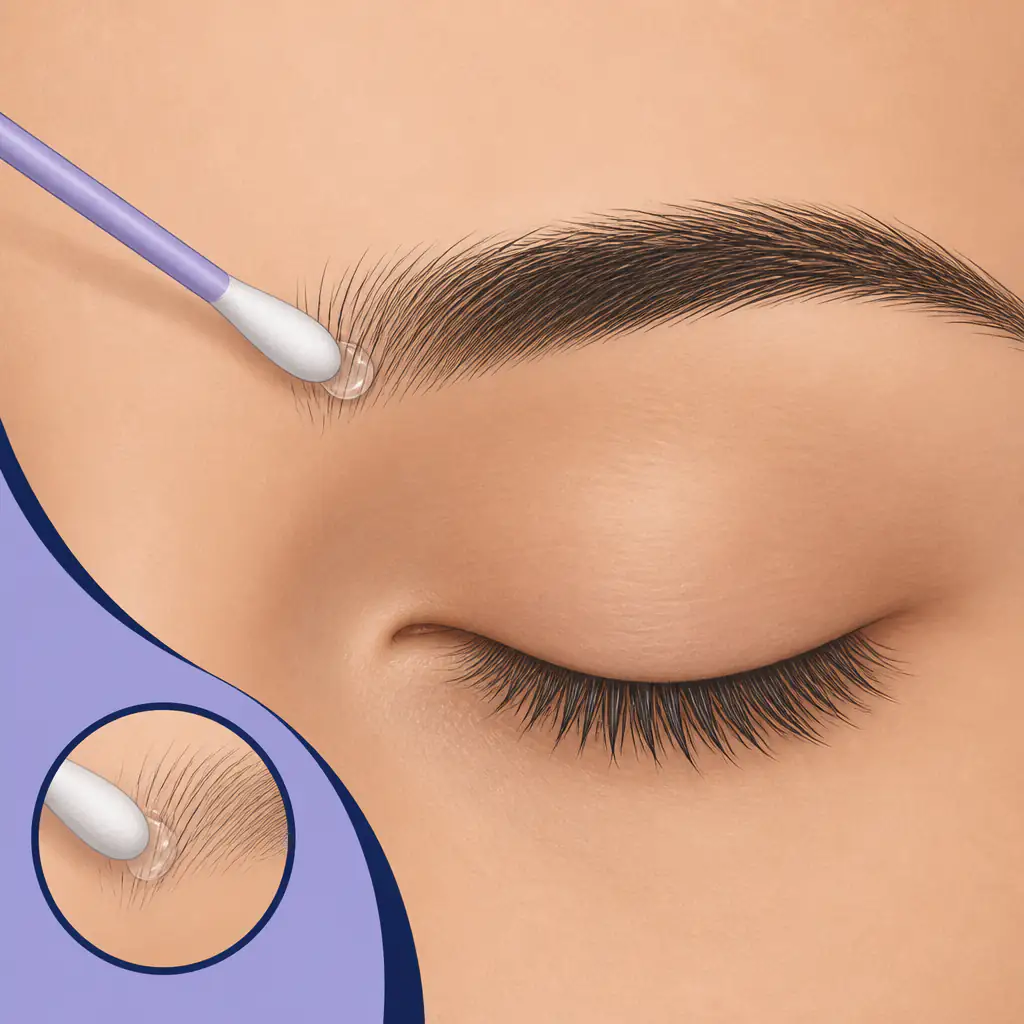
- Use a small amount. A drop roughly the size of a pencil eraser tip per brow is sufficient. More is not better here.
- Apply with a fingertip or cotton swab. A cotton swab gives more precise control and keeps product off surrounding skin.
- Work it into the brow. Gently pat or stroke in the direction of hair growth.
- Wash your hands immediately. Minoxidil absorbed through the palms can cause unwanted hair growth elsewhere.
- Apply once daily, usually at night, to reduce irritation risk from sun exposure.
- Allow it to dry fully before touching your face or going to sleep.
Consistency is non-negotiable
Skipping applications regularly will stall progress. If you stop using minoxidil entirely, the hairs it helped produce will typically shed within a few months, as the follicles revert to their previous cycle. This is one of the most important things to understand before starting: it’s a long-term commitment, not a one-time fix.
Potential Side Effects and Risks
Minoxidil is not risk-free, particularly when used on the face.
- Unwanted facial hair growth (hypertrichosis): This is the most commonly reported side effect. If the product migrates beyond the brow area, it can stimulate hair growth on the forehead, temples, or cheeks.
- Skin irritation: Redness, itching, or dryness at the application site.
- Eye irritation: Proximity to the eyes increases the chance of accidental contact, which can cause stinging or redness.
- Systemic absorption: Though unlikely with small topical amounts, minoxidil can theoretically be absorbed into the bloodstream and cause cardiovascular effects, including dizziness or low blood pressure. People with heart conditions should be especially cautious.
- Contact dermatitis: Some individuals are sensitive to propylene glycol, a common carrier in minoxidil solutions.
If you experience significant irritation, swelling, or any cardiovascular symptoms, stop use and consult a doctor promptly.
How Eyebrow Density Affects Overall Facial Aesthetics
Understanding why eyebrows matter in the first place can help you decide whether pursuing treatment is worthwhile for your specific situation.
Eyebrows are one of the most important features for facial recognition and expression. From an aesthetics standpoint, they contribute to:
- Frame and definition: They create contrast that defines the upper face.
- Hunter eye appearance: Well-groomed, slightly thicker brows can contribute to a more defined brow ridge appearance, which is associated with a stronger periorbital structure.
- Facial symmetry: Uneven brow density draws the eye to asymmetry.
If you’re trying to assess where your eyebrows fall within your overall facial picture, tools like Aura can give you an objective baseline. The app analyzes facial features including brow structure, periorbital region, and overall harmony, so you know which areas are genuinely affecting your appearance before investing time and effort into a treatment.
Minoxidil vs. Other Eyebrow Growth Options
Minoxidil is not the only option for sparse brows. Here’s a practical comparison:
| Option | Mechanism | Permanence | Risk Level |
|---|---|---|---|
| Minoxidil (topical) | Extends anagen phase, enlarges follicles | Results reverse if stopped | Moderate (off-label use) |
| Bimatoprost (prescription) | Prostaglandin analog, extends growth phase | Results reverse if stopped | Moderate (prescription only) |
| Microblading | Cosmetic tattooing, no actual growth | Semi-permanent (1 to 3 years) | Low to moderate |
| Eyebrow transplant | Surgical follicle relocation | Permanent | High (surgical) |
| Castor oil / serums | Unproven, mostly anecdotal | N/A | Very low |
Minoxidil sits in a middle ground: more evidence behind it than castor oil, less invasive than surgery, but requiring ongoing commitment and carrying real side effect risks.
Practical Tips for Getting the Best Results
If you move forward with minoxidil for eyebrows, these habits will give you the best chance at meaningful improvement:
- Photograph your brows under consistent lighting every two weeks. Progress is slow and easy to miss without documentation.
- Avoid tweezing or waxing during the treatment period. Trauma to the follicles may counteract the growth stimulus.
- Keep the skin around your brows moisturized. Minoxidil can dry out surrounding skin; a gentle, fragrance-free moisturizer applied away from the brow application zone helps.
- Be patient through early shedding. The initial shed is temporary and expected. Many people quit during this phase, assuming the treatment isn’t working.
- Track the full six months before evaluating. Judging results at two months is premature for most people.
For a broader look at which facial features to prioritize improving, an AI-based face analysis through Aura can help you build a realistic, prioritized improvement plan rather than guessing which changes will have the most impact.
Final Thoughts
Minoxidil for eyebrow growth is a plausible, moderately evidence-backed option for people with thinning or sparse brows. The before and after results some users experience are real, but they are not universal, and the commitment required is significant. Managing expectations, using the correct concentration, applying carefully to avoid product migration, and consulting a dermatologist first are all non-negotiable steps.
If you’re approaching this as part of a broader effort to improve your appearance, make sure you’re starting from an accurate picture of where you actually stand. Targeted, informed improvements tend to produce far better outcomes than trial-and-error attempts with products you’re not sure you even need.
Frequently asked questions
How long does it take to see results from minoxidil on eyebrows? +
Most users who respond to minoxidil begin to notice visible changes between months three and six of consistent daily use. Early results are often fine vellus hairs that gradually thicken into more visible terminal hairs. Evaluating before six months of consistent use is generally premature.
What concentration of minoxidil is recommended for eyebrows? +
Many dermatologists suggest starting with a 2% minoxidil solution rather than the 5% concentration used for scalp applications. The lower concentration reduces the risk of skin irritation and unwanted hair growth on surrounding facial skin. Always confirm the appropriate concentration with a qualified professional.
Will eyebrow hair fall out if I stop using minoxidil? +
Yes, in most cases. Minoxidil does not permanently alter follicle behavior. Once you stop using it, the hairs it helped stimulate typically shed within a few months as follicles return to their prior growth cycle. This makes it an ongoing maintenance treatment rather than a one-time solution.
Can minoxidil cause hair to grow in unwanted areas around the eyebrows? +
This is one of the most commonly reported side effects. If minoxidil migrates beyond the brow area onto the forehead, temples, or upper cheeks, it can stimulate hair growth in those areas. Using a precise applicator like a cotton swab and washing hands immediately after application helps minimize this risk.