 Aura: Looksmaxxing
 Minoxidil on Eyelashes: Does It Actually Work?
Curious about using minoxidil on eyelashes? Learn how it works, what the research says, risks to know, and how to apply it safely.
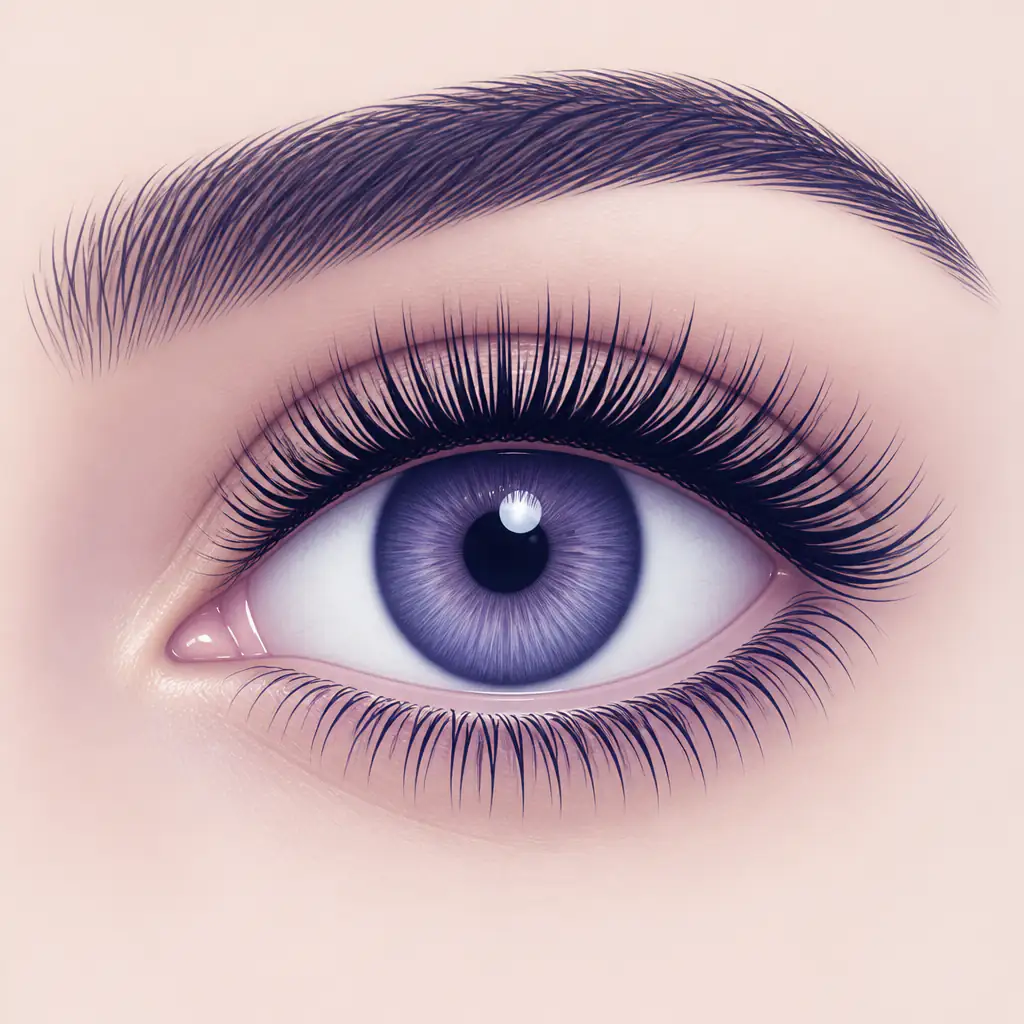
Thick, dense eyelashes frame the eyes and contribute more to facial attractiveness than most people realize. They increase the contrast between the iris and the surrounding skin, make eyes appear larger, and draw attention to one of the most evaluated features on a human face. So it makes sense that people looking to optimize their appearance are asking whether minoxidil, a well-established hair-growth compound, can be applied to the lash line to get the same kind of results it produces on the scalp.
The short answer: it may work, but the situation is more complicated than applying a dropper to your brows and waiting. Here is everything you need to know before trying it.
What Is Minoxidil and How Does It Work?
Minoxidil was originally developed as an oral medication for high blood pressure. During clinical trials, researchers noticed a consistent side effect: unexpected hair growth. That observation eventually led to the topical formulations now sold over the counter for scalp hair loss.
At the follicular level, minoxidil is thought to work through a few mechanisms:
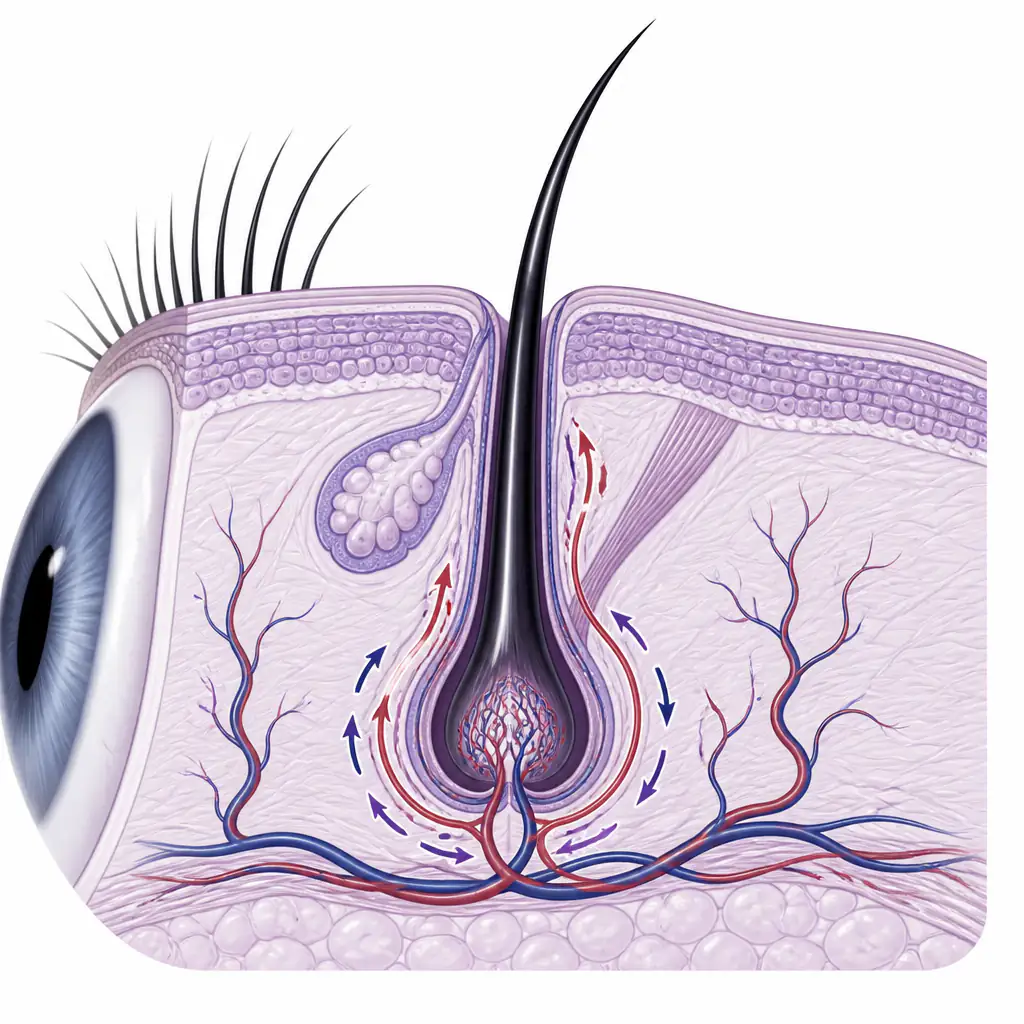
- Vasodilation around the follicle. Minoxidil opens potassium channels in smooth muscle cells, widening blood vessels and increasing blood flow to hair follicles. Better circulation means more oxygen and nutrients delivered to actively growing hair.
- Prolonging the anagen phase. Hair grows in cycles: anagen (growth), catagen (transition), and telogen (shedding). Minoxidil appears to extend the anagen phase, keeping more follicles in active growth for longer.
- Potentially stimulating follicle size. Some research suggests minoxidil may increase the diameter of the hair shaft itself, producing visually thicker strands over time.
These mechanisms apply to follicles broadly, not just on the scalp. That is the biological rationale behind applying it to eyelashes.
What Does the Research Say About Minoxidil on Eyelashes?
The evidence base here is smaller than for scalp application, but it is not nonexistent. The most referenced clinical context is a condition called madarosis, which refers to loss of eyelashes or eyebrows due to medical conditions, chemotherapy, alopecia areata, or other causes.
Several small studies and case reports have examined topical minoxidil applied to the lash line in patients with madarosis, and results have generally been positive. Patients showed measurable regrowth of lashes compared to baseline in most cases, with improvements typically visible within eight to sixteen weeks.
For people without a medical condition causing lash loss, the picture is less clear. There is no large randomized controlled trial specifically studying minoxidil as a cosmetic lash enhancer in people with otherwise normal lash density. What exists is a collection of dermatology case reports, smaller observational studies, and a significant volume of anecdotal reports from people who have tried it.
Some users report noticeable increases in lash length and fullness. Others report minimal change. The variation likely comes down to individual differences in follicle sensitivity, baseline lash cycle timing, the concentration of minoxidil used, and consistency of application.
It is also worth noting that bimatoprost (the active ingredient in Latisse) is the only FDA-approved topical treatment specifically for eyelash growth. Minoxidil is used off-label for this purpose, which means it has not gone through the same regulatory review process for this specific application.
Minoxidil Concentrations: Which Strength Is Used?
On the scalp, minoxidil is typically sold in 2% and 5% concentrations, with 5% being more effective but also associated with more side effects. For eyelash use, most dermatologists who discuss this off-label application lean toward lower concentrations, often 2% or even custom-compounded lower percentages.
The reasoning is straightforward: the eyelid skin is among the thinnest and most sensitive skin on the body. Systemic absorption through this area can be higher relative to scalp application, and the proximity to the eye itself raises safety concerns that do not apply when you are applying the compound to your head.
Higher concentrations are not necessarily better here. More is not more when it comes to sensitive periorbital tissue.
Real Risks You Should Not Ignore
This is where honest information matters most. Using minoxidil on eyelashes carries risks that are worth taking seriously.
Eye Irritation and Conjunctivitis
Minoxidil getting into the eye itself can cause significant irritation, redness, and conjunctivitis. Given that you are applying the product millimeters from the eye, the risk of inadvertent contact is real, especially with liquid formulations.
Periorbital Hypertrichosis
This is a well-documented side effect: hypertrichosis means excess hair growth, and when minoxidil is applied around the eye area, it can cause unwanted hair to grow on the eyelid skin, cheekbone area, or other surrounding tissue. This is the same phenomenon seen in some women who apply minoxidil to their scalp and notice fine hair growing on the forehead near the hairline.
Skin Irritation and Contact Dermatitis
Propylene glycol, the carrier used in many liquid minoxidil formulations, is a known irritant for sensitive skin. The eyelid skin is likely to react more strongly than the scalp. Foam formulations may be less irritating in this regard, though applying foam near the eye requires care.
Systemic Absorption
Because eyelid skin is thin and highly vascular, there is a meaningful risk of higher systemic absorption compared to scalp use. Systemic minoxidil can affect blood pressure and heart rate. If you are applying small amounts, the risk is generally considered low, but it is not zero, particularly for people with cardiovascular conditions.
Darkening of Periorbital Skin
Some users report increased pigmentation around the eyes with prolonged use, similar to a side effect observed with bimatoprost and other prostaglandin-class compounds. Whether this happens with minoxidil specifically is less documented, but it has been noted anecdotally.
Talk to a qualified dermatologist or ophthalmologist before considering minoxidil on your eyelashes. This is especially important if you have any history of eye conditions, skin sensitivity, or cardiovascular issues.
How People Apply It: Practical Approach
For those who proceed after consulting a professional, here is how the application is typically described:
- Start with a clean face. Remove any makeup or residue from the lash line area before applying.
- Use a low concentration. Most who do this off-label use a 2% liquid solution or a diluted version. Avoid 5% near the eyes without explicit medical guidance.
- Apply with precision. A cotton swab or a thin brush applicator gives you more control than a dropper. Apply to the base of the upper lash line only. Some avoid the lower lash line entirely given proximity to the eye.
- Use sparingly. A very small amount, comparable to what you would use on an eyebrow, is enough. Excess product increases runoff risk.
- Do it at night. Applying before sleep reduces the chance of product migration from blinking or rubbing during the day.
- Keep it out of the eye. If product enters the eye, rinse thoroughly with water.
- Be consistent. Like scalp application, results, if they come, take weeks to months to appear. Stopping application typically leads to reversal of any gains within a few months.
Managing Expectations: What Results Look Like
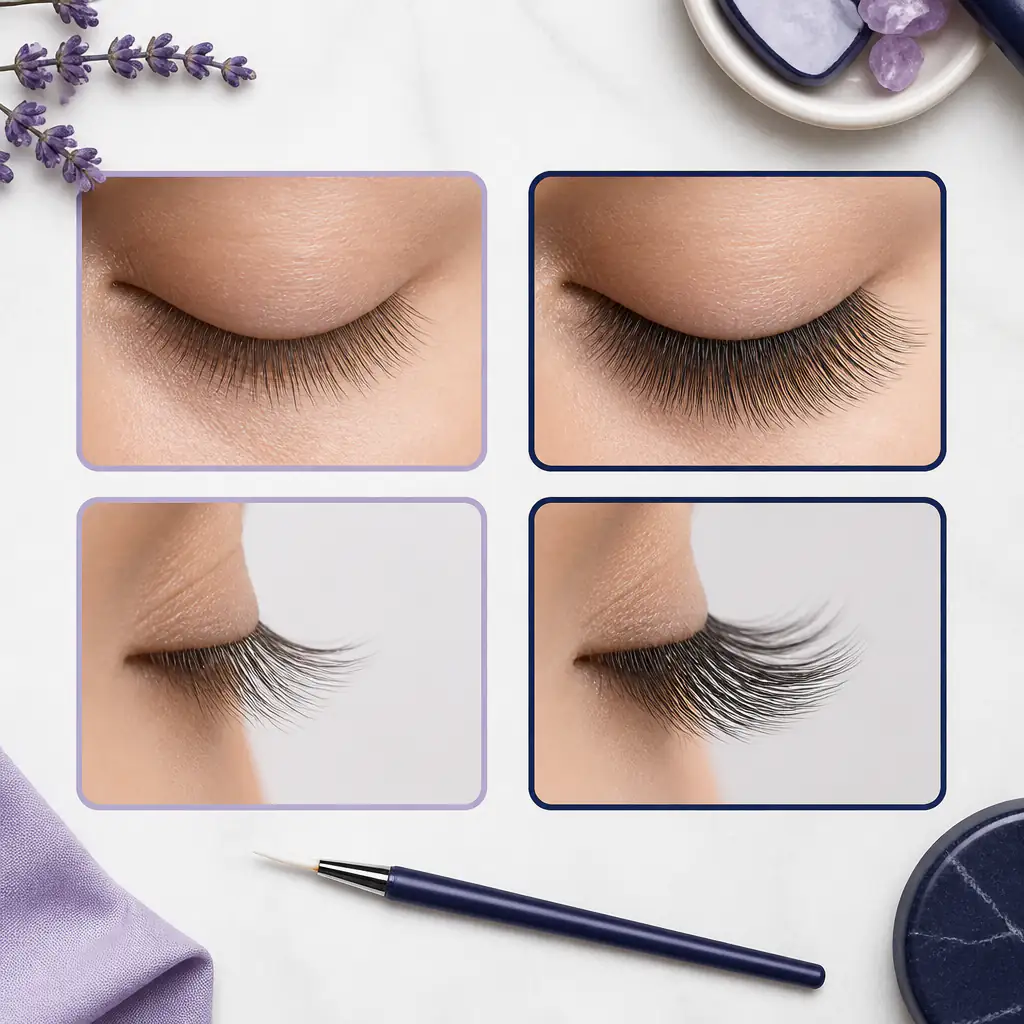
If minoxidil does work for your lash line, the changes tend to be gradual and modest rather than dramatic. Most users who see results describe:
- Lashes that appear slightly longer or extend further at the tips
- A small increase in visible density along the lash line
- Potentially thicker individual lash strands
What it will not do is fundamentally change the structure of your follicles or produce lash density that is genetically outside your range. The improvements are real in some cases, but calibrated expectations matter.
If you want an objective look at your facial features before experimenting with any enhancement approach, Aura can give you a structured baseline assessment of your eye area and overall facial harmony. Understanding what you are working with makes it easier to set realistic targets.
Minoxidil vs. Latisse for Eyelash Growth
It is worth comparing these two directly since they are the most discussed options.
| Feature | Minoxidil (topical) | Bimatoprost / Latisse |
|---|---|---|
| FDA approval for lashes | No (off-label) | Yes |
| Primary mechanism | Vasodilation, anagen prolongation | Prostaglandin analog, extends anagen |
| Availability | OTC (for scalp use) | Prescription required |
| Cost | Low | Higher |
| Risk of iris darkening | Low / unclear | Documented risk with prolonged use |
| Risk of periorbital fat loss | Not established | Documented with prostaglandins |
| Evidence base for lashes | Small studies, case reports | Larger clinical trials |
Neither option is without trade-offs. Latisse has stronger clinical backing for lash growth specifically, but it also carries documented risks including prostaglandin-associated periorbitopathy (a deepening of the orbital area and loss of periorbital fat with long-term use) that some users find aesthetically counterproductive. Minoxidil does not carry that specific risk, but its evidence base for lash use is thinner.
Building a Smarter Approach to Eye Area Optimization
Eyelash density is one piece of the eye area picture. The overall attractiveness of the eye region also involves factors like canthal tilt (the angle of the outer corner relative to the inner corner), scleral show (how much white of the eye is visible), orbital bone structure, and the depth of the upper eyelid sulcus.
Some of these are fixed without intervention. Others respond to sleep, hydration, fat loss, or skincare. Understanding which factors are actually limiting your eye area aesthetics is more useful than experimenting broadly.
Aura analyzes eye-area geometry specifically, including hunter-eye detection and overall periorbital scoring, which can help you identify where your eye area actually stands and what is realistically addressable without medical procedures.
Practical Tips for Safer Use
- Do a patch test first. Apply a small amount to the inner wrist or behind the ear and wait 24 hours before bringing it near your eyes.
- Store properly. Keep minoxidil away from heat and direct sunlight, and check expiration dates.
- Track your baseline. Photograph your lashes under consistent lighting before starting so you can objectively evaluate any change.
- Do not use on irritated or broken skin. Absorption increases significantly through compromised skin, raising systemic exposure.
- If you experience redness, swelling, or vision changes, stop immediately and consult a doctor.
FAQ
Does minoxidil work on eyelashes? Some research and anecdotal evidence suggest it may promote lash growth, particularly in people with lash loss due to medical conditions. Results vary between individuals, and the evidence for cosmetic use in people with normal lash density is limited.
Is it safe to put minoxidil near your eyes? It carries real risks including eye irritation, contact dermatitis, and periorbital hypertrichosis. Proximity to the eye means a higher chance of direct contact with the product. Always consult a dermatologist or ophthalmologist before trying this.
How long does it take to see results? If results occur, most people report noticing changes between eight and sixteen weeks of consistent use. Hair cycles mean progress is slow, and stopping use typically reverses any gains within several months.
What concentration of minoxidil should be used on eyelashes? Most who approach this off-label use 2% liquid formulations rather than 5%, given the sensitivity of eyelid skin and the proximity to the eye. A healthcare provider should guide concentration decisions.
Can minoxidil cause hair to grow in unwanted areas around the eyes? Yes. Periorbital hypertrichosis, meaning hair growth on the eyelid skin or surrounding areas, is a documented risk. Precise application and minimal quantities reduce but do not eliminate this risk.
Frequently asked questions
Does minoxidil work on eyelashes? +
Some research and anecdotal evidence suggest it may promote lash growth, particularly in people with lash loss due to medical conditions. Results vary between individuals, and the evidence for cosmetic use in people with normal lash density is limited.
Is it safe to put minoxidil near your eyes? +
It carries real risks including eye irritation, contact dermatitis, and periorbital hypertrichosis. Proximity to the eye means a higher chance of direct contact with the product. Always consult a dermatologist or ophthalmologist before trying this.
How long does it take to see results on eyelashes? +
If results occur, most people report noticing changes between eight and sixteen weeks of consistent use. Hair cycles mean progress is slow, and stopping use typically reverses any gains within several months.
Can minoxidil cause hair to grow in unwanted areas around the eyes? +
Yes. Periorbital hypertrichosis, meaning hair growth on the eyelid skin or surrounding areas, is a documented risk. Precise application and minimal product quantities reduce but do not eliminate this possibility.