 Aura: Looksmaxxing
 Looksmax Women: The Complete Guide
A practical guide to looksmaxxing for women covering skincare, facial structure, body composition, and habits that genuinely move the needle.
Most content about looksmaxxing is written for men. The terminology, the frameworks, even the metrics tend to center male facial aesthetics. But the underlying logic applies equally to women: understand your starting point, identify what is actually movable, and work those levers systematically.
This guide is for the looksmaxing woman who wants specific, actionable information rather than vague wellness advice. Whether you are starting from scratch or refining an already-solid routine, the goal is the same: close the gap between where you are and your genetic ceiling.
What Looksmaxxing Actually Means for Women
Looksmaxxing is the deliberate, structured effort to optimize your physical appearance. For women, this includes soft-max strategies (skincare, hair, makeup, posture, body composition) and hard-max strategies (cosmetic procedures, orthodontics, more structural interventions).
The distinction matters because soft-max changes are accessible, reversible, and compound over time. Hard-max changes carry real cost, risk, and permanence. Most women will see substantial results staying entirely within soft-max territory, especially if they have not yet optimized the basics.
Looksmaxxing women tend to focus on:
- Skin quality (texture, clarity, luminosity)
- Facial fat distribution and definition
- Hair health and framing
- Body composition and posture
- Makeup as a strategic tool, not just decoration
Know Your Baseline Before You Start
One of the most common mistakes is jumping into routines without an honest assessment of where you actually stand. Subjective self-evaluation is unreliable. You see your face every day, which makes it hard to notice incremental changes or identify genuine weak points.
Before building a plan, get an objective read on your facial structure. Tools like Aura analyze your facial features using AI, scoring things like jawline definition, eye area characteristics (including hunter-eye vs. prey-eye axis tilt), facial symmetry, and overall harmony. This gives you a data-driven starting point so you are not guessing.
Knowing your actual weak points means you can prioritize. If your skin is already strong but your brow area is underdeveloped, you do not need a 12-step skincare routine as step one.
Skincare: The Foundation of Soft-Maxing
Skin quality is one of the highest-leverage variables in female aesthetics. Unlike bone structure, skin responds quickly to the right inputs. Research suggests consistent skincare can visibly reduce signs of aging, hyperpigmentation, and textural irregularities within weeks to months.
The Core Protocol
A functional looksmaxxing skincare routine does not need to be complicated. The evidence-backed essentials are:
- Daily SPF (minimum SPF 30, broad-spectrum). UV exposure is the primary driver of photoaging. No other product compensates for skipping this.
- Retinoids (retinol or prescription tretinoin). Retinoids increase cell turnover, stimulate collagen production, and reduce fine lines over time. Start low and slow to minimize irritation. Talk to a dermatologist before starting prescription-strength tretinoin.
- Vitamin C serum (L-ascorbic acid, ideally 10-20%). Antioxidant protection and brightening. Apply in the morning under SPF.
- Moisturizer with ceramides or hyaluronic acid. Barrier support reduces transepidermal water loss, which keeps skin looking plump and clear.
- Gentle, non-stripping cleanser. Over-cleansing damages the skin barrier and creates the very problems you are trying to fix.
Optional additions with reasonable evidence: niacinamide for pore appearance and redness, AHAs (glycolic or lactic acid) for exfoliation, and peptides for skin firmness.
What to Cut
Many women over-complicate their routines with products that either cancel each other out or do little measurable good. Physical scrubs, alcohol-heavy toners, and fragrance-heavy products are worth cutting if you are experiencing irritation, breakouts, or sensitization.
Facial Structure and the “True Stacy” Framework
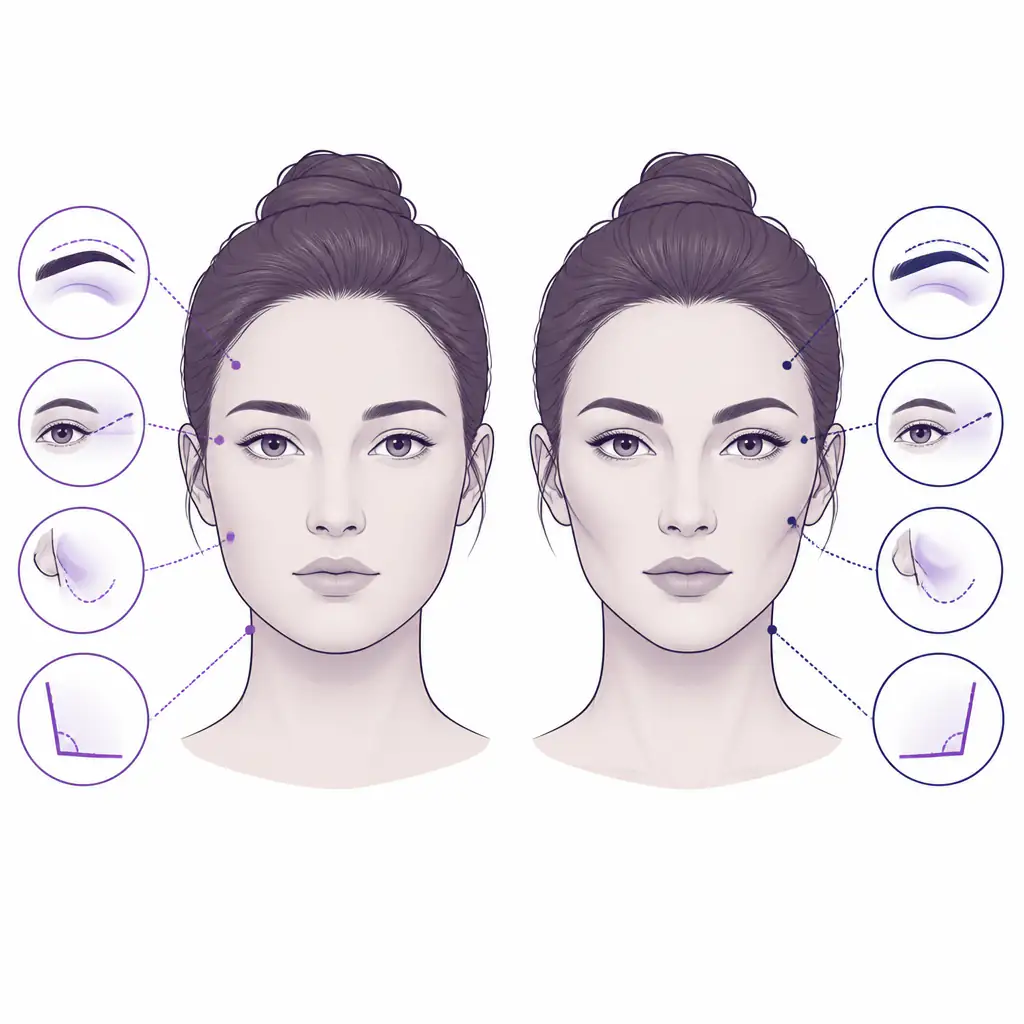
Within looksmaxxing communities, the term true stacy looksmax refers to achieving the upper tier of female attractiveness through structural optimization, not just cosmetics. The traits associated with a stacy looksmax aesthetic include:
- High, defined cheekbones (malar prominence)
- A well-defined jawline and chin
- Forward-grown midface (positive canthal tilt is often cited here)
- Large, almond-shaped eyes with a neutral to positive tilt
- A straight or slightly upturned nasal tip
- Full lips with a defined Cupid’s bow
Some of these traits are genuinely structural. Others can be approximated through non-surgical means, sometimes convincingly so.
What You Can Actually Influence Without Surgery
Mewing and tongue posture. Mewing refers to resting the tongue flat against the palate, which proponents argue may support forward facial growth over time. The evidence in adults is limited and mostly anecdotal. It is unlikely to produce dramatic changes in adult women, but correct tongue posture does support nasal breathing and may help with jaw tension.
Facial fat. Overall body fat percentage influences how defined your facial features appear. Dropping from 28% to 22% body fat, for example, typically makes cheekbones, jawline, and eye area more prominent without any procedure. This is one of the most underrated levers in female looksmaxxing.
Buccal fat. This is a distinct fat pad in the lower cheek area. It does not reduce with diet alone, which is why surgical buccal fat removal has become popular. This is a procedure with permanent, sometimes unpredictable results. Consult a board-certified plastic surgeon before considering it.
Jawline definition through gum chewing and masseter development. Hard chewing (mastic gum, for example) may develop the masseter muscle over time. The effect is modest and takes months, but some users report more visible jaw definition. Note that significant masseter hypertrophy can actually widen the lower face, which may or may not suit your facial shape.
Hair: Framing and Signal
Hair is one of the fastest-impact variables in female aesthetics because it directly frames the face and carries strong health signals. In evolutionary biology, hair quality is read as a proxy for hormonal health and genetic fitness.
Key principles for looksmaxing women regarding hair:
- Find a haircut that suits your face shape. Oval faces are the most versatile. Heart-shaped faces benefit from volume at the jaw. Round faces benefit from length and layers that elongate. Square faces soften with waves and side parts.
- Prioritize health over length. Thin, damaged long hair reads worse than shorter, healthy hair.
- Scalp health matters. Seborrheic dermatitis, dandruff, and excessive shedding all affect appearance. A dermatologist can address these if standard shampoos are not working.
- Color can help or hurt. Warm highlights near the face tend to be flattering. Harsh, flat all-over color often looks less natural. Research suggests men and observers rate lighter, luminous hair color as slightly more attractive on average, though this varies considerably by skin tone.
Body Composition and Posture
A woman’s body composition affects facial aesthetics (as noted above), overall silhouette, and the baseline impression she projects before anyone processes finer details.
For female looksmaxxing, the relevant targets are roughly:
- Body fat percentage: The 18-24% range tends to produce the most aesthetically valued combination of definition and femininity for most women. Going significantly below 18% can reduce breast volume and facial fullness in ways that may not serve aesthetic goals.
- Muscle tone: Resistance training builds a more defined silhouette. Glute, shoulder, and upper back development are particularly high-leverage for the female figure. The goal is not bulk but shape.
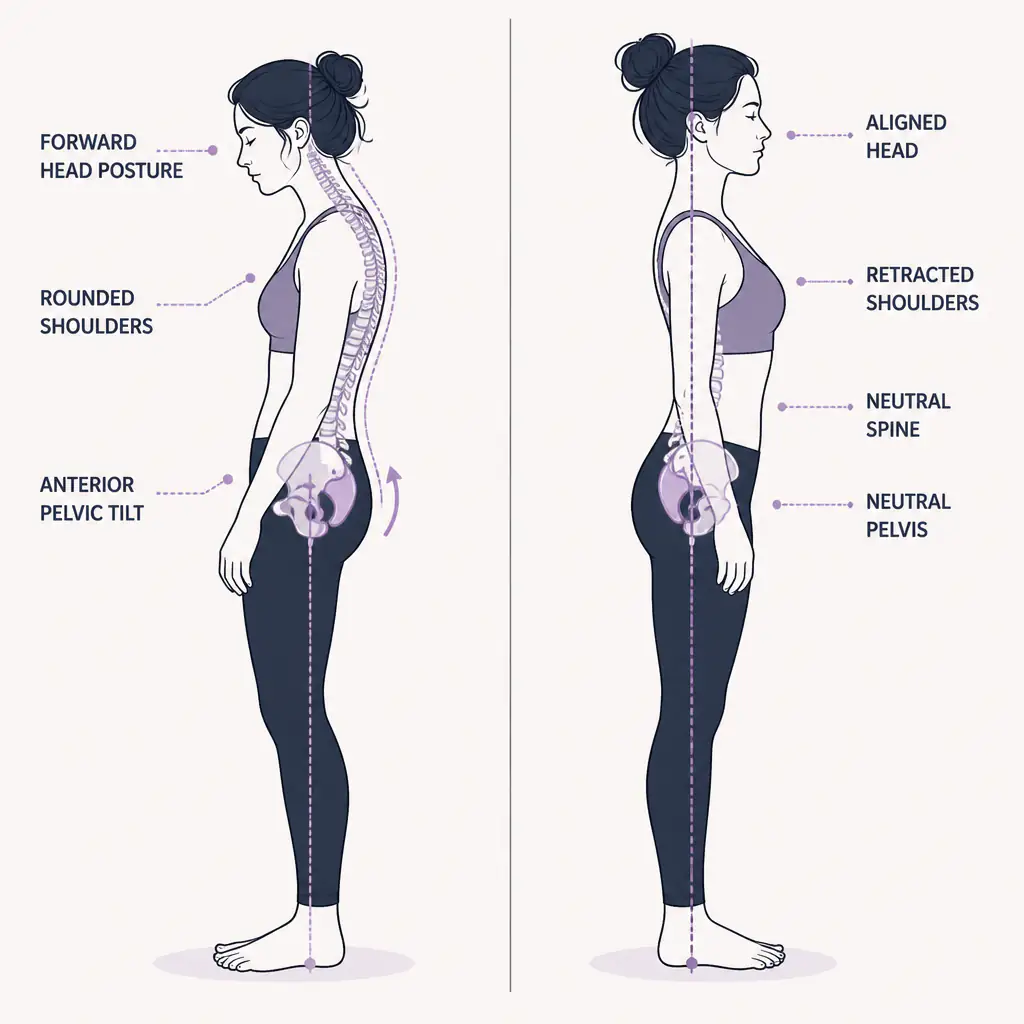
- Posture: Forward head posture and anterior pelvic tilt are extremely common and visibly detract from appearance. Correcting them through targeted mobility work and strengthening (hip flexor stretching, glute activation, thoracic extension work) makes an immediate visible difference.
Makeup as a Looksmaxxing Tool
Makeup deserves its own section because it is genuinely one of the most effective soft-max tools available, yet it is often used in ways that work against the user.
The looksmaxxing approach to makeup is strategic, not decorative. The goal is to approximate the traits associated with high facial attractiveness, not simply to apply product.
High-Leverage Makeup Techniques
- Contour and highlight to sculpt the face. A well-placed contour under the cheekbones, along the jaw, and on the sides of the nose can approximate the structural features that looksmaxxing targets. Done subtly, this is nearly undetectable.
- Brow shaping for frame. Brows are the frame of the eye area. Slightly lifted, well-groomed brows with a defined arch give the illusion of a more positive canthal tilt and larger eyes.
- Lash lifting or curling. Opens the eye area significantly. Mascara applied with a focus on the outer lashes creates the appearance of almond-shaped, slightly upturned eyes.
- Lip liner slightly outside the natural border. Adds the appearance of fuller lips without filler. Use a shade close to your natural lip color for a natural result.
- Blush placement. High placement on the cheekbone (rather than the apple of the cheek) creates the illusion of lift and higher malar bones.
What to Avoid
Heavy, full-coverage foundation applied thickly tends to flatten the face and age the skin in photos and in person. Skin-first makeup (tinted moisturizer, skin tint, or light foundation with strategic concealer only where needed) typically reads as more attractive and healthy.
Practical Looksmaxxing Routine: Where to Start
If you are beginning a looksmaxing women’s journey and want to prioritize effectively, here is a sequenced approach:
- Get an objective baseline. Use Aura or take a set of standardized photos (front, side, 3/4 angle, good neutral lighting) to assess your current position honestly.
- Lock in sleep and hydration. Eight hours of quality sleep and adequate water intake affect skin quality, cortisol levels, and facial puffiness more than most products.
- Build the core skincare routine. SPF, retinoid (start with OTC retinol), vitamin C, and moisturizer. Run this for 90 days before evaluating.
- Adjust body composition if needed. If you are above 25% body fat, this is likely your highest-leverage move. Combine resistance training with a moderate caloric deficit.
- Optimize hair. Get a cut suited to your face shape. Focus on health.
- Learn strategic makeup. Contour, brow shaping, and lash work are the highest-return areas.
- Address posture. Daily hip flexor and thoracic mobility work, plus consistent upper back training.
- Revisit structural options only after the above are dialed in. If, after 6-12 months of soft-maxing, you still have specific concerns that are genuinely structural, that is the time to consult professionals about non-surgical options (filler, Botox) or, rarely, surgical ones.
For any cosmetic procedures, surgical or otherwise, always consult a qualified medical professional before proceeding.
Common Mistakes Looksmaxing Women Make
- Prioritizing complex supplements over basics. Collagen peptides and biotin may help at the margins. Sleep, SPF, and diet matter more.
- Over-tweaking too fast. Starting five new skincare actives at once makes it impossible to know what is helping or causing breakouts.
- Targeting structural traits that do not suit their face. The “ideal” features discussed in looksmaxxing spaces are not universally flattering. Proportionality and harmony matter more than matching a checklist.
- Neglecting body composition while focusing on face. The face and body are read together. Gains in one area compound with gains in the other.
- Ignoring style and grooming context. Hair, skin, and makeup exist within a larger presentation. Clothing that flatters your specific proportions amplifies every other improvement.
Frequently asked questions
What is looksmaxxing for women? +
Looksmaxxing for women is the structured effort to optimize physical appearance through evidence-informed strategies. It spans soft-max approaches like skincare, body composition, hair, and makeup, through to harder interventions like cosmetic procedures. The goal is to close the gap between your current appearance and your genetic potential.
What does 'Stacy looksmax' mean? +
The term 'stacy looksmax' refers to achieving the upper tier of female attractiveness as defined within looksmaxxing frameworks. It typically describes a woman who has optimized both structural features (high cheekbones, defined jaw, positive canthal tilt) and soft traits (skin quality, hair, presentation). A 'true stacy looksmax' implies the structural baseline is naturally strong and has been further refined.
Can looksmaxxing change your bone structure without surgery? +
Soft-max techniques have limited impact on adult bone structure. Practices like mewing may support correct oral posture and nasal breathing, but evidence for meaningful structural change in adults is weak. The most effective non-surgical route to better-looking facial structure is reducing body fat to make existing bone structure more visible, and using makeup contouring to create the illusion of more definition.
How long does it take to see results from looksmaxxing? +
It depends on the strategy. Makeup changes are immediate. Skincare improvements (skin texture, clarity) are typically visible within 4 to 12 weeks of a consistent routine. Body composition changes that affect facial definition usually take 3 to 6 months of consistent effort. Structural changes, whether procedural or habit-based, take the longest and vary the most by individual.