 Aura: Looksmaxxing
 Hunter Eyes vs Prey Eyes: What's the Difference?
Learn what separates hunter eyes from prey eyes, the key anatomical traits behind each, and practical steps to improve your eye area appearance.
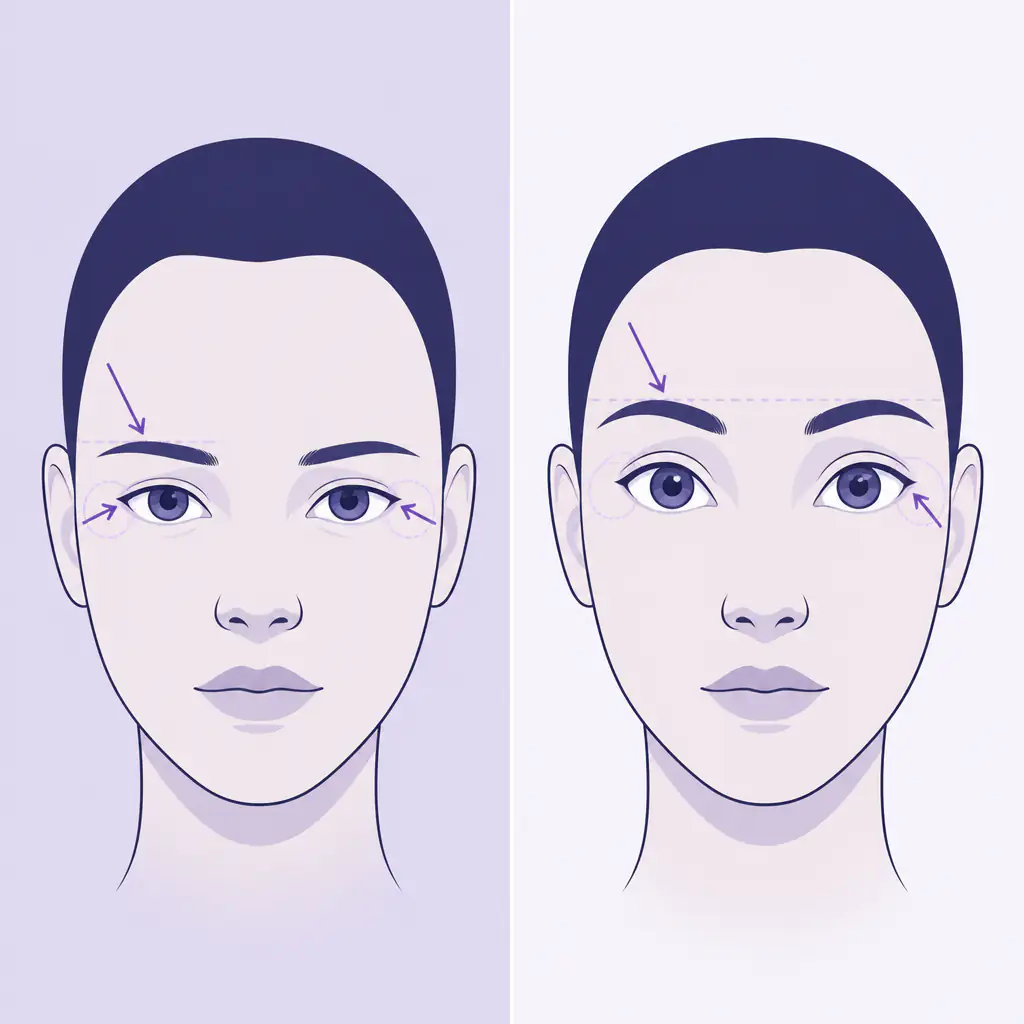
The phrase “hunter eyes vs prey eyes” gets thrown around constantly in conversations about facial aesthetics, but most explanations stop at vague descriptions like “intense” or “wide-open.” This post breaks down the actual anatomy behind both eye types, what each one signals in terms of attractiveness research, and what you can realistically do about your own eye area.
What Are Hunter Eyes?
Hunter eyes are characterized by a low, forward-positioned brow and a negative or neutral canthal tilt. Let’s unpack those terms.
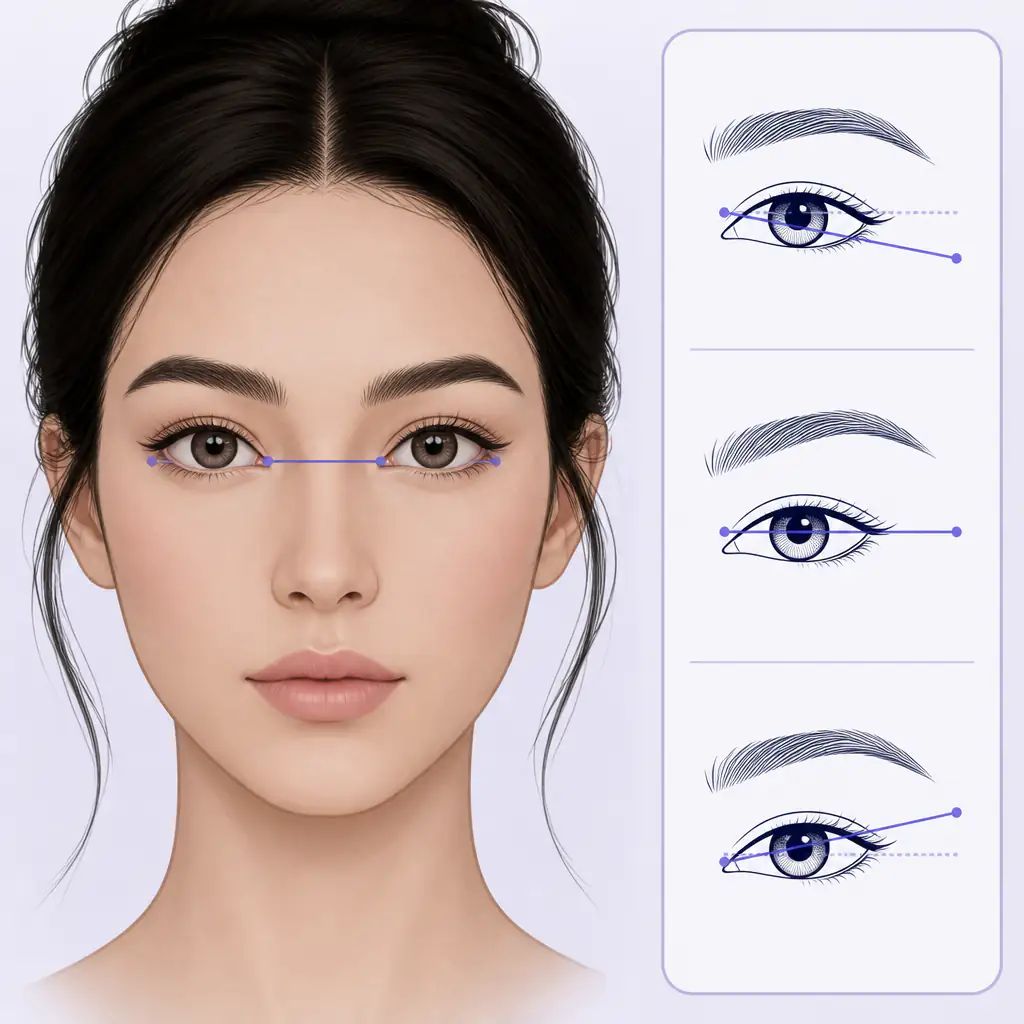
- Canthal tilt refers to the angle formed between the inner corner of the eye (medial canthus) and the outer corner (lateral canthus). In hunter eyes, the outer corner sits at the same height as or slightly lower than the inner corner, creating a level or downward-slanting line.
- Orbital rim position: Hunter eyes tend to have a prominent, forward-projecting brow ridge (the supraorbital rim), which casts a slight shadow over the upper eyelid and gives the eyes a hooded, deep-set appearance.
- Lid exposure: Because of the lower brow and the orbital structure, the visible portion of the upper sclera (the white of the eye above the iris) is minimal. The iris fills more of the visible eye area.
This combination produces a look that is often described as intense, calm, or focused. Research on facial perception suggests that deeper-set eyes with a more horizontal gaze line are associated with dominance and perceived confidence, though the social interpretation varies by context.
What Are Prey Eyes?
Prey eyes sit at the opposite end of the spectrum. The key traits are:
- Positive canthal tilt: The outer corner of the eye sits noticeably higher than the inner corner, creating an upward slant.
- High or thin brow arch: The brow sits further from the eye, leaving more lid space exposed.
- Visible upper sclera: More of the white is visible above the iris, a feature sometimes called “sanpaku” when the sclera is also visible below the iris.
- Round or almond shape with vertical openness: The eye appears larger vertically but less horizontally elongated.
Prey eyes are often perceived as more approachable, youthful, or expressive. They are common in conventionally attractive faces as well, particularly in East Asian beauty standards where large, round eyes are highly valued. The term “prey eyes” is largely a product of internet aesthetics communities and should not be read as an objective judgment of attractiveness. Context, ethnicity, and overall facial harmony all matter significantly.
Side-by-Side Comparison
| Feature | Hunter Eyes | Prey Eyes |
|---|---|---|
| Canthal tilt | Neutral or negative | Positive (upward) |
| Brow position | Low, close to eye | Higher, more arched |
| Orbital depth | Deep-set | Flatter, more prominent |
| Sclera visibility | Minimal above iris | More visible above iris |
| Perceived vibe | Intense, dominant | Approachable, expressive |
| Common association | Strong brow ridge | Wider, rounder appearance |
Neither type is universally “better.” Attractiveness research consistently points to facial harmony and symmetry as the strongest predictors of perceived attractiveness, not any single feature in isolation.
The Anatomy Behind the Difference
Understanding why these differences exist helps you think clearly about what can and cannot be changed.
Orbital Bone Structure
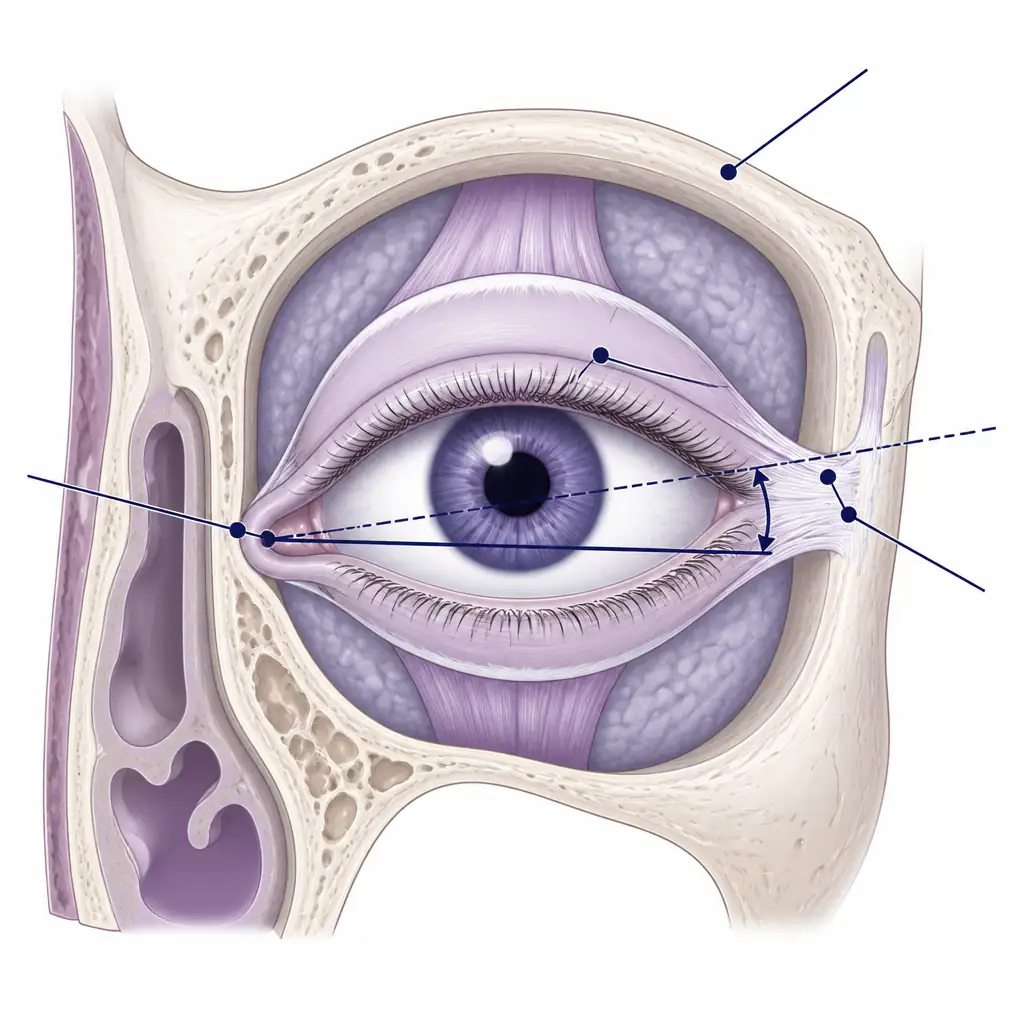
The shape of your eye socket (orbit) is largely determined by genetics and, to some extent, by childhood development patterns related to nasal breathing and diet. A more forward-projecting supraorbital rim (brow ridge) creates the shadowing effect associated with hunter eyes. This bone structure is set by early adulthood.
The Lateral Canthus
The canthal tilt is determined by the position of the lateral canthal tendon, which anchors the outer corner of the eye to the orbital bone. Its attachment point is genetic but can shift slightly with age as soft tissue loses elasticity, typically causing the tilt to become more negative over time.
Soft Tissue and Fat
Brow fat pads, periorbital fat, and skin thickness all influence how the underlying bone structure reads on the surface. Someone with a structurally prominent brow ridge may not display hunter-eye characteristics if excess soft tissue fills in the shadowing. Conversely, significant fat loss in the face can make existing bone structure more visible.
How to Objectively Assess Your Own Eye Type
Self-assessment in a mirror is unreliable. Mirrors flip your image, lighting changes everything, and most people default to their best angle unconsciously.
A more objective approach:
- Take a neutral, front-facing photo in natural light, camera at eye level, relaxed expression. No tilting the chin up or down.
- Draw a mental line from your medial canthus (inner corner) to your lateral canthus (outer corner). Does the line slope up, down, or stay level?
- Assess brow-to-eyelash distance: Measure in the photo from the center of your brow hair to your upper lash line. A shorter distance generally correlates with a lower brow.
- Check sclera exposure: Is white visible above your iris at rest? Significant upper scleral show pushes toward prey-eye territory.
If you want a data-backed analysis rather than guesswork, Aura runs AI-based measurements on your eye area, including canthal tilt angle and orbital depth estimates, and gives you a detailed breakdown alongside your overall facial rating.
What You Can Realistically Improve
This is where the conversation needs to stay grounded. Bone structure cannot be changed without surgery. But several factors that influence how your eyes read are within reach.
Brow Grooming and Position
A heavy, low brow that rests very close to the eye creates a crowding effect that can actually work against the hunter-eye look by making the eyes appear smaller rather than deep-set. Grooming the underside of the brow to create a clean arch can open the eye area strategically without raising the brow itself.
Conversely, if you want to maintain a low-brow appearance, avoid aggressive brow shaping that lifts the tail of the brow dramatically.
Body Fat Percentage
Periorbital fat (fat around the eyes) is influenced by overall body composition. Reducing body fat percentage may make the orbital rim more visually prominent and enhance the shadowing effect associated with hunter eyes. Some people also notice that water retention, often linked to high sodium intake or poor sleep, makes the eye area appear puffier.
Mewing and Oral Posture
Mewing, the practice of maintaining correct tongue posture against the roof of the mouth, is hypothesized to influence mid-face development over time, particularly in younger individuals whose bones are still more malleable. The proposed mechanism is that consistent upward tongue pressure may support the maxilla (upper jaw), which in turn could influence under-eye support. Research on this is limited and most of the evidence is anecdotal. Results, if any, take months to years and are unlikely to be dramatic in adults.
Sleep and Lifestyle
Chronic sleep deprivation causes periorbital darkening and puffiness. Getting consistent, quality sleep reduces these effects and makes existing bone structure more visible. It is one of the highest-return, lowest-cost changes available.
Cosmetic Procedures (For Reference Only)
Several cosmetic procedures are associated with altering the eye area’s appearance:
- Canthoplasty or canthopexy: Surgical repositioning of the lateral canthal tendon to change canthal tilt.
- Fox eye lift / thread lift: A non-surgical technique that pulls the outer corner upward (increasing positive tilt, which is the opposite of hunter eyes).
- Ptosis repair: Corrects drooping of the upper eyelid, which can affect how open the eye appears.
- Brow lowering surgery: Repositions the brow closer to the eye.
These are medical procedures with real risks and recovery times. Talk to a qualified medical professional before considering any of these options. This article does not constitute medical advice.
The Bigger Picture: Harmony Over Isolated Features
The hunter-eyes-vs-prey-eyes framework is a useful analytical lens, but it can become a trap if taken too literally. A face with “perfect” hunter eyes that clashes with a weak chin or poor skin quality will not read as more attractive overall. Facial aesthetics work as a system.
Focus areas that tend to have more impact on overall attractiveness than any single feature:
- Skin quality: Texture, clarity, and even tone are consistently rated as highly important in attractiveness research.
- Facial symmetry: Small asymmetries are normal and often unnoticed, but large asymmetries draw attention.
- Overall harmony: The relationship between your forehead, mid-face, and lower third matters more than any individual feature.
- Grooming: Hair, brows, and facial hair frame the face and significantly affect first impressions.
If you want to understand where your eye area fits within your overall facial profile, getting a structured assessment can help you prioritize. Aura breaks down each facial region separately so you can see which areas are already strong and which ones have more room for improvement.
Practical Steps to Take Right Now
- Photograph yourself properly: Front-facing, neutral light, relaxed face. This is your baseline.
- Assess your canthal tilt: Use the inner-to-outer corner line method described above.
- Optimize the controllables first: Sleep, hydration, body fat, and brow grooming before thinking about anything more involved.
- Be honest about goals: Are you trying to improve your overall appearance, or are you fixated on one specific feature? The former is a better use of energy.
- Research thoroughly before any procedure: If you are seriously considering a cosmetic intervention, consult at minimum two qualified practitioners and understand the risks fully.
Frequently asked questions
Can you change hunter eyes to prey eyes or vice versa naturally? +
Bone structure, which determines most of the difference, cannot be changed without surgery. However, factors like brow grooming, body fat percentage, and skin health can influence how your eye area reads. The changes achievable without procedures are modest but real.
Are hunter eyes always more attractive than prey eyes? +
No. Attractiveness research consistently shows that facial harmony and symmetry matter more than any single feature. Prey eyes are considered highly attractive in many cultural contexts, and several conventionally attractive people have positively tilted canthal angles. The preference is subjective and culturally variable.
What is canthal tilt and how do I measure mine? +
Canthal tilt is the angle between the inner corner (medial canthus) and outer corner (lateral canthus) of the eye. To estimate yours, take a neutral front-facing photo and draw an imaginary line between those two points. If the outer corner is higher, you have a positive tilt. If it is lower or level, you have a neutral or negative tilt.
Does mewing actually improve the eye area? +
The evidence is largely anecdotal. The proposed mechanism is that proper tongue posture supports the maxilla over time, which may influence under-eye support and overall mid-face structure. Any effects are likely to be gradual, subtle, and more pronounced in younger individuals whose facial bones are still developing.