 Aura: Looksmaxxing
 How to Shave Without Shaving Cream
Learn how to shave without shaving cream safely using water, oils, conditioner, and more. Practical tips to avoid irritation and get a close shave.
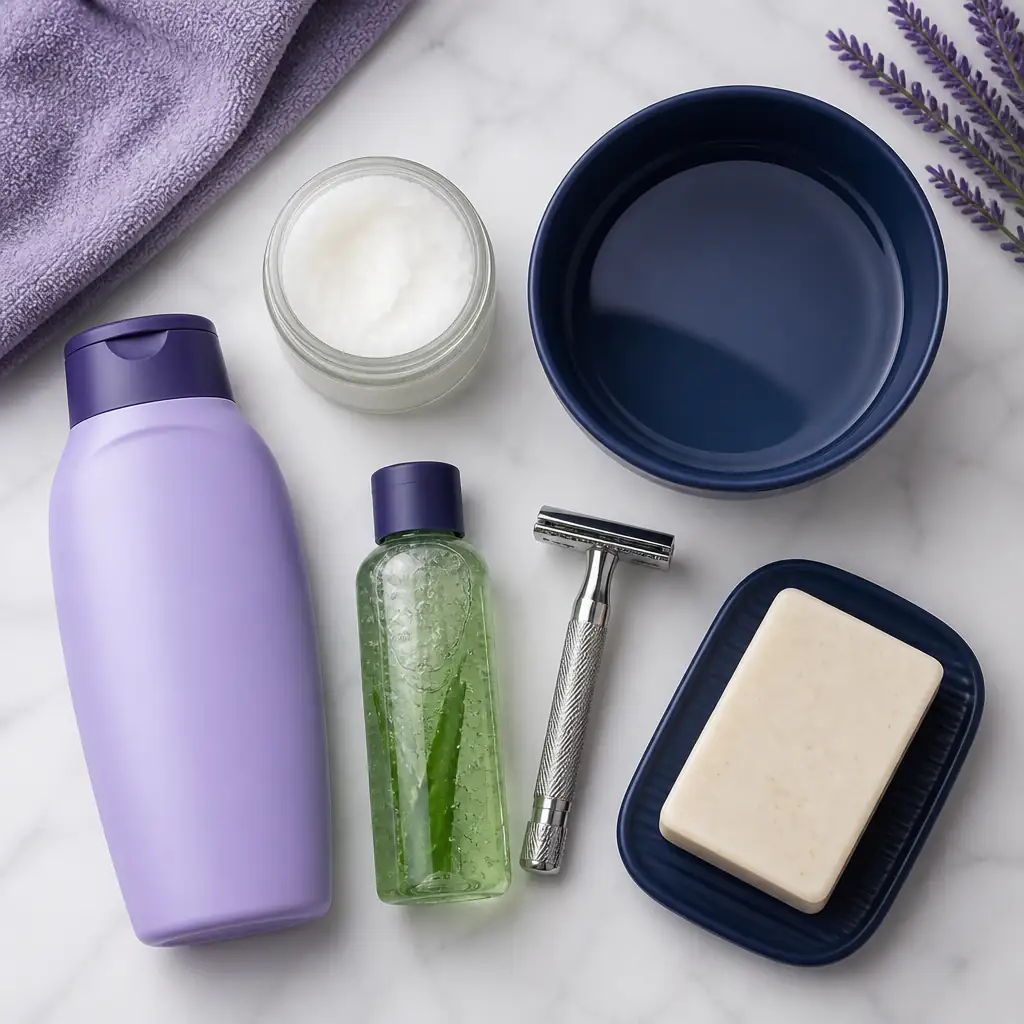
You ran out of shaving cream. Or you’re traveling light. Or you just want to know if the tube of foam you’ve been buying your whole life is actually necessary. Whatever the reason, shaving without shaving cream is absolutely doable, and in some cases it can produce a cleaner, less irritating shave than the aerosol stuff.
This guide covers the best substitutes, how to use them correctly, and how to protect your skin before and after the blade touches it. No fluff, just what actually works.
Why Shaving Cream Exists in the First Place
Before you ditch it, it helps to understand what shaving cream is actually doing. Its job comes down to three things:
- Lubrication. The blade needs to glide across skin without dragging. Drag causes razor burn, nicks, and ingrown hairs.
- Hydration. Wet, softened facial hair is easier to cut. Hair absorbs water and becomes significantly softer after two to three minutes of contact.
- Visibility. Foam or gel shows you where you’ve already shaved, reducing repeated passes over the same area.
When you shave without shaving cream, your goal is to replicate at least two of those three functions. You may sacrifice the visual guide, but lubrication and hydration are non-negotiable if you want to avoid irritation.
The Best Substitutes for Shaving Cream
Not all alternatives are equal. Some work nearly as well as the real thing. Others are fine in a pinch but not ideal for daily use. Here’s an honest breakdown.
Hair Conditioner
This is widely considered the closest functional substitute. Hair conditioner is designed to soften protein structures, and hair is made of keratin, the same protein as your beard. It provides solid slip, keeps the blade from dragging, and rinses cleanly.
Use a dime-sized amount. Apply it to wet skin, let it sit for thirty seconds, then shave. The blade will glide noticeably better than it would on dry skin. Rinse thoroughly afterward because conditioner residue can clog pores.
Coconut Oil or Olive Oil
Natural oils are excellent lubricants. They reduce friction effectively and leave skin feeling moisturized after the shave. Coconut oil has the added benefit of being antimicrobial, which may reduce the chance of post-shave breakouts.
The downside: oils can clog your razor cartridge faster than foam, so rinse the blade frequently under hot water. Also, if you’re acne-prone, some oils, particularly coconut oil, are comedogenic, meaning they may clog pores. Test on a small area first.
Body Lotion or Moisturizer
A plain, unscented moisturizer works reasonably well. Avoid anything with heavy fragrance or alcohol, since those ingredients can irritate freshly shaved skin. Apply a thin layer to damp skin and shave immediately before it absorbs fully.
Aloe Vera Gel
Pure aloe vera gel provides decent lubrication and has anti-inflammatory properties that may reduce post-shave redness. It’s particularly useful if your skin runs sensitive. Look for a product that lists aloe as the primary ingredient rather than one that’s mostly water with a splash of aloe.
Soap and Water (The Last Resort)
Bar soap or body wash in a lather is the true last resort. It provides some lubrication, but the glycerin content is usually lower than in proper shaving products or the alternatives above, and the drag on the blade is noticeably higher. If this is all you have, generate a thick lather rather than applying thin soapy water, and shave slowly.
Plain water alone is not recommended. Without any lubricating agent, the blade pulls rather than glides, which dramatically increases the risk of cuts and razor burn.
Step-by-Step: How to Shave Without Shaving Cream
The technique matters as much as the substitute you choose. Follow these steps regardless of which alternative you use.
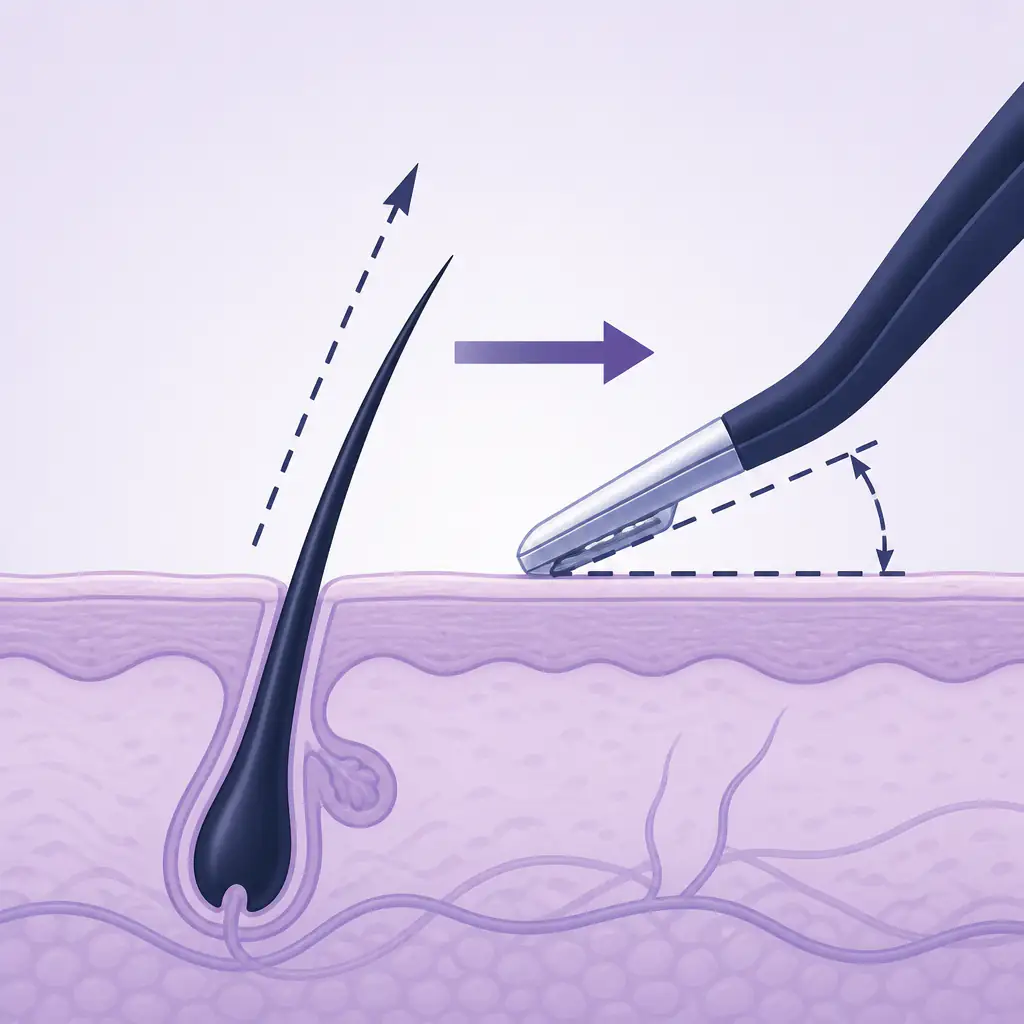
- Shower or wet your face first. Spend at least two minutes in warm water before shaving. Heat opens follicles and softens the hair shaft, making the cut cleaner and requiring less blade pressure.
- Choose your substitute and apply it to damp skin. Don’t dry your face before applying. The substitute works with moisture, not against it.
- Use a sharp, clean blade. A dull blade compensates for less lubrication by dragging harder. If your razor is older than five to seven shaves, replace the cartridge.
- Shave with the grain first. The direction your hair grows naturally varies by region of the face. On most men, it grows downward on the cheeks and upward on the neck. Going with the grain on the first pass reduces irritation significantly.
- Use short, light strokes. About two to three centimeters per stroke. Let the blade do the work. Pressing harder does not create a closer shave; it creates more razor burn.
- Rinse the blade after every two or three strokes. Especially important with oil-based substitutes.
- Re-apply your substitute for a second pass if needed. Never do a second pass on dry skin.
- Rinse with cool water. Cool water helps close the follicles after shaving. Avoid hot water immediately post-shave.
- Apply a fragrance-free moisturizer or aftershave balm. Not alcohol-based toners, which strip the skin barrier further. Look for ingredients like niacinamide, ceramides, or panthenol.
Skin Types and Which Substitutes Work Best
Your skin type genuinely affects which alternative will give you the best result.
- Oily skin: Hair conditioner or aloe vera. Avoid heavy oils that may compound congestion.
- Dry skin: Coconut oil or olive oil. The residual moisture they leave behind works in your favor.
- Sensitive skin: Aloe vera gel or a fragrance-free lotion. Avoid anything with added fragrance, dye, or alcohol.
- Combination skin: Hair conditioner is usually a safe middle-ground option.
- Acne-prone skin: Aloe vera is probably your safest bet. Test any oil on a small patch before committing to a full-face shave.
If you’ve been trying to dial in your grooming routine and want an objective look at how your skin and facial structure are responding, Aura can give you a detailed face analysis including skin quality signals and structural feedback, which is useful for calibrating which grooming habits are actually moving the needle.
Post-Shave Care When You’ve Skipped the Cream
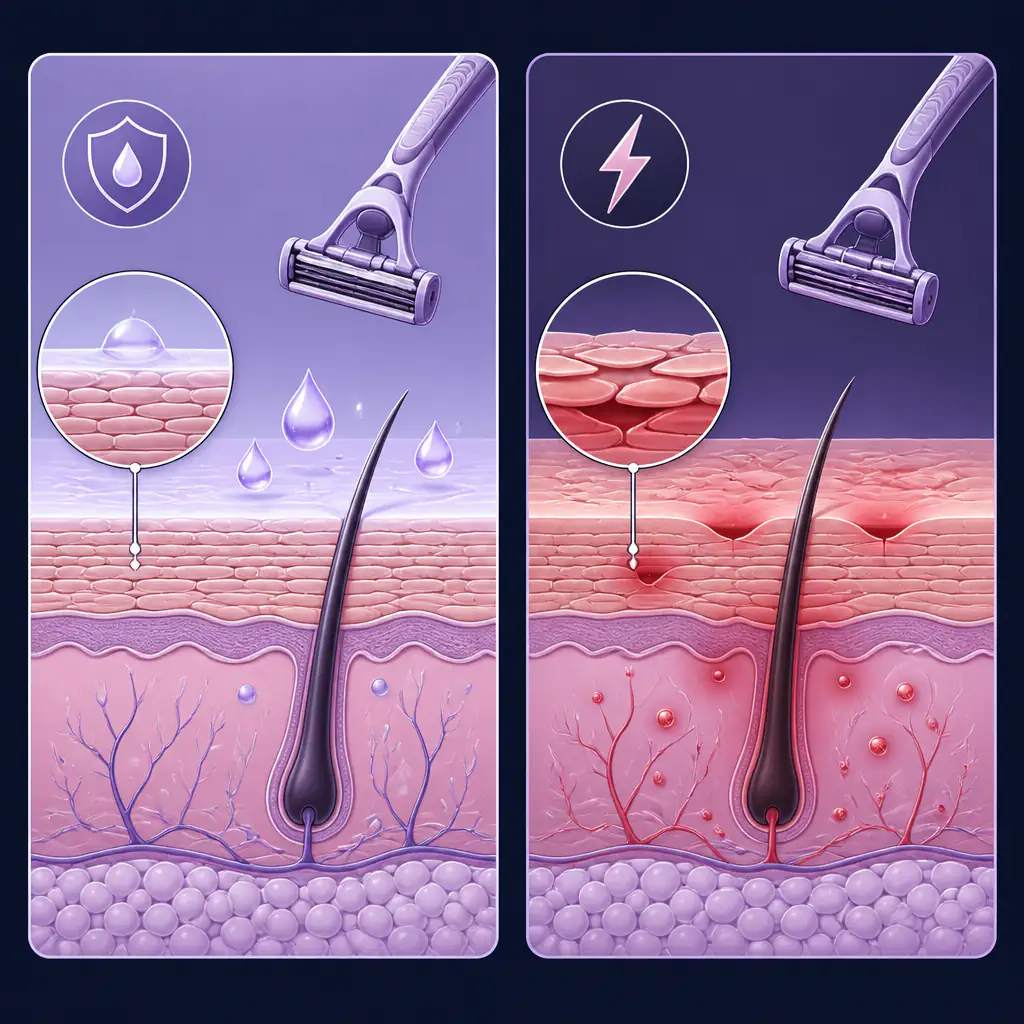
Skipping shaving cream puts more responsibility on your post-shave routine. The skin’s stratum corneum, the outermost protective layer, takes a minor hit from every shave. Here’s how to help it recover.
Immediately after shaving:
- Rinse with cool water.
- Pat dry with a clean towel. Don’t rub.
- Apply a balm or moisturizer within two to three minutes while skin is still slightly damp.
Ingredients worth looking for in a post-shave product:
- Niacinamide (vitamin B3): may help reduce redness and support barrier repair.
- Ceramides: help restore the lipid barrier that shaving disrupts.
- Panthenol (provitamin B5): draws moisture into the skin and has a mild soothing effect.
- Allantoin: commonly used to calm irritation and speed surface-cell recovery.
What to avoid:
- Aftershaves with high alcohol content as the primary active ingredient. They disinfect but also strip the skin barrier, which is already compromised post-shave.
- Heavy, occlusive creams immediately after shaving, since pores are open and more susceptible to congestion.
Common Mistakes to Avoid
Even with a good substitute in place, certain habits will undermine your shave.
Shaving dry. Even for thirty seconds, dry shaving with no lubricant will cause visible irritation in most people. There is no substitute strong enough to compensate for zero prep.
Using too much pressure. A common overcompensation when the blade feels like it’s dragging. Reduce pressure and slow down instead.
Using an old blade. Blade degradation is the single most common cause of irritation regardless of what lubricant you use. A five-dollar replacement cartridge is cheaper than treating a week of razor burn.
Skipping the post-shave step. When you shave without a purpose-built product, your skin may need more recovery support, not less. Don’t skip moisturizer on those days.
Shaving against the grain on the first pass. Against-the-grain passes produce a closer shave, but they also produce more friction and more ingrown hairs. Save it for a second pass if you need it, and only after re-applying your lubricant.
When to Reconsider Your Whole Shaving Setup
If you’re regularly improvising because you keep running out of shaving cream, it may be worth reconsidering your setup entirely. A safety razor paired with a shaving soap puck lasts significantly longer than canned foam and often performs better. A single-blade razor, used correctly, tends to produce less irritation than multi-blade cartridges for people with curly or coarse hair.
Grooming improvements like switching your razor type or refining your shaving technique are exactly the kind of incremental changes that compound over time. If you want to track how those changes affect the overall appearance of your face, including skin texture and jawline definition, Aura offers detailed facial assessments that can serve as a useful baseline and progress check.
Summary
Shaving without shaving cream is a realistic option when you use the right substitute and apply it correctly. Hair conditioner is the most practical all-purpose replacement. Natural oils work well for dry skin. Aloe vera is the best choice for sensitive or acne-prone skin. Whatever you use, the fundamentals stay the same: start with wet, warm skin, use a sharp blade, apply light pressure, and support the skin afterward with a non-irritating moisturizer.
The goal isn’t just to get through the shave without cutting yourself. It’s to maintain skin that looks and functions well over time.
Frequently asked questions
Can I shave with just water and no substitute at all? +
Shaving with plain water is technically possible but not recommended. Without any lubricating agent, the blade drags across the skin surface, significantly increasing the risk of razor burn, nicks, and ingrown hairs. Even a small amount of conditioner or oil makes a meaningful difference.
Is shaving without shaving cream worse for your skin long-term? +
Not necessarily, as long as you use an effective substitute and follow good post-shave care. The skin impact depends more on blade sharpness, technique, and moisturizing habits than on whether you use commercial shaving cream specifically. Some people find natural oil-based alternatives gentler than foam products containing fragrances or preservatives.
What is the best substitute for shaving cream for sensitive skin? +
Aloe vera gel is generally the most suitable option for sensitive skin because it provides lubrication while also having anti-inflammatory properties that may reduce post-shave redness. A fragrance-free, alcohol-free body lotion is another reasonable choice. Avoid anything with added fragrance, dye, or alcohol.
Can women use the same substitutes for leg or underarm shaving? +
Yes. Hair conditioner, coconut oil, aloe vera, and unscented lotion all work well for leg and underarm shaving. Hair conditioner in particular is a popular choice for leg shaving because of how much surface area it covers and how smoothly it rinses away. The same technique principles apply: start with warm, wet skin and use a sharp blade.