 Aura: Looksmaxxing
 How to Get Rid of Itachi Lines
Learn what Itachi lines are, why they form under the eyes, and practical ways to reduce or prevent them with skincare, habits, and more.
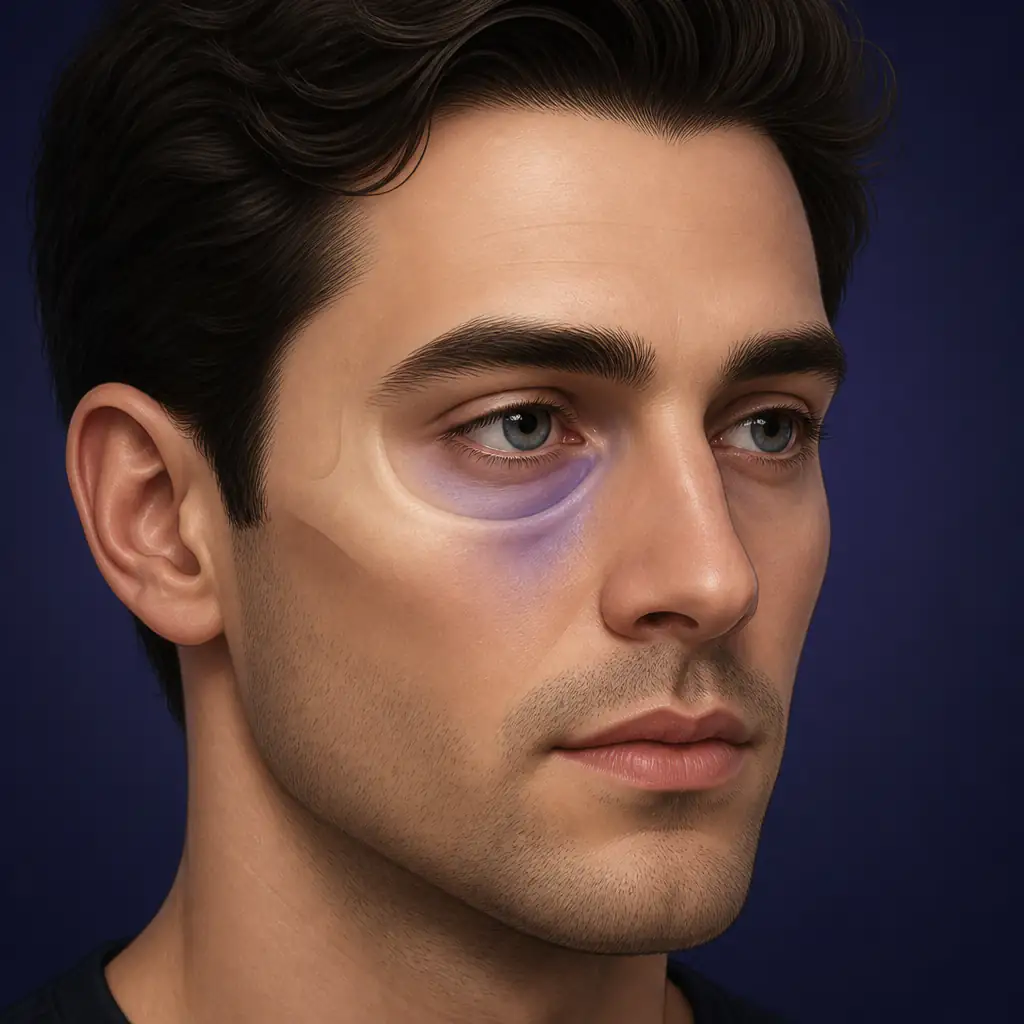
If you spend any time in appearance-focused communities, you have probably come across the term “Itachi lines.” Named after the anime character Uchiha Itachi from Naruto, who is drawn with distinctive dark, hollow troughs running from the inner corners of his eyes down toward his cheeks, these lines have become internet shorthand for a very real facial feature: infraorbital hollows combined with prominent under-eye creases or troughs.
Some people find them attractive, even striking. Others find them aging or harsh. If you fall into the second group, or if yours are more pronounced than you would like, this guide breaks down exactly what causes them and what you can realistically do about it.
What Are Itachi Lines, Exactly?
The term is loosely applied, but it typically refers to one or a combination of the following:
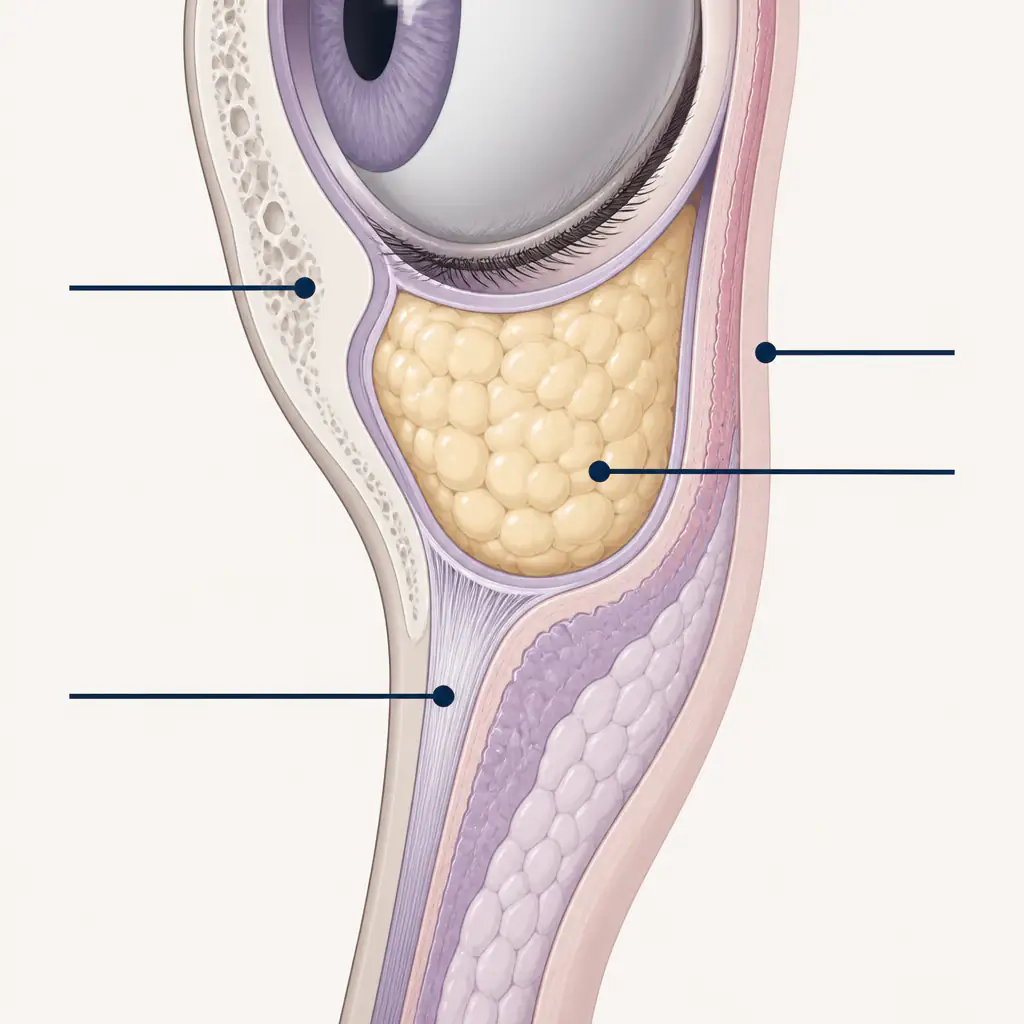
- Tear troughs: The groove that runs from the inner corner of the eye diagonally down the cheek, caused by a ligament (the orbitomalar ligament) anchoring skin to the bone beneath.
- Infraorbital hollows: Volume loss or low fat pad projection below the orbital rim, creating a shadowed, sunken look.
- Under-eye creases or nasojugal folds: Skin folds or wrinkles in the same region, often deepened by repeated facial movement, aging, or thinning skin.
These features are partially anatomical, meaning bone structure and fat distribution play a large role, and partially influenced by lifestyle, skin quality, and age.
Why Do Some People Have More Prominent Itachi Lines?
Several factors determine how noticeable these lines are:
Bone Structure and Orbital Rim Depth
If your orbital rim (the bony ridge surrounding your eye socket) is set back relative to your cheekbones, or if your midface projection is low, the under-eye area will naturally cast more shadow. This makes any hollow look deeper. It is purely structural and present from birth.
Fat Pad Position and Volume
The face has multiple fat compartments. The suborbicularis oculi fat (SOOF) and the malar fat pad sit beneath the under-eye skin. When these are thin, underprojected, or have descended due to aging, the tear trough becomes more visible. Genetics determine a lot of your baseline fat distribution here.
Skin Thickness and Collagen Density
The skin under the eye is already the thinnest on the face, averaging around 0.5 mm. Collagen loss (which begins gradually in your mid-twenties and accelerates with UV exposure) makes this skin more translucent and less capable of masking the structures below.
Lifestyle Factors
- Sleep deprivation increases periorbital puffiness and darkness, which can sharpen the contrast at the tear trough.
- High sodium intake and alcohol cause water retention in some areas and dehydration in others, both of which emphasize hollows.
- Sun exposure degrades collagen and elastin in the delicate under-eye skin faster than almost anywhere else on the face.
- Body fat percentage affects facial volume. Very low body fat can make tear troughs and infraorbital hollows significantly more pronounced.
Skincare Approaches That May Help
Skincare cannot restructure bone or relocate fat pads, but it can meaningfully improve skin quality in the under-eye area over time, which softens the appearance of these lines.
Retinoids (Retinol or Prescription Tretinoin)
Retinoids are the most evidence-backed topical ingredient for stimulating collagen production and increasing skin thickness. Applied consistently near the under-eye area, they may help reduce fine creasing and improve overall skin texture. Start with a low concentration (0.025% or a mild retinol) to avoid irritation, and only apply after your moisturizer to buffer sensitivity.
Note: Always use SPF the next morning. Retinoids increase photosensitivity.
Vitamin C Serum
L-ascorbic acid (vitamin C) supports collagen synthesis and may reduce hyperpigmentation that darkens the trough area. Look for a stable, well-formulated serum at 10 to 20% concentration. Apply in the morning before SPF.
Peptides
Ingredients like palmitoyl pentapeptide-4 (Matrixyl) and acetyl hexapeptide-3 may support collagen and elastin synthesis. The evidence is more modest than for retinoids, but they are well-tolerated and can complement a routine.
Caffeine-Based Eye Creams
Caffeine constricts blood vessels and may temporarily reduce puffiness, which in turn makes the tear trough crease look less sharp. The effect is subtle and short-term, but useful if morning puffiness is worsening your lines.
SPF, Every Single Day
This is not optional if you care about under-eye aging. UV radiation is the single biggest external accelerant of collagen degradation. A broad-spectrum SPF 30 or higher applied to the under-eye area every morning is the highest-ROI skincare habit you can build.
Lifestyle Changes With the Most Impact
Before spending money on products or procedures, audit these basics:
- Sleep on your back or elevate your head slightly. Side-sleeping compresses one side of the face consistently, and fluid pools when the head is flat.
- Reduce sodium intake. High sodium drives fluid retention in periorbital tissue. Cutting processed foods often produces a visible difference within a week.
- Cut or significantly reduce alcohol. Alcohol dehydrates skin and disrupts sleep quality, both of which worsen under-eye appearance.
- Increase overall hydration. Well-hydrated skin plumps slightly and reflects light better, softening shadows in hollows.
- Manage body fat strategically. If you are very lean, a modest increase in body fat may restore some midface volume. This depends on your genetics and goals.
- Wear polarized sunglasses outdoors. Chronic squinting recruits the orbicularis oculi muscle repeatedly, deepening dynamic lines in the area over time.
Non-Surgical Cosmetic Options
For people whose Itachi lines are primarily structural (deep tear troughs, significant volume loss), skincare and lifestyle changes will only go so far. Several non-surgical options are worth knowing about.
Hyaluronic Acid Filler (Tear Trough Filler)
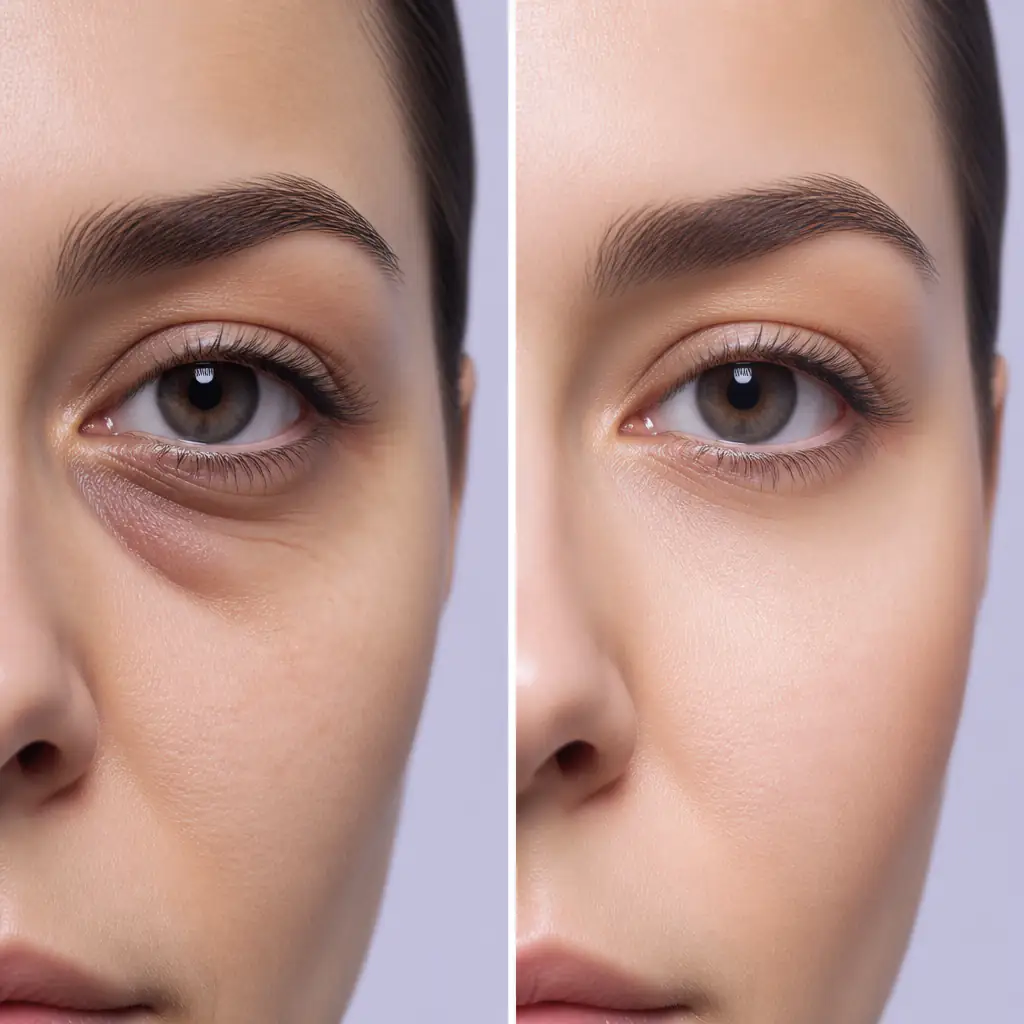
This is the most common clinical approach. A hyaluronic acid gel is injected into the tear trough region to restore volume and reduce shadowing. Results typically last 9 to 18 months. The under-eye area is one of the more technique-sensitive injection sites on the face, so provider selection matters enormously. Risks include bruising, swelling, and the Tyndall effect (a bluish discoloration if filler is placed too superficially).
Polynucleotide (PDRN) Injections
Polynucleotide injections, sometimes marketed as “skin boosters,” deliver DNA fragments that may stimulate fibroblast activity and collagen production in the skin itself. Some users report improved skin quality and reduced hollowing with a series of treatments. Research is still developing in this area.
Microneedling with or without PRP
Microneedling creates controlled micro-injuries that trigger collagen remodeling. When combined with platelet-rich plasma (PRP), it may further support tissue regeneration. Multiple sessions are typically needed, and results are gradual.
Talk to a qualified professional before considering any injectable or procedural treatment for the under-eye area. The periorbital region has a dense vascular supply and is anatomically complex.
Surgical Options (for Severe Cases)
When volume loss is significant and non-surgical options are insufficient, surgical routes exist:
- Lower blepharoplasty with fat repositioning: A surgeon repositions or redistributes existing orbital fat to fill the tear trough from below. This is more permanent than filler.
- Fat grafting (fat transfer): Fat is harvested from elsewhere on your body and injected into the midface or tear trough. Results vary depending on how much fat survives the transfer process.
- Midface lift or cheek implants: These address the structural midface projection that underlies pronounced hollowing.
Surgical outcomes depend heavily on the surgeon’s skill and your baseline anatomy. Consult with a board-certified plastic surgeon or oculoplastic surgeon before pursuing any surgical option.
Tracking Your Baseline and Progress
One underrated step before starting any improvement plan is getting an objective look at where you actually stand. It is easy to fixate on one feature in the mirror without seeing the full picture. Tools like Aura can give you a structured facial analysis, including assessments of under-eye area, midface projection, and overall facial harmony, so you have a clear baseline to measure progress against rather than relying purely on subjective self-assessment.
What You Cannot Change Without Surgery
Be realistic. The following factors will not respond meaningfully to skincare or lifestyle alone:
- Deep orbital rim recession (a structural bone issue)
- Significant hereditary infraorbital hollowing present since childhood or early adulthood
- Significant skin laxity with true excess skin in the lower lid area
Recognizing the difference between what is modifiable and what is structural helps you direct effort and money toward interventions that will actually make a difference.
Building a Practical Routine
If you want to start today, here is a simple, prioritized approach:
Morning:
- Gentle cleanser
- Vitamin C serum (applied carefully near but not directly on the lash line)
- Caffeine eye cream if morning puffiness is a factor
- Moisturizer
- Broad-spectrum SPF 30 or higher
Evening:
- Gentle cleanser
- Moisturizer as buffer
- Low-concentration retinol or retinoid near the under-eye area (start 2 to 3 nights per week)
- Peptide eye cream on off-retinoid nights
Lifestyle stack:
- 7 to 9 hours of sleep, elevated head position
- Reduced sodium and alcohol
- Consistent hydration
- Sunglasses outdoors
Give any topical routine at least 12 weeks before evaluating results. Collagen remodeling is slow.
FAQ
What exactly are Itachi lines on a real face? On a real person, Itachi lines refer to prominent tear troughs or infraorbital hollows, the grooves or shadows that run from the inner eye corner diagonally down the cheek. They are caused by a combination of bone structure, fat distribution, and skin quality.
Can you get rid of Itachi lines permanently without surgery? Permanent elimination without surgery is unlikely for structural cases. Skincare and lifestyle changes can meaningfully reduce their appearance over time, and filler offers temporary volume correction lasting roughly 9 to 18 months. Lasting structural change typically requires surgical intervention.
Are Itachi lines attractive or unattractive? This is genuinely subjective and context-dependent. Some people find them striking and associate them with an angular, defined look. Others prefer a fuller, more rested under-eye. The goal should be aligning your appearance with your own preferences, not a fixed aesthetic standard.
How long does it take to see results from skincare for under-eye lines? Topical retinoids and vitamin C require consistent use over 8 to 16 weeks before meaningful collagen improvements become visible. Caffeine-based products may reduce puffiness within hours but do not produce lasting structural change. Lifestyle adjustments like sleep and hydration can show results within days to a couple of weeks.
Frequently asked questions
What exactly are Itachi lines on a real face? +
On a real person, Itachi lines refer to prominent tear troughs or infraorbital hollows, the grooves or shadows that run from the inner eye corner diagonally down the cheek. They are caused by a combination of bone structure, fat distribution, and skin quality.
Can you get rid of Itachi lines permanently without surgery? +
Permanent elimination without surgery is unlikely for structural cases. Skincare and lifestyle changes can meaningfully reduce their appearance over time, and filler offers temporary volume correction lasting roughly 9 to 18 months. Lasting structural change typically requires surgical intervention.
Are Itachi lines attractive or unattractive? +
This is genuinely subjective and context-dependent. Some people find them striking and associate them with an angular, defined look. Others prefer a fuller, more rested under-eye. The goal should be aligning your appearance with your own preferences, not a fixed aesthetic standard.
How long does it take to see results from skincare for under-eye lines? +
Topical retinoids and vitamin C require consistent use over 8 to 16 weeks before meaningful collagen improvements become visible. Caffeine-based products may reduce puffiness within hours but do not produce lasting structural change. Lifestyle adjustments like sleep and hydration can show results within days to a couple of weeks.