 Aura: Looksmaxxing
 K Shami Debloat Powder: Does It Actually Work?
Everything you need to know about K Shami debloat powder, face bloating causes, and how to get a leaner, sharper-looking face naturally.
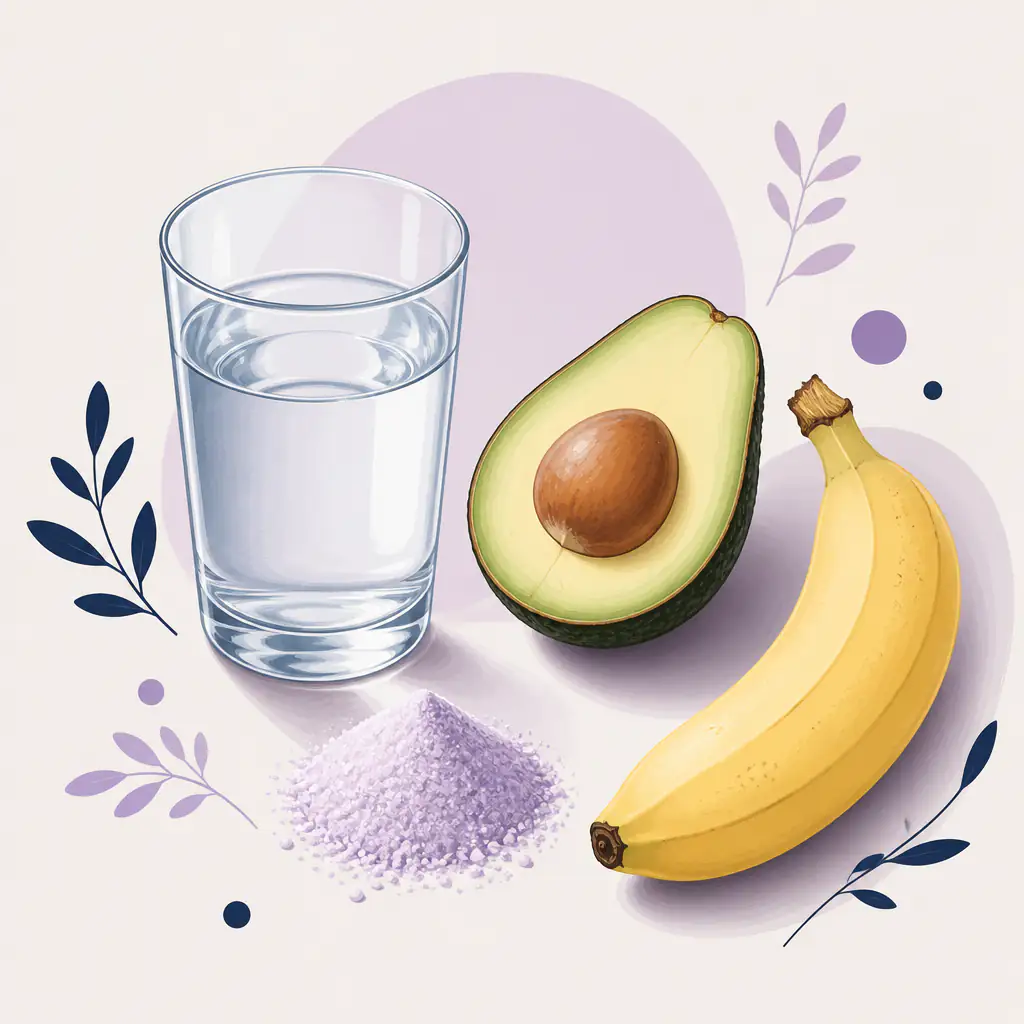
If you have spent any time researching how to get a sharper jawline or reduce facial puffiness, you have probably come across K Shami debloat powder. The product has built a strong following among people focused on facial aesthetics, and the questions around it tend to cluster into a few themes: what is actually in it, does it do anything measurable, and how does it compare to the underlying lifestyle factors that drive facial bloating in the first place.
This guide breaks all of that down. Whether you are specifically researching K Shami debloat powder or just trying to understand why your face looks puffy and what you can do about it, the information below covers the full picture.
What Is K Shami Debloat Powder?
K Shami debloat powder is a dietary supplement formulated to reduce water retention and bloating, particularly around the face and midsection. It is named after fitness influencer Khaled Shami, who popularized the concept of targeted debloating as part of a broader looksmaxxing routine.
The core mechanism is electrolyte balance. Most debloat formulas in this category contain a combination of:
- Potassium (often as potassium citrate or potassium chloride)
- Magnesium (commonly as magnesium glycinate or oxide)
- Dandelion root extract (a natural mild diuretic)
- Vitamin B6 (which research suggests plays a role in reducing water retention in some individuals)
- Sometimes taurine or L-carnitine for additional support
The logic is straightforward. Excess sodium in the body causes cells to retain water. Potassium works against sodium by helping the kidneys excrete more sodium and water through urine. When your sodium-to-potassium ratio is out of balance, the visible result is often a puffier face, especially under the eyes and along the jawline.
How Much Potassium to Debloat Face?
The general recommended daily intake for potassium in healthy adults is around 2,500 to 3,400 mg per day depending on body weight and activity level. Most people eating a Western diet fall significantly short of this. Research suggests that boosting potassium intake toward the recommended range may help reduce facial water retention, particularly in people whose diets are high in processed, sodium-heavy foods.
Debloat supplements like K Shami’s formula typically provide 200 to 500 mg of potassium per serving, which is a meaningful top-up but not a complete solution on its own. Whole food sources such as avocado, spinach, sweet potato, and white beans will always outperform a supplement for sheer potassium volume, but the supplement is convenient and pairs well with dietary adjustments.
Does Body Fat Percentage Affect Your Face?
Yes, significantly. This is the variable that most people underestimate when they focus on supplements and water retention alone.
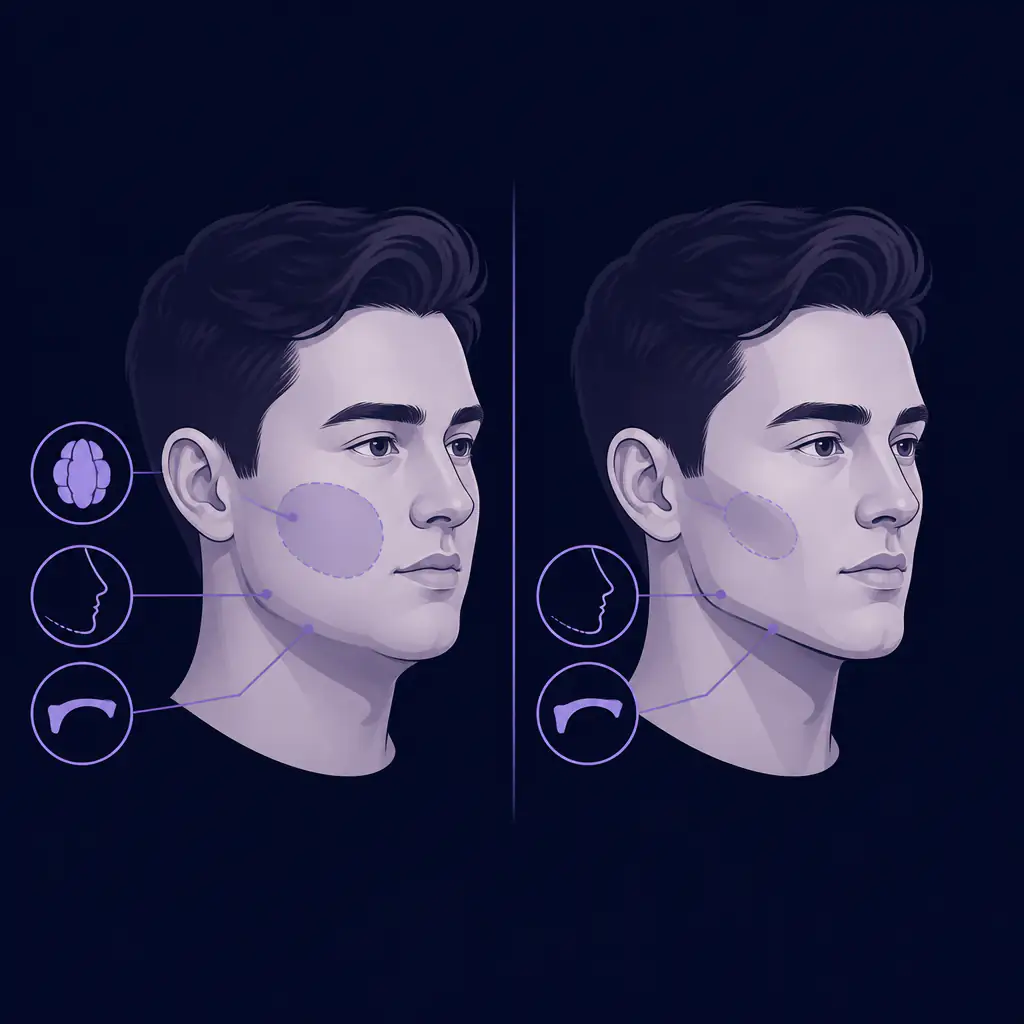
Body fat percentage and face appearance are closely linked because the face stores subcutaneous fat in specific compartments: the buccal fat pad (cheeks), submandibular fat (under the jaw), and periorbital fat (around the eyes). As overall body fat decreases, these compartments reduce in volume, which sharpens the jawline, makes cheekbones more prominent, and creates better definition under the eyes.
So what body fat percentage shows those structural features most clearly?
- 25 to 30% body fat (men) / 32 to 38% (women): Face appears soft and rounded. Definition is minimal.
- 18 to 24% (men) / 25 to 31% (women): Some definition starts to emerge. Cheekbones become slightly more visible.
- 12 to 17% (men) / 20 to 24% (women): Clear jawline definition in most people. This is also roughly where abs begin to appear in men with average fat distribution.
- Below 12% (men) / below 20% (women): Strong facial structure visible. Hollowed cheeks, sharp jaw, prominent zygomatic arch (cheekbones).
The question “what body fat percentage shows abs” and the question “what body fat percentage improves my face” have nearly the same answer because the body tends to deposit and lose fat in a relatively predictable pattern. If you are lean enough to see abs, you are almost certainly lean enough to see significant facial definition.
This is important context when evaluating any debloat supplement. If your body fat is at 25% or above, no amount of potassium or dandelion root will give you a sharp jawline. Water retention is a layer on top of structural fat, and you have to address both.
Common Causes of a Puffy or Bloated Face
Understanding what is causing facial puffiness helps you apply the right solution rather than throwing supplements at a problem they cannot solve.
Does Chewing Gum Bloat Your Face?
This is a question that circulates frequently in looksmaxxing spaces, and the answer is nuanced. Chewing gum does not cause fat gain in the face. However, does gum bloat your face in the short term? Potentially yes, through two mechanisms:
- Air swallowing (aerophagia): Repetitive chewing causes some people to swallow more air, which contributes to gastrointestinal bloating. This is a systemic effect and may slightly influence how puffy you look overall.
- Masseter hypertrophy: Long-term, heavy gum chewing (think multiple packs per day) can contribute to enlargement of the masseter muscle, which sits at the angle of the jaw and can give the lower face a wider, squarer appearance.
For occasional gum chewing, the effect on facial appearance is negligible.
Can Creatine Bloat Your Face?
Creatine is one of the most well-researched supplements in existence, and face bloating is one of the most common concerns people raise about it. Can creatine bloat your face? The short answer is yes, in some cases.
Creatine draws water into muscle cells through osmosis. This intracellular water retention is what contributes to the fuller, slightly puffier look some users notice, particularly in the first one to two weeks of loading. The effect is more pronounced during a creatine loading phase (20g per day) than during maintenance dosing (3 to 5g per day).
The good news: does creatine face bloat go away? For most people, yes. Once the body reaches creatine saturation, the acute water retention effect stabilizes and often decreases. Skipping the loading phase and going straight to a 3 to 5g daily maintenance dose reduces the initial bloat significantly.
Does Caffeine Bloat Your Face?
Caffeine is a mild diuretic, which means it generally promotes fluid excretion rather than retention. Does caffeine bloat your face? In most cases, no. However, the drinks that deliver caffeine often do. Energy drinks tend to be high in sodium. Coffee with added syrups and milk contributes calories and, in some people, dairy-related inflammation. Alcohol, which sometimes gets mixed with caffeine, is a significant contributor to facial puffiness because it causes dehydration and subsequent fluid rebound.
If you notice facial puffiness after your morning coffee routine, the culprit is more likely the additives than the caffeine itself.
What Is Carrot Max and Does It Fit Here?
You may see “carrot max” mentioned alongside debloating routines. This refers to the practice of eating large amounts of carrots (some users aim for 1 kg or more per day) as a source of beta-carotene, fiber, and natural sugar with a low calorie density. The claimed benefits include better skin tone, reduced inflammation, and a mild diuretic effect from the high water and fiber content.
Carrots are genuinely nutrient-dense and high in potassium, which aligns with the electrolyte-balance approach to debloating. However, very high beta-carotene intake can cause carotenodermia, a harmless but visible yellowing of the skin. The effect is reversible when intake normalizes.
How to Actually Use K Shami Debloat Powder Effectively
If you have decided to try K Shami debloat powder or a similar electrolyte-focused supplement, here is how to get the most out of it:
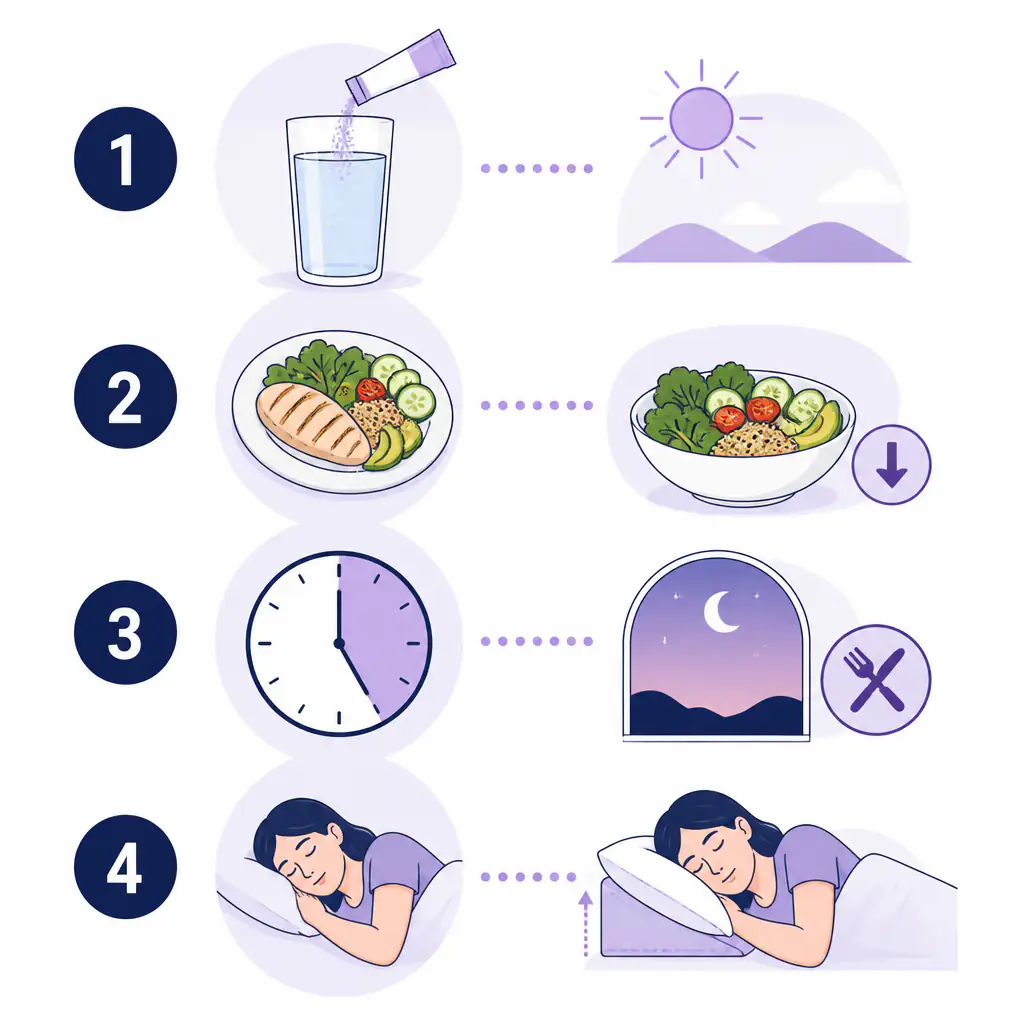
- Time it strategically. Take the powder in the morning, ideally before or with breakfast. This allows the potassium and diuretic ingredients to work during your active hours.
- Cut sodium the night before. The biggest driver of next-morning facial puffiness is high-sodium meals in the evening combined with lying horizontal for eight hours. Reducing sodium after 6 PM is more impactful than any supplement.
- Stay hydrated. Paradoxically, drinking more water reduces water retention. When the body is chronically under-hydrated, it holds onto fluid as a protective mechanism. Aim for 2.5 to 3.5 liters per day depending on activity.
- Pair with potassium-rich foods. Spinach, avocado, banana, and white beans all contribute to the sodium-potassium ratio shift that the supplement is targeting.
- Do not rely on it alone. Use it as a short-term adjunct during a cut, before a photo, or during a period when sodium intake has been high, not as a substitute for long-term dietary discipline.
- Track your baseline. Before starting any protocol, it helps to have a clear sense of where you are starting from. Aura can give you an objective analysis of your current facial structure, including jawline definition and overall harmony scores, so you can measure real changes over time rather than guessing.
Building a Sustainable Debloat and Facial Definition Routine
Debloat powders are a tool, not a strategy. The people who see the most visible improvement in facial definition tend to combine a few things consistently:
Reduce Body Fat Gradually
A 0.5 to 1% body weight reduction per week is aggressive enough to produce visible changes without causing muscle loss or metabolic slowdown. As body fat comes down, facial fat follows. There is no way to spot-reduce fat from the face specifically, but overall fat loss will always reflect in the face.
Manage Sodium and Alcohol
These two are the primary short-term drivers of facial bloating. Processed foods, restaurant meals, and alcohol all spike retention quickly. Cutting them even for five to seven days produces a noticeable difference in facial sharpness that many people attribute to supplements when it is actually the dietary change doing the work.
Prioritize Sleep Quality
Poor sleep elevates cortisol, which promotes water retention and fat storage. Seven to nine hours of quality sleep is one of the most underutilized tools for facial appearance. Sleeping slightly elevated (with an extra pillow) also reduces overnight fluid pooling around the eyes.
Consider Getting a Facial Analysis First
If you are serious about improving how your face looks and you want to go beyond basic debloating, understanding your specific facial structure helps you prioritize the right interventions. Aura provides PSL scoring, jawline analysis, hunter-eye detection, and personalized improvement plans based on your actual facial geometry, not generic advice.
A Note on Medical Options
Some people researching facial debloating are also considering procedures such as buccal fat removal or masseter Botox. These are medical interventions with real risks and irreversible consequences in some cases. Talk to a qualified medical professional before considering any procedure. Supplements and lifestyle changes should always be the starting point.
Frequently asked questions
What is K Shami debloat powder used for? +
K Shami debloat powder is a potassium and electrolyte-based supplement designed to reduce water retention, particularly around the face. It works by improving the sodium-to-potassium ratio in the body, which research suggests may help the kidneys excrete excess sodium and water.
How much potassium do you need to debloat your face? +
Most healthy adults need 2,500 to 3,400 mg of potassium per day, and most people eating a Western diet fall short of this. Supplementing with 200 to 500 mg per serving alongside potassium-rich foods like avocado and spinach may help reduce facial water retention over several days.
Does creatine face bloat go away? +
For most users, yes. The facial bloating associated with creatine is primarily caused by intracellular water retention during the initial weeks of use, especially during a loading phase. Switching to a lower maintenance dose of 3 to 5g per day and skipping the loading phase tends to minimize the effect significantly.
At what body fat percentage does your face start to look leaner? +
For men, noticeable facial definition typically begins to appear around 15 to 17% body fat, with strong definition visible below 12 to 13%. For women, similar changes tend to become visible around 22 to 24% body fat. These are rough estimates since individual fat distribution patterns vary.