 Aura: Looksmaxxing
Glow Up Tips for Women: What Actually Works
Glow up tips for women that hold up: daily sunscreen, a shorter skincare routine, better sleep, hair and style basics, and a simple four-week plan.

Most glow-up advice online falls into one of two camps. One is a twenty-step routine that costs a small fortune. The other is vague encouragement to “become that girl.” Neither helps much if you want visible, lasting change without turning your life into a full-time project.
This guide takes a different route. It starts with the few habits backed by dermatologists and sleep researchers. Then it moves into hair, grooming and style, where the advice is editorial judgment, not science, and is labeled that way. It ends with a simple four-week structure so the changes actually stick.
What “Glow Up” Actually Means
Merriam-Webster’s slang entry defines a glow-up as an informal term for a perceived dramatic positive change in someone’s physical appearance. The word emerged in the 2010s, with notable examples in African American English hip-hop lyrics. One prominent example is Chief Keef’s 2013 song “Gotta Glo Up One Day,” where “glo up” meant gaining wealth and status. The dictionary notes that the exact roots are unclear. By the late 2010s, the term had spread online through social media trends.
Community usage has always reached past looks. Know Your Meme documents early usage that tied “glo” to swagger rather than appearance. Social media glossaries such as Later’s describe a glow-up as also covering someone’s emotional state, confidence and lifestyle.
Two points from that history are worth keeping:
- “Perceived” matters. A glow-up is a change you and the people around you notice. It is not a score.
- It’s broader than your face. The most noticeable changes often come from grooming, clothes and energy, not from anything structural.
Start With Sunscreen, the Habit With the Strongest Backing
If you only adopt one tip from this article, make it this one. The American Academy of Dermatology calls sunscreen one of the single most important things you can do for your skin. It isn’t exciting, and it doesn’t produce an overnight change. It is the foundation that protects everything else you do.
What to look for on the label
The AAD recommends a sunscreen with all three of these features:
- Broad-spectrum. It protects against both UVA and UVB rays.
- SPF 30 or higher.
- Water-resistant.
Apply it to all skin not covered by clothing, not just your face. Then reapply as the label directs when you’re outdoors.
Use enough of it
Most people under-apply. According to the AAD’s sunscreen FAQ, the face needs at least 1 teaspoon, roughly enough to cover the length of your index and middle fingers. Covering exposed skin on the body takes about 1 ounce, which is roughly a shot glass. If a bottle lasts you all summer, you’re probably using too little.
Sunscreen is one layer, not the whole plan
No sunscreen blocks 100% of UV rays. That’s why dermatologists also recommend seeking shade and wearing sun-protective clothing outdoors. A wide-brimmed hat and good sunglasses can be part of your style as well as your protection.
Skip tanning beds entirely
If a “glow” means a tan to you, the indoor route is a poor trade. The AAD reports that even one indoor tanning session can increase your risk of melanoma by 20% and squamous cell carcinoma by 67%, and it raises the risk of basal cell carcinoma too. No glow-up is worth that.
Keep Your Skincare Routine Short
The glow-up content cycle tends to push more products, more steps and more actives. Dermatologists push the other way. The AAD’s guidance is that less is more: using too many products, especially several anti-aging products at once, can irritate your skin.
Active ingredients deserve particular care. Products with retinols or glycolic acid can irritate the skin. The reaction can be temporary, but the standard advice is to stop any product that causes bothersome sensitivity.
An editorial starting point
This is our suggestion, not a clinical protocol:
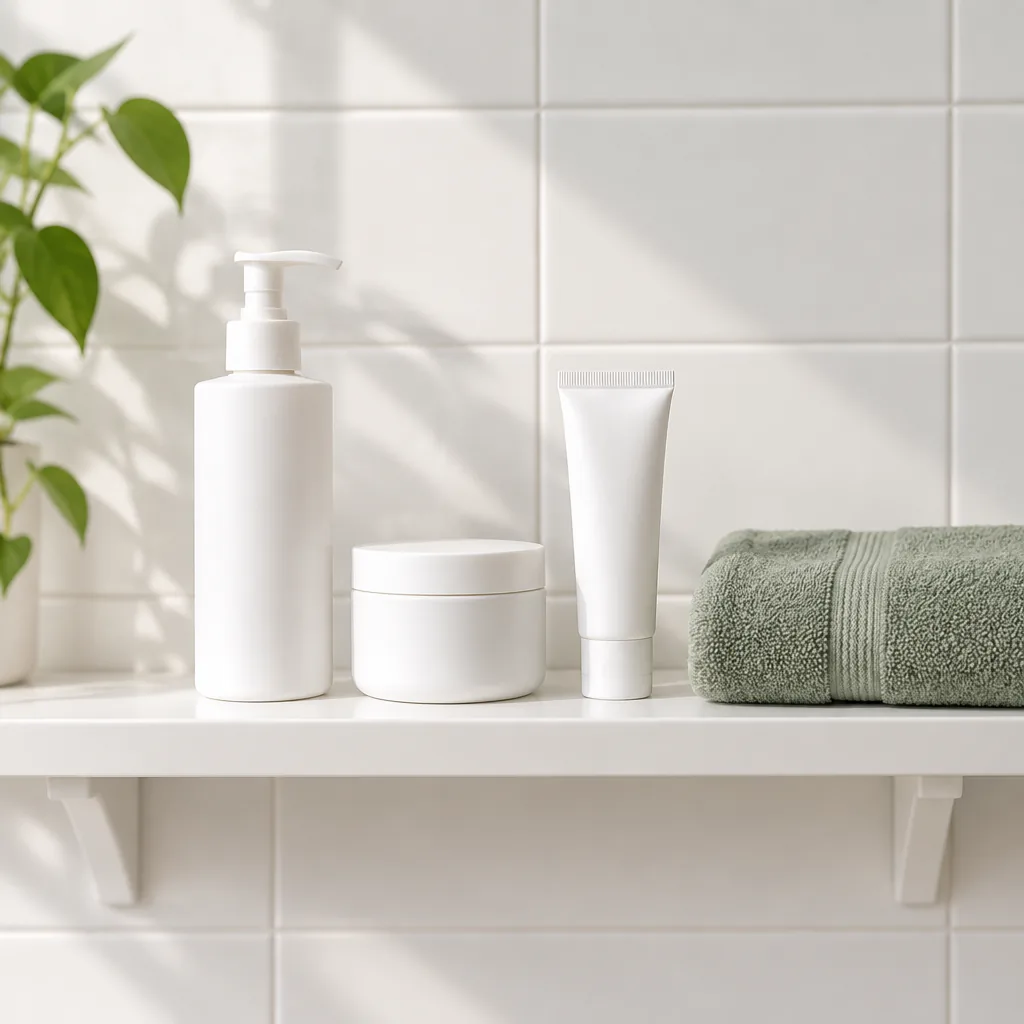
- Morning: gentle cleanser (or just water if your skin is dry), moisturizer, sunscreen.
- Evening: gentle cleanser, moisturizer.
- New products: add one at a time, so that if your skin reacts, you know what caused it.
That’s it. A short routine you actually follow beats an elaborate one you abandon after two weeks. If you’re dealing with persistent acne, a rash or a mole that’s changing, see a dermatologist rather than adding products.
Sleep: A Modest Advantage That Costs Nothing
“Beauty sleep” sounds like an old wives’ tale, but it has been tested. In one experimental study, researchers photographed 23 healthy adults aged 18 to 31 after normal sleep and after sleep deprivation, and 65 untrained observers rated the photos. The sleep-deprived photos were rated as less healthy and more tired.
A follow-up study used a more realistic setup: 25 participants were photographed after two days of restricted sleep and after normal sleep. Raters judged the sleep-restricted faces as less attractive, less healthy and sleepier. The researchers also looked at how willing others were to socialize with them.
The honest caveat is the size of the effect. The authors of the second study described the effects as arguably quite small. In the first study, the health ratings averaged 63 for sleep-deprived photos versus 68 after normal sleep, a real but modest gap. Both studies were small, and both measured how strangers perceived photos, not skin health.
So don’t expect sleep to transform your face. Treat it as a free, low-effort habit that stops you from looking tired, especially before days that matter to you. Some editorial suggestions:
- Keep a consistent bedtime in the run-up to events, rather than relying on concealer the morning after.
- Put your phone across the room if late-night scrolling is the reason you’re up.
- If you sleep enough but still wake up exhausted, mention it to a doctor.
Hair and Grooming: Where Small Changes Show Fastest
This section and the next are editorial suggestions based on common styling practice. They are not measured facts. They’re included because hair, grooming and clothing are the areas where most people see a visible difference soonest.
Get a haircut that fits your real life
The best cut is one that suits your hair’s texture and the time you’ll actually spend styling it. Whether you want a sleek bob, long layered waves or curls shaped to show off their pattern, tell your stylist three things:
- How long you spend on your hair on a normal morning
- Which tools you own and use (or don’t)
- A few photos of cuts you like on people with hair similar to yours
A cut that looks great only after 40 minutes with a round brush won’t feel like a glow-up on day three.
Keep up with trims and basic upkeep
Regular trims keep ends looking healthy and a style looking intentional. Book them on a schedule that suits your hair length and how quickly your cut grows out. If you color your hair, a shade that works with your skin tone and your tolerance for maintenance matters more than whatever color is trending.
Tidy the details
Grooming details add up, even though no single one is dramatic:
- Brows: a clean, natural shape tends to frame the face. Over-plucking is hard to undo, so remove a little at a time or see a brow professional.
- Nails: clean and even, painted or not.
- Lips: a lip balm with SPF 30 or higher covers both comfort and sun protection.
Clothes That Fit Beat Clothes That Trend
You don’t need a new wardrobe to glow up. Most people get more from editing and fitting what they already own. Again, these are editorial suggestions:
- Edit first. Pull out everything you haven’t worn in a long time, anything that doesn’t fit and anything you feel uncomfortable in. What’s left is your real wardrobe.
- Fix fit cheaply. Hemming trousers and taking in a waist are usually inexpensive and make mid-priced clothes look more considered.
- Choose a short color list. Pick a handful of colors you genuinely like wearing and that work together. Outfits get easier and look more cohesive.
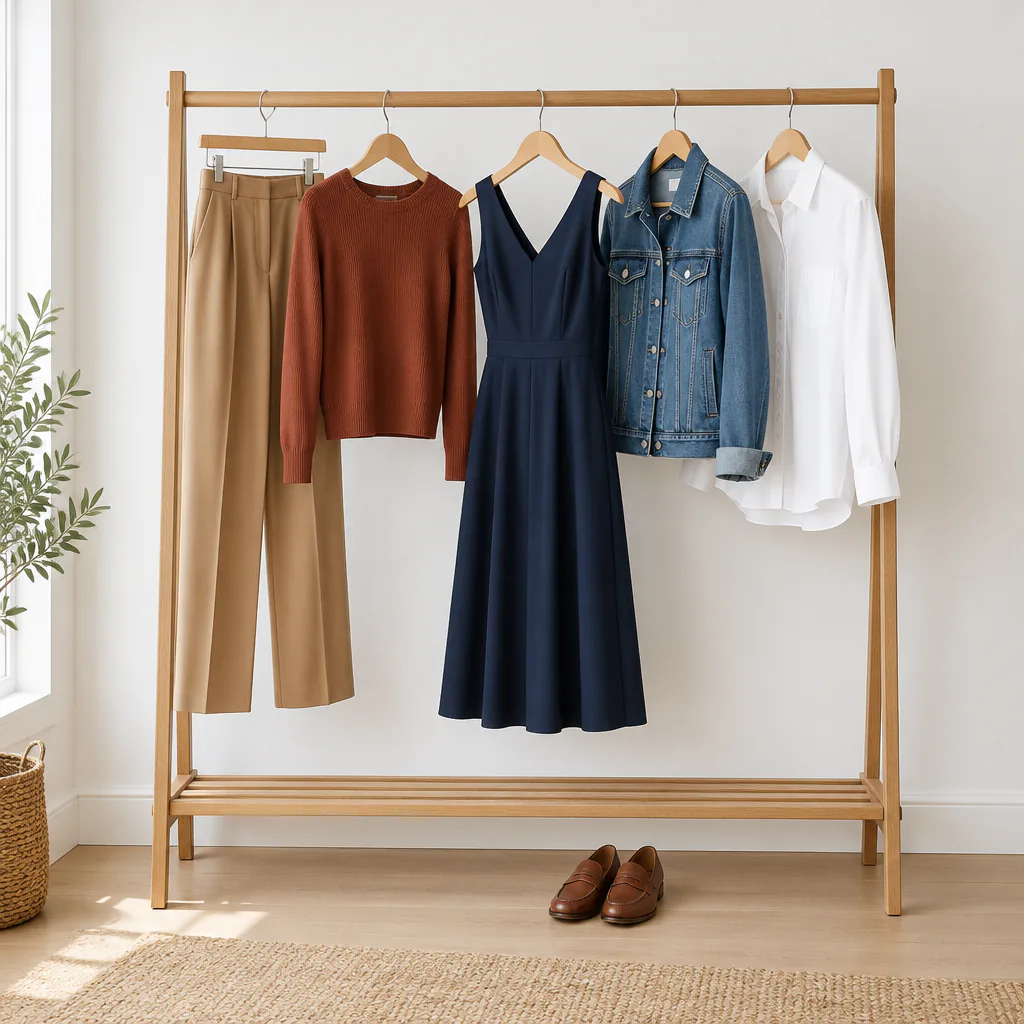
- Build one go-to formula. An example is straight-leg trousers, a fitted knit and loafers, or a midi dress with a denim jacket. A reliable formula removes daily decision fatigue.
- Look after shoes and bags. Clean shoes and a structured bag quietly lift simple outfits.
Your style should reflect your taste, whether that’s minimal, romantic, sporty or bold. A glow-up is about looking more like yourself, not like a feed.
Turn the Tips Into a Four-Week Plan
The reason most glow-up attempts fade is scope. People try to change skincare, hair, wardrobe and sleep in the same week, then burn out. Spreading three small tasks per week over a month works better. Here’s an editorial example:
- Week 1: buy a sunscreen that meets the AAD criteria, trim your skincare down to the basics, set a consistent bedtime.
- Week 2: book a haircut with a clear brief, tidy your brows, do a wardrobe edit.
- Week 3: take two or three pieces to be tailored, choose your color list, plan one go-to outfit formula.
- Week 4: review what stuck, drop what didn’t, and pick one habit to keep building.
At the end of each week, spend five minutes on reflection. What felt easy? What did you skip, and why? That review is what turns a one-month push into lasting habits.
If you’d rather not build the plan from scratch, Aura’s 30-Day Glow-Up Planner takes your goals, time budget and style preferences and turns them into a four-week plan. You get three small tasks per week, a daily checklist, budget-friendly options and a weekly reflection prompt. It sticks to hair, grooming, clothing and ordinary self-care, and it’s part of Aura Pro ($9.99 a month or $49.99 a year).
What to Skip
A good glow-up is as much about what you leave out:
- Tanning beds. The cancer risk numbers above speak for themselves.
- Stacking actives. Several anti-aging products at once is a common route to irritated skin.
- Product hauls. More products rarely means better results. Buy to fill a gap in your routine, not to follow a trend.
- Filtered before-and-afters. Many viral transformations involve lighting, angles, filters or years of time. Compare yourself with last month’s you, not with a stranger’s highlight reel.
- Miracle promises. Be skeptical of any product claiming to give you a “glow” from the inside out. This guide covers only habits with clear backing or clear practical value.
A Quick Glow-Up Checklist
Pin this somewhere you’ll see it:
- Broad-spectrum, water-resistant sunscreen, SPF 30 or higher, every day
- About a teaspoon of sunscreen for your face
- A short skincare routine with new products added one at a time
- A consistent bedtime, especially before big days
- A haircut that matches your texture and your morning
- Brows, nails and lips tidied
- Wardrobe edited, key pieces tailored
- One go-to outfit formula
- A five-minute weekly reflection
None of these items is dramatic on its own. Together, kept up over a month, they add up to a change people notice.
Sources & further reading
Frequently asked questions
What is the most important glow up tip for women? +
Daily sunscreen. The American Academy of Dermatology calls it one of the single most important things you can do for your skin, and recommends broad-spectrum, water-resistant protection with SPF 30 or higher on all exposed skin.
How long does a glow up take? +
Grooming, hair and wardrobe changes show up within weeks, which is why a four-week plan is a practical structure. Skin habits like sunscreen work on a longer timeline, so think of them as ongoing rather than a one-month project.
Does sleep really affect how you look? +
Yes, but modestly. In two experiments, sleep-deprived or sleep-restricted people were rated as less healthy and more tired, and in the second study less attractive, though the researchers described the effects as arguably quite small.
Do I need an expensive skincare routine to glow up? +
No. Dermatologists say less is more, and too many products, especially multiple anti-aging products, can irritate skin. A gentle cleanser, moisturizer and sunscreen is a solid base, with new products added one at a time.
Where does the term glow up come from? +
It emerged in the 2010s, with notable examples in African American English hip-hop lyrics, including Chief Keef's 2013 song "Gotta Glo Up One Day." Merriam-Webster notes the exact roots are unclear, and the term spread widely online in the late 2010s.