 Aura: Looksmaxxing
Softmaxxing for Women: What It Means and What Works
Softmaxxing for women explained: where the term comes from, which habits are worth your time, which claims to skip, and a simple four-week routine.

If you have spent any time on beauty TikTok lately, you have probably heard someone describe their haircut, brow appointment or skincare routine as softmaxxing. The word sounds technical, but most of what it covers is familiar. It helps to know what the label actually means, where it came from, and how to separate useful habits from forum mythology.
This guide covers the definition, the history women should know about, the areas genuinely within your control, and the claims to treat with suspicion. It finishes with a simple routine you can start this week.
What softmaxxing actually means
Softmaxxing is the low-intensity tier of looksmaxxing, the online practice of trying to maximize your appearance. Merriam-Webster’s slang entry describes softmaxxing as recommendations for skincare, grooming, exercise, dieting and fashion. It contrasts this with hardmaxxing, the extreme end, which it says can involve disordered eating and surgical body modification.
In practice, people use the word loosely. Here is how it shows up in first-hand accounts:
- A TikTok user quoted by Tyla said she was asked whether she wanted “softmaxxing” or “hardmaxxing” advice. She described softmaxxing as haircut, hair colour, eyebrows and tan.
- A young man interviewed by the Guardian described his softmaxxing as hair styling, skincare remedies, diets and exercise regimes.
Those accounts show how people use the word. They are not evidence that any particular habit makes someone more attractive. Keep that distinction in mind, because a lot of softmaxxing content blurs it.
Where the term comes from, and why it matters for women
The history matters. Merriam-Webster traces “looksmaxxing” to the mid-2010s in incel forums, an online community of men generally associated with misogynist beliefs. By the early 2020s it had spread across social media, especially TikTok.
Academics have raised concerns about that origin. Writing in The Conversation, researchers argue that looksmaxxing can look like harmless self-care, exercise and healthy eating, while being tied at its core to incel culture, violence and suicide.
How the framework treats women
Women appear in these spaces, both as subjects and as participants. An analysis in Diggit Magazine notes that the terminology and ideology come from masculinist spaces. It points out that women tend to be judged on hyperfeminine qualities: youth, symmetry and softness. One observation stands out. In these communities, femininity is treated less as something you build and more as something you can easily lose.
Dazed has reported on the same pattern from other angles:
- One piece mentions a subreddit called vindictapoc, with around 34,000 members, focused on looksmaxxing for women of colour.
- The same piece observes that for women, looksmaxxing tends to mean conforming to traditional ideas of femininity and looking thin.
- In a later piece, a 26-year-old creator explained she started using looksmaxxing language to be taken “more seriously” in the beauty space.
That last point explains much of the appeal. Systems language makes beauty work sound like a project rather than vanity. That framing can feel empowering. It can also turn ordinary grooming into a score you never stop chasing.
Old habits, new vocabulary
Most softmaxxing advice for women covers things you already know: get a cut that suits you, shape your brows, wear clothes that fit, protect your skin, sleep. What’s new is mostly the vocabulary and the habit of auditing yourself like a spreadsheet.
The systems mindset has some genuine value:
- It favours consistency over big swings. A routine you keep beats a dramatic overhaul you abandon.
- It pushes you to notice specifics. For example, how your parting falls, or whether a neckline suits your shoulders.
- It treats styling as a skill. Skills can be learned.
The same mindset has a downside. Constant self-rating, ranking yourself against strangers, and believing every feature needs “fixing” are where the culture turns corrosive. You can take the useful habits and leave the scoreboard.
The areas genuinely within your control
What follows is editorial guidance, based on standard styling practice. It is not a measured attractiveness formula, and it does not promise any specific outcome.
Hair: framing comes first
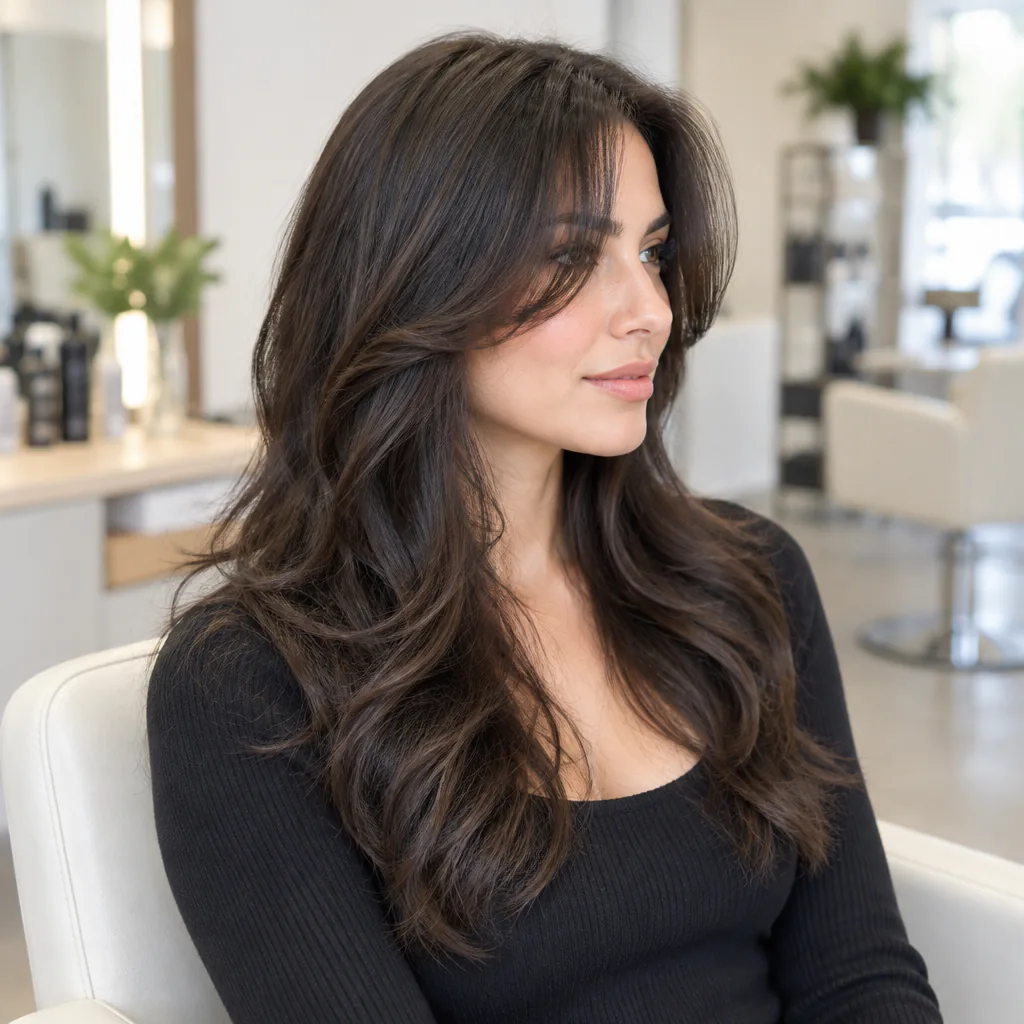
Hair frames your face, and it is the easiest part of your look to change. Think about three things:
- Where volume sits. Volume at the crown adds height. Volume at the sides adds width. Decide which balances your face better.
- Face-framing pieces. Curtain bangs, long layers starting around the cheekbones, or soft pieces at the jaw draw attention toward your eyes and cheekbones.
- Parting. Moving a centre part slightly off-centre, or the reverse, changes the look more than people expect. Try both in a mirror before your next appointment.
Bring a stylist a clear brief: how much time you spend styling each day, your hair texture, and two or three reference photos of cuts on people with similar hair. That conversation usually matters more than any trend.
Brows: shape, not a template
Brows frame the eyes and change how expressive your face reads. Good brow styling usually follows your natural brow line rather than a fixed shape copied from a filter. If you are unsure, a single professional shaping gives you a map to maintain at home. Grow-out phases are normal. Avoid overplucking while you figure out your shape.
Skin: keep it simple and consistent
A basic routine of cleansing, moisturising and daily sunscreen is standard advice, and simplicity makes it easier to stick with. You don’t need a ten-step product stack. For acne, persistent redness or any skin condition, see a dermatologist rather than a forum. That is a medical question, not a styling one.
Clothes that fit your frame
Fit does more work than brand or price. Tailoring a waist, hemming trousers to the right length, or choosing necklines that suit your shoulders are low-cost changes. Colour matters too. Notice which shades near your face make you look rested in daylight, and buy more of those.
Posture and presence
How you stand and move is part of how you come across in person and in photos. This is not about rigid “perfect posture” drills. It is about noticing habits like hunching over a phone and resetting them through the day.
Makeup is optional
Makeup is a tool, not an obligation. If you enjoy it, learn a few techniques that suit your features rather than copying every trend. If you do not wear it, nothing in this guide depends on it.
Where to be skeptical
The line between softmaxxing and pseudo-science is thin. An essay on the CASTAC anthropology blog notes that authority in looksmaxxing culture is often built from Reddit threads, forum logs and TikTok “gurus” who speak with borrowed clinical confidence. Watch for the following.
- Mewing. Holding your tongue against the roof of your mouth to reshape your jaw is promoted as softmaxxing. Treat it as an unproven claim, not a technique.
- Supplement “stacks”. Many glow-up supplement lists come from sellers. A shop selling the product is not evidence that the product works.
- Ranking labels. Terms like HTN, MTN and LTN (high-, mid- and low-tier “normie”) are informal community slang. They are not anatomy, and they are not a measurement.
- Rating services. Some people pay strangers online to grade their selfies. You do not need anyone’s verdict to improve your grooming.
- Weight and thinness. Merriam-Webster links hardmaxxing with disordered eating. Never decide you need to lose weight based on a face photo or an online rating. If food or body image is weighing on you, talk to a doctor or an eating-disorder service.
A note on procedures
Some softmaxxing content treats fillers, injectables or surgery as the natural next step once the basics are done. We don’t recommend surgery, fillers, Botox or other injectables for appearance. The risks are real: complications, recovery time, cost, and results that can be hard or impossible to reverse. Talk to a qualified professional before considering any procedure, and try the non-medical options in this guide first.
A simple four-week softmaxxing routine
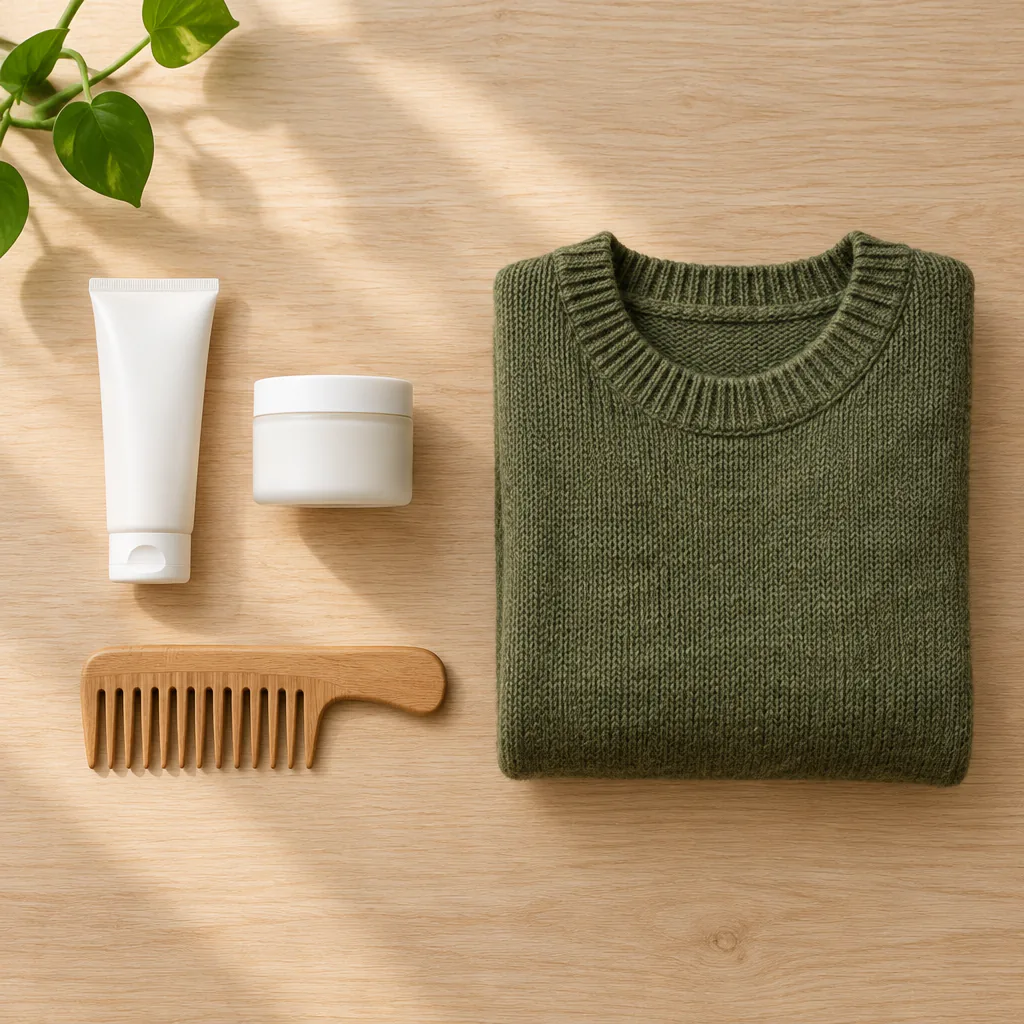
This is an editorial suggestion, not a prescription. Adjust it to your schedule and budget.
- Week 1: Audit, don’t judge. Take a few photos in natural daylight, front and side. Note what you like and what you want to change. Write down how much time you realistically want to spend on your appearance each day.
- Week 2: Hair and brows. Book a cut with a clear brief, or experiment with parting and styling at home. Get one professional brow shaping, or simply stop overplucking and let your natural line show.
- Week 3: Skin and wardrobe. Settle on a three-step skincare routine and keep it every day. Pull out the clothes that fit well and suit your colouring. Set aside anything that needs tailoring.
- Week 4: Habits. Pay attention to sleep timing and posture resets. Then review what changed in how you feel, not only in how you look.
The goal is a routine you would happily keep for a year, not a sprint.
Using a face analysis without losing the plot
If you want structured input on hair framing and brows before a salon visit, a face analysis can be a useful starting point. Treat it as styling suggestions rather than a verdict. Aura’s Face Analysis for Women is built around feminine styling goals. It covers your facial profile, hair and brow ideas, optional makeup ideas, and your personal priorities. It does not apply masculine jawline or “hunter eye” ideals, and it does not recommend weight loss from a photo.
On cost: the only part that costs nothing is an on-device preview (face shape, symmetry, canthal tilt and eye shape) measured in your browser without uploading your photo. The full AI report is part of Aura Pro, at $9.99 a month or $49.99 a year. Neither tells you how attractive you are, and neither replaces your own taste. Use the suggestions to sharpen the brief you give your stylist, then decide for yourself.
At its best, softmaxxing is ordinary self-care done with a bit more intention. Keep the intention. Skip the scoreboard.
Sources & further reading
- LOOKSMAXXING Slang Meaning
- ‘Looksmaxxing’ is the disturbing TikTok trend turning young men into incels
- Want to Look Good? Check the Rulebook: Unraveling the Beautystandards of Looksmaxxing Communities
- The year of maxxing: Has our obsession with self-optimisation hit its peak?
- Why are women now talking like looksmaxxers?
Frequently asked questions
What is softmaxxing for women? +
Softmaxxing is the non-surgical side of looksmaxxing: grooming, skincare, hair, brows, clothing and everyday habits. For women it usually means ordinary beauty and styling routines described in systems language. The useful core is consistency, not a new set of rules.
Is softmaxxing the same as looksmaxxing? +
Softmaxxing is a subset of looksmaxxing. Merriam-Webster places it at the milder end, with hardmaxxing at the extreme end, which it links to disordered eating and surgery. Looksmaxxing as a whole started in incel forums, which is why many writers urge caution about the wider culture.
Does mewing work as a softmaxxing technique? +
Mewing is widely promoted in softmaxxing content, but treat it as an unproven claim. A haircut, brow shaping and well-fitting clothes are more practical ways to change how your face is framed. If you have concerns about your jaw or bite, see a dentist or orthodontist.
Do I need to rate my face to start softmaxxing? +
No. Rating services and tier labels like HTN or MTN are informal community slang, not measurements. A few daylight photos, a clear brief for your stylist and a simple daily routine are enough to start. Use any face analysis tool for styling ideas, not as a verdict on your worth.