 Aura: Looksmaxxing
 Face Forward Aesthetics: A Complete Guide
Learn face forward aesthetics concepts, key facial structures, and practical improvement strategies. Science-backed tips to refine your look.
What Does “Face Forward” Mean in Facial Aesthetics?
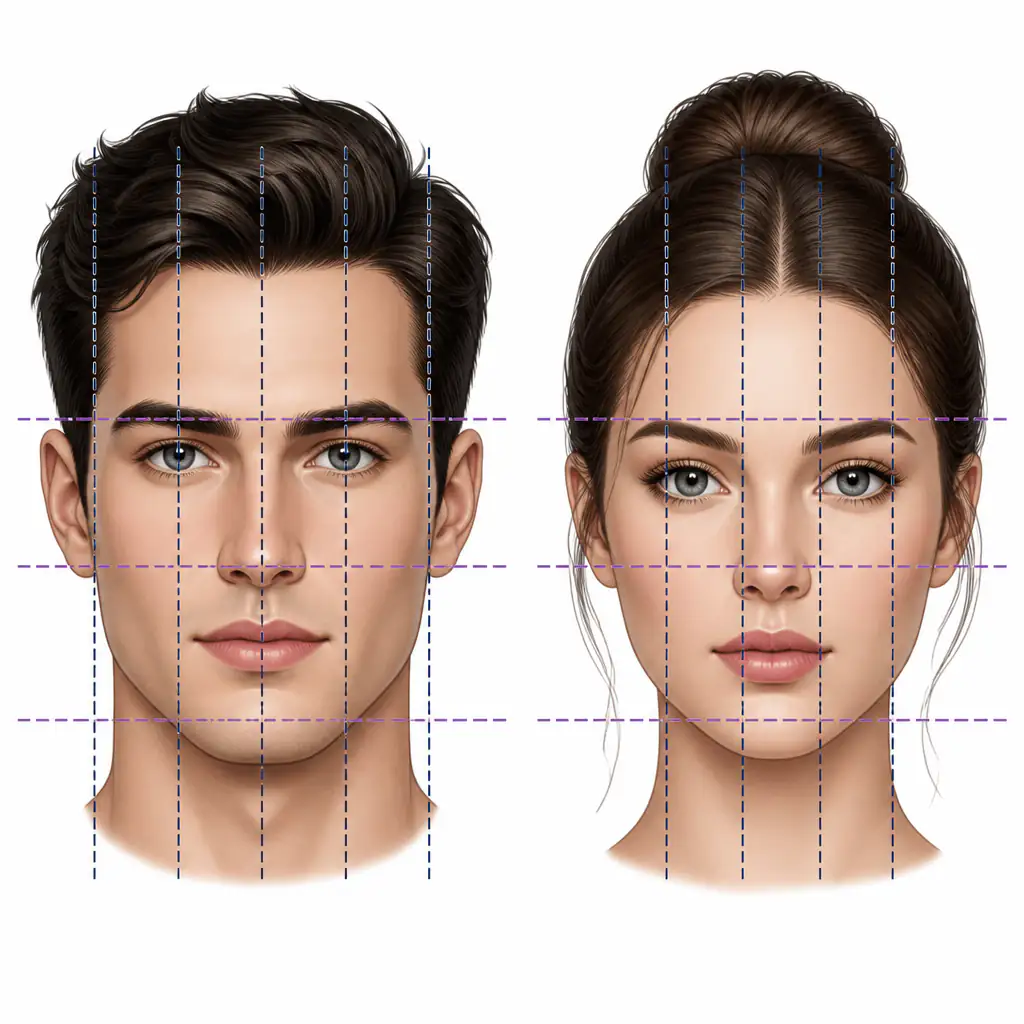
The phrase face forward aesthetics refers to evaluating and improving your facial appearance primarily from the frontal view, which is how most people perceive you during conversation. Unlike profile or three-quarter assessments, the frontal plane captures symmetry, facial width-to-height ratios, eye spacing, and the relative dominance of your lower third relative to your upper and middle thirds.
This framework matters because most social interactions happen face-to-face. Understanding what draws the eye in a direct, straight-on view gives you a concrete starting point for improvement, whether through training, grooming, posture, or, where appropriate, professional consultation.
Facial aesthetics as a field combines anthropometric research (the measurement of human body proportions), evolutionary psychology, and clinical practice. The goal here is not to chase a single idealized look but to understand the structures that influence perception and identify realistic levers you can actually pull.
Core Facial Aesthetics Concepts You Should Know
Before diving into specific strategies, a few foundational facial aesthetics concepts are worth understanding. These are the building blocks practitioners, researchers, and increasingly AI tools use to assess a face.
Facial Thirds
The face is traditionally divided into three horizontal thirds:
- Upper third: Hairline to the brow ridge
- Middle third: Brow ridge to the base of the nose
- Lower third: Base of the nose to the chin
In classically balanced faces, these thirds are roughly equal in height. An underdeveloped lower third, often linked to weak chin projection or a recessed mandible, is one of the most commonly noted imbalances in facial aesthetics literature.
Facial Fifths
Vertically, the face is divided into five equal segments, each approximately one eye-width wide. Ideal spacing places the inner canthi (inner corners of the eyes) at the boundaries of the central fifth. Wider or narrower spacing shifts perceived attractiveness in measurable ways.
The Phi Ratio and Neoclassical Canons
You have likely heard of the golden ratio (approximately 1.618). While its application to faces is sometimes overstated in popular media, research does suggest that faces closer to certain proportional relationships are rated more attractive on average. The neoclassical canons, a set of proportional guidelines developed during the Renaissance, still influence both surgical planning and aesthetic analysis today.
Gonial Angle and Mandibular Definition
The gonial angle is the angle formed at the corner of the jaw where the lower jaw (mandible) turns upward toward the ear. A tighter gonial angle, roughly 115 to 130 degrees, is generally associated with a more defined, angular jawline. Bone structure here is largely genetic, but factors like body fat percentage, masseter hypertrophy (development of the chewing muscle), and posture all influence how the jaw appears.
Hunter Eyes vs. Prey Eyes
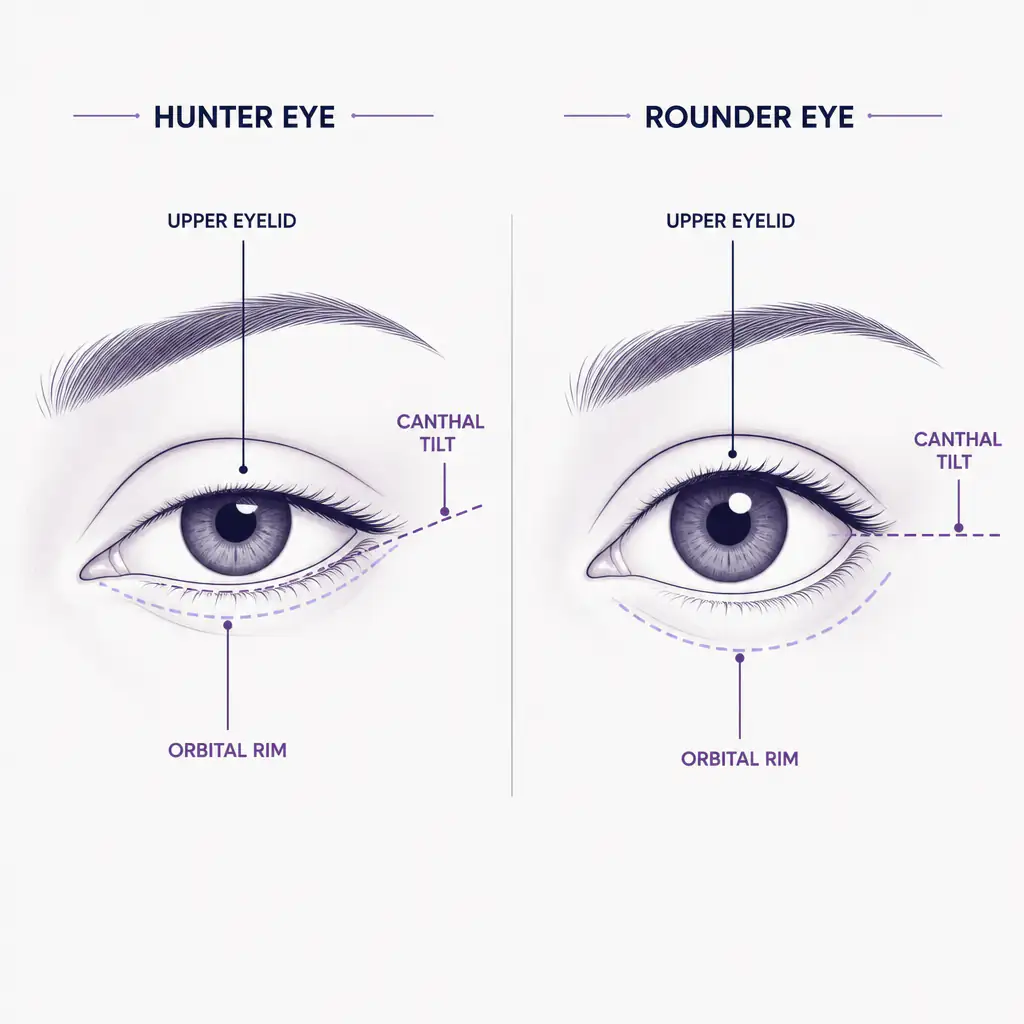
This terminology, popular in facial aesthetics communities, describes the vertical positioning of the upper eyelid relative to the iris. Hunter eyes refer to a lower orbital rim and a more hooded appearance, which some research links to perceptions of dominance and attractiveness in men. Prey eyes describe the opposite: a wide-open, more rounded appearance. Canthal tilt (the angle from the inner to outer corner of the eye) also plays a significant role here.
Face First Aesthetics: Starting With What You Can Control
A face first aesthetics approach means prioritizing facial improvements before, or alongside, body composition changes. This contrasts with the conventional advice to focus exclusively on building an aesthetic physique and hope the face follows. Both matter, but for social perception, the face carries disproportionate weight.
Here are the highest-leverage areas to address:
1. Body Fat Percentage
Facial fat distribution changes significantly with overall body fat. Research consistently shows that lower body fat is associated with more defined facial features, sharper cheekbones, and better jawline visibility. For most people, dropping body fat percentage is the single most impactful non-invasive change they can make to facial appearance.
Men tend to see noticeable facial definition improvements when moving from above 20% body fat toward the 12 to 15% range. Women typically see similar definition improvements moving toward the 18 to 22% range, though individual fat distribution patterns vary considerably.
2. Mewing and Oral Posture
Mewing refers to maintaining correct tongue posture, specifically resting the entire tongue against the palate (roof of the mouth) with the lips together and teeth lightly touching or slightly apart. Proponents argue, and some preliminary research suggests, that consistent correct oral posture may support better forward maxillary growth in younger individuals and improved facial muscle tone in adults.
The evidence for dramatic structural change in adults is limited. However, correct oral posture is associated with better breathing patterns, improved neck posture, and reduced jaw tension, all of which have visible effects on how the face presents.
3. Neck and Trap Development
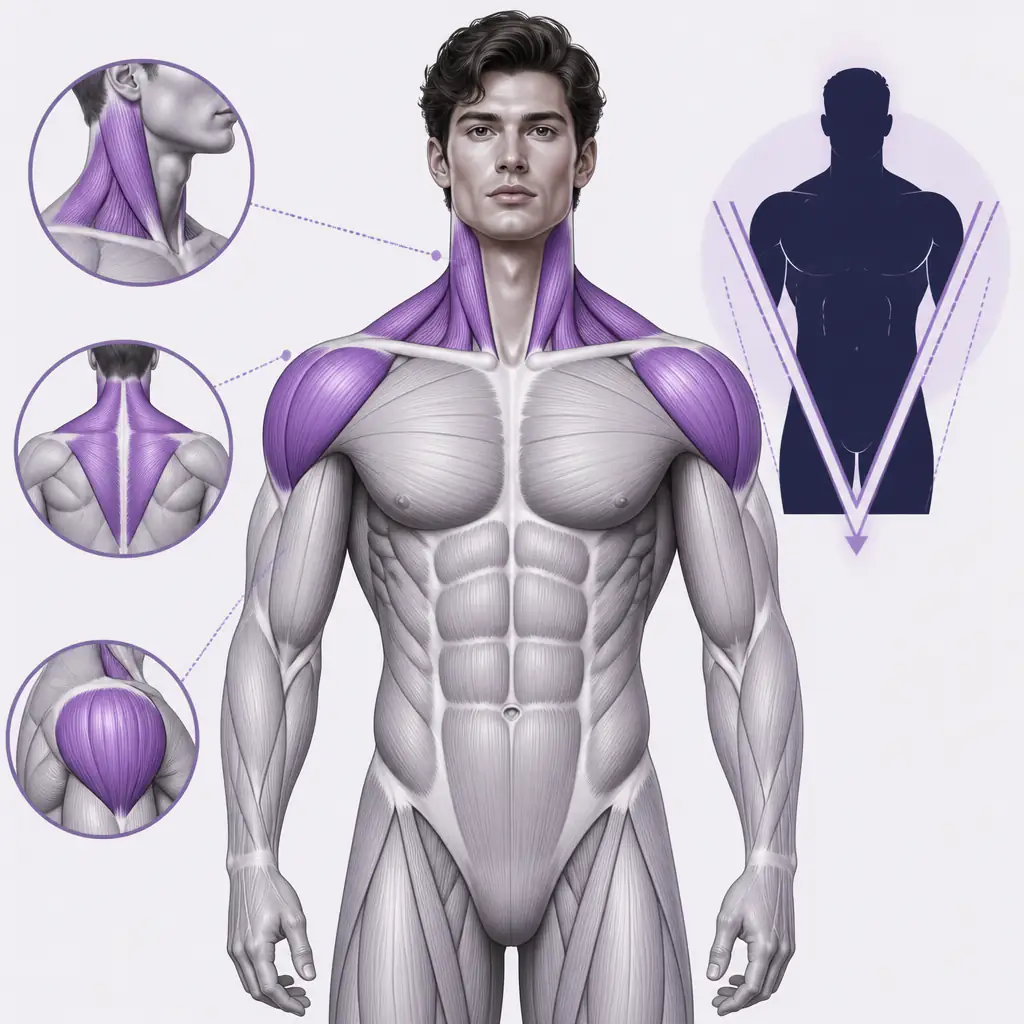
Framing matters in facial aesthetics. A well-developed neck and upper trapezius area creates a visual pedestal for the face. Neck training, often ignored in standard gym programs, can meaningfully change how defined and proportionate the face looks relative to the body. Exercises like neck curls, neck extensions, and farmer’s carries (which load the traps) are practical starting points.
4. Skincare and Skin Quality
Skin texture, tone, and clarity are significant contributors to attractiveness ratings in research studies. A consistent skincare routine addressing hydration, sun protection, and targeted concerns (hyperpigmentation, texture, acne) may help more than many structural interventions. SPF use alone, applied consistently over time, has measurable effects on perceived age and skin quality.
5. Grooming Architecture
Eyebrow shape, facial hair design, and haircut selection all function as frames for your facial structure. A well-shaped brow can create the illusion of a more defined orbital rim. A beard, shaped correctly for your jaw geometry, can add apparent lower-face definition. These are not permanent changes, but their impact on perceived facial aesthetics is real and immediate.
MOV Aesthetics and the Role of Movement
An emerging concept in facial analysis is MOV aesthetics, which examines how the face moves, not just how it looks in a static photo. Facial expressiveness, microexpression control, and the dynamic symmetry of a face in motion all contribute to perceived attractiveness and charisma in ways that static analysis misses.
Research in social psychology suggests that a moderately expressive face, one that shows emotional range without excessive or asymmetric muscle activation, is rated more positively than a perfectly proportioned but static or flat face. This is why some people look better in person or on video than in photos, and vice versa.
Practical implications include:
- Reducing chronic facial tension: Jaw clenching, brow furrowing, and lip tension create static lines and asymmetries over time. Addressing these habits matters.
- Smile mechanics: The zygomaticus major (the muscle that pulls the corners of the mouth upward) and orbicularis oculi (the muscle around the eye that creates a genuine smile) work together in a Duchenne smile. Training yourself to engage both during social interactions improves perceived warmth and attractiveness.
- Eye contact and gaze direction: Direct, steady eye contact is consistently rated as a positive attractiveness signal. This is a behavioral component of facial aesthetics that requires no physical change.
How to Build an Aesthetic Physique That Complements Your Face
Understanding how to build an aesthetic physique is incomplete without accounting for how your body frames your face. The two are not separate concerns.
The classic V-taper (broad shoulders tapering to a narrower waist) is widely considered the most aesthetically compelling male physique proportions. For women, the hourglass proportion (shoulder and hip width in rough balance, with a defined waist) follows a similar logic. Both create visual emphasis that draws the eye upward and outward, framing the face as the focal point rather than competing with it.
Key physique priorities for facial framing:
- Shoulder width: Lateral deltoid development creates a wide clavicular frame. This makes the head and face appear more proportionate and the jaw appear more defined by contrast.
- Neck thickness: As noted above, a stronger neck directly impacts facial perception.
- Low body fat: Not just for the face. Visible muscle separation and vascularity signal health, which is a core component of aesthetic attraction across cultures.
- Posture: Anterior pelvic tilt, rounded shoulders, and forward head posture all affect how the face is presented. A neutral spine with the chin parallel to the floor and the crown of the head tall changes facial presentation significantly.
Using Technology to Get an Objective Baseline
One challenge with personal facial aesthetics is that self-assessment is unreliable. Most people either over-critique or have blind spots about their own features. Getting an objective read on where you actually stand helps prioritize what to work on.
Tools like Aura apply AI analysis to assess facial features including jawline definition, canthal tilt, hunter-eye characteristics, and overall PSL scoring. Using an objective baseline before starting a structured improvement program gives you something concrete to measure against rather than relying entirely on mirror checks and subjective feedback.
This kind of structured self-knowledge is particularly useful for deciding whether to focus on non-invasive strategies first or whether a consultation with a professional might be warranted for specific concerns.
When to Consider Professional Consultation
Many facial aesthetic goals are achievable through lifestyle changes: body composition, posture, grooming, skincare, and behavioral habits. Others involve structural considerations where professional input is appropriate.
Areas where qualified professional consultation is relevant include:
- Orthodontics and orthognathic concerns: Bite alignment, maxillary retrusion, and mandibular underdevelopment are structural issues that an orthodontist or oral surgeon can assess.
- Rhinoplasty or chin augmentation: Nose and chin projection significantly affect facial balance. These are surgical procedures with real recovery times and risks.
- Dermal fillers and non-surgical options: Qualified aesthetic practitioners can address specific concerns with fillers, neuromodulators, and other non-surgical tools.
Always consult a qualified medical or dental professional before considering any invasive or semi-invasive procedure. No online assessment, AI tool, or guide should substitute for professional clinical evaluation.
Practical Checklist: Face Forward Aesthetics Priorities
If you are starting from scratch, here is a sequenced approach based on impact and accessibility:
- Reduce body fat to a healthy range - Highest-leverage structural change for most people.
- Fix oral and body posture - Free, impactful, and often overlooked.
- Build a consistent skincare routine - SPF, hydration, targeted actives.
- Optimize grooming - Eyebrows, facial hair, haircut relative to face shape.
- Add neck and trap training - Underrated physique work with direct facial payoff.
- Assess objectively - Use tools like Aura to identify specific weak points.
- Consult professionals for structural concerns - After exhausting non-invasive options, if needed.
This sequence is not rigid. Skincare and posture can start on the same day as dietary changes. The point is to avoid jumping to invasive solutions before addressing the fundamentals.
Frequently asked questions
What is face forward aesthetics? +
Face forward aesthetics is an approach to facial analysis and improvement focused on the frontal view, since that is how most people perceive you during direct interaction. It evaluates symmetry, facial thirds, eye spacing, and lower-face definition from a straight-on perspective rather than the profile or three-quarter view.
What are the most impactful non-invasive things I can do to improve my facial aesthetics? +
Reducing body fat percentage, correcting posture, maintaining proper oral posture, building neck and trap muscle, and following a consistent skincare routine with SPF are consistently the highest-leverage non-invasive changes. Most people see the greatest visible improvement from body fat reduction and posture correction before anything else.
Does building an aesthetic physique actually improve how my face looks? +
Yes, in several measurable ways. Lower body fat reveals facial definition, developed neck and trap muscles create a stronger visual frame for the face, and improved posture changes how the face is presented in space. The relationship between physique and facial perception is real, even if the face and body are sometimes treated as separate concerns.
How can I get an objective assessment of my facial aesthetics? +
Self-assessment is often unreliable due to familiarity bias and emotional attachment to your own appearance. AI-based tools like Aura can provide structured analysis of specific features including jawline, canthal tilt, and facial proportions, which gives you a more objective baseline than mirror checks alone. For structural or medical concerns, a qualified professional consultation is the appropriate step.