 Aura: Looksmaxxing
 Brow Ridge Implants: What to Expect
Learn what brow ridge implants involve, who they suit, costs, risks, and recovery. A practical guide before consulting a surgeon.
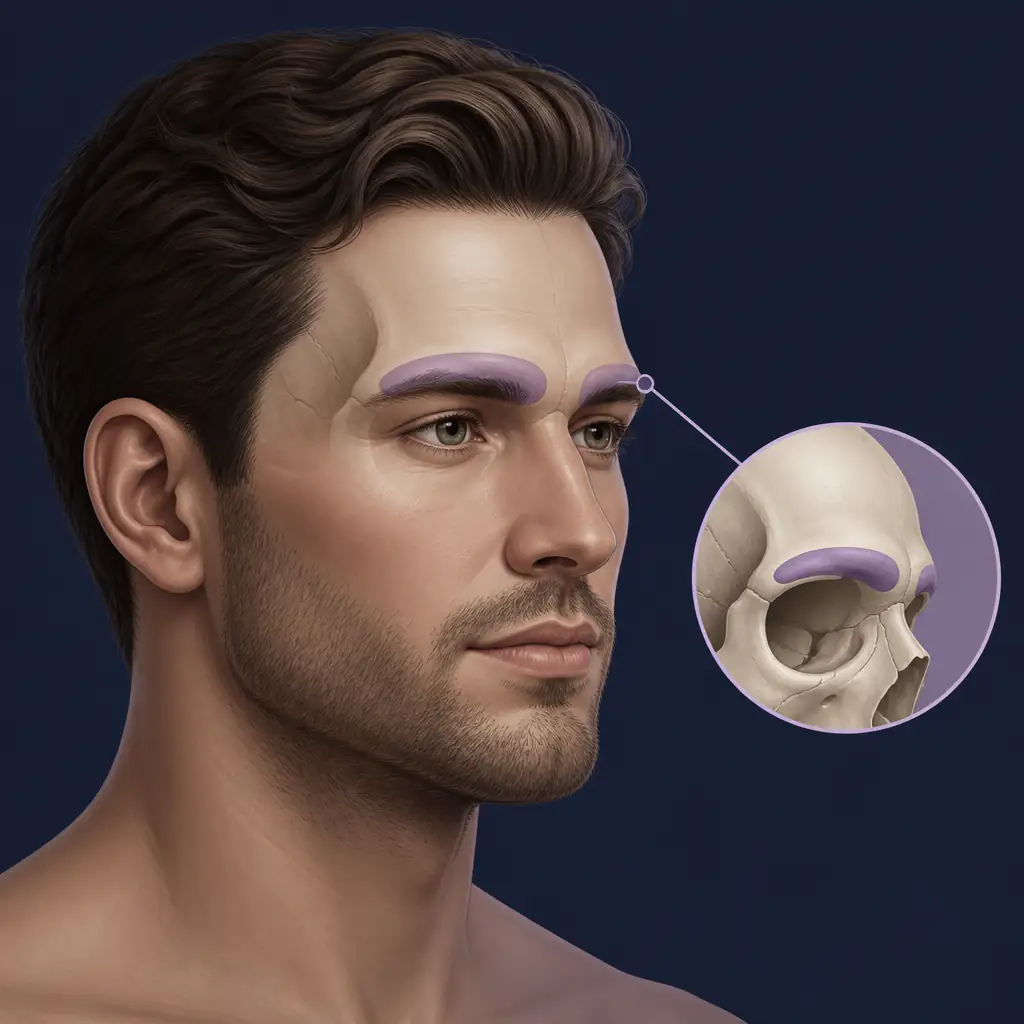
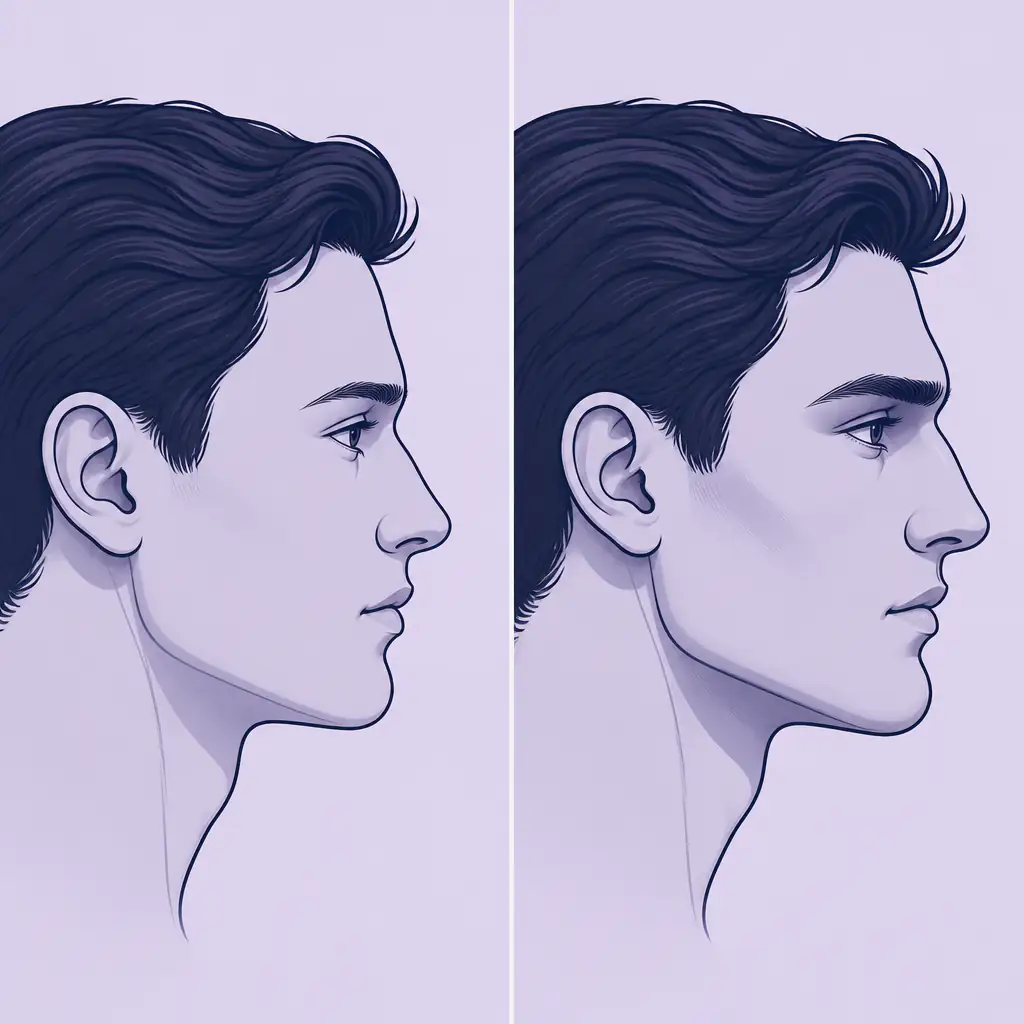
The brow ridge is one of the most structurally dominant features on a male face. A well-projected supraorbital brow gives the face a sense of depth, shadow, and bone structure that is difficult to fake with any non-surgical method. For those who feel their brow ridge is flat or underdeveloped, brow ridge implants offer one of the few ways to physically change that structure.
This guide breaks down what the procedure actually involves, who tends to pursue it, what it costs, and what the recovery looks like. If you are considering this route, read carefully and consult a qualified craniofacial or maxillofacial surgeon before making any decisions.
What Are Brow Ridge Implants?
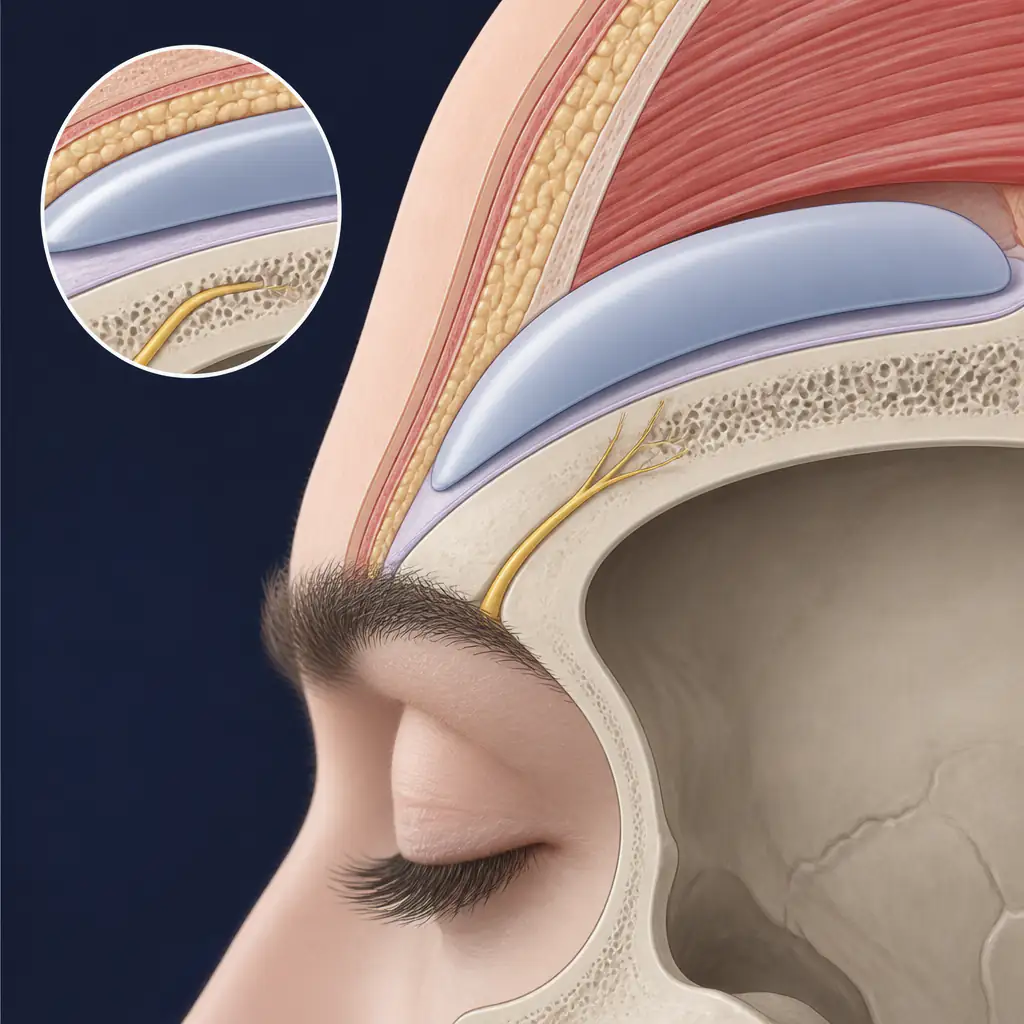
Brow ridge implants are custom-designed or semi-custom solid silicone or porous polyethylene (Medpor) implants placed over the supraorbital rim, the bony arch that sits directly above the eye socket. When placed correctly, they increase the forward projection and vertical height of this ridge, creating a more pronounced, shadow-casting brow.
This is not the same as a brow lift, which repositions soft tissue. Brow ridge implants address the underlying bone structure, or more precisely, the perceived bone structure, since the implant sits on top of the existing anatomy.
Silicone vs. Porous Polyethylene Implants
Two materials dominate this space:
- Solid silicone: Softer, easier to remove if needed, slightly higher risk of shifting over time. More commonly used.
- Porous polyethylene (Medpor): Tissue grows into the implant, making it more stable long-term. Harder to remove if complications arise.
Your surgeon’s preference, your anatomy, and the degree of projection you want will influence which material is recommended.
Who Gets Brow Ridge Implants?
Most patients are men seeking a more masculine facial profile. A flat or recessed supraorbital ridge can make the upper face look less defined, reduce the appearance of deep-set eyes, and soften the overall facial structure.
Common motivations include:
- Wanting more pronounced brow projection from the front and side profile
- Correcting asymmetry between the left and right brow ridge
- Seeking a more balanced ratio between the forehead, brow, and midface
- Post-trauma reconstruction where the brow region was damaged
Some women also pursue this procedure, though typically seeking subtler augmentation than male patients.
Before committing to a consultation, it helps to have an objective read on your current facial structure. Tools like Aura can give you a scored assessment of your facial features, including brow region analysis, so you arrive at any surgical conversation with a clearer picture of what you’re actually working with.
The Surgical Procedure Explained
Pre-Operative Planning
Most reputable surgeons use CT imaging and 3D modeling to plan brow ridge augmentation. This allows them to design an implant that fits the patient’s specific cranial anatomy rather than relying on a generic size.
Custom implants are milled to match the scans. Some surgeons use semi-custom options, which are adjusted manually during the procedure. Custom implants cost more upfront but typically produce more predictable results.
The Incision
The implant is placed through one of two incisions:
- Coronal incision: A cut made across the top of the scalp, from ear to ear, hidden within the hairline. Provides maximum surgical access but involves a longer scar and more downtime.
- Upper eyelid incision: A smaller approach through the upper eyelid crease. Less invasive, less visible scarring, but limits how much the surgeon can work with.
The choice depends on the amount of augmentation needed and the surgeon’s technique.
Placement and Fixation
Once the pocket above the supraorbital rim is created, the implant is positioned and secured. Silicone implants may be held in place with small titanium screws or rely on the pocket itself to prevent migration. Medpor implants integrate with surrounding tissue over time, providing natural fixation.
The procedure typically takes two to four hours under general anesthesia.
Costs: What to Budget For
Brow ridge implant surgery is not widely performed, which means pricing varies significantly depending on the surgeon’s specialty and location.
Rough cost breakdown:
| Component | Estimated Range |
|---|---|
| Surgeon fee | $8,000 to $20,000+ |
| Anesthesia | $1,500 to $3,000 |
| Custom implant fabrication | $2,000 to $5,000 |
| Facility fees | $1,000 to $3,000 |
| Post-op care | $500 to $1,500 |
Total all-in costs typically range from $12,000 to $30,000, depending on whether you pursue a custom or semi-custom implant and where the surgery is performed. International destinations like South Korea, Thailand, or Turkey may offer lower prices but require careful vetting of surgical credentials.
This is almost universally considered elective cosmetic surgery and is not covered by insurance unless the procedure is reconstructive in nature.
Risks and Complications
Like any surgery involving implants near the orbital region, brow ridge augmentation carries real risks. A good surgeon will discuss all of these with you thoroughly.
Common risks include:
- Asymmetry: One side may project differently than the other, sometimes requiring revision
- Implant migration: The implant shifts from its intended position, more likely with silicone in early healing
- Infection: Any implanted foreign material carries infection risk, particularly in the first weeks post-op
- Nerve damage: The supraorbital nerve runs through this region; injury can cause numbness or altered sensation in the forehead and scalp
- Scarring: Coronal incisions leave long scars, though these are usually hidden within the hairline
- Dissatisfaction with results: Projection may be too much, too little, or uneven
Revision rates for this procedure are not negligible. Choosing a surgeon with specific experience in craniofacial implant work significantly reduces, though does not eliminate, these risks.
Talk to a qualified craniofacial or maxillofacial surgeon before considering this procedure. The information in this article is educational only and does not constitute medical advice.
Recovery Timeline
Recovery from brow ridge implant surgery is more involved than most soft-tissue facial procedures.
Week 1 to 2: Significant swelling, bruising around the eyes and forehead, possible headaches. Most patients take at minimum one to two weeks off work.
Week 3 to 6: Swelling begins to reduce. The implant may feel firm or unusual under the skin. Sleeping with the head elevated is recommended.
Month 2 to 3: Most visible swelling resolves. The result starts to look more natural as tissues settle.
Month 6 to 12: Final result. Swelling in this region can linger subtly for six months to a year, so judging outcomes before then is premature.
Heavy physical activity, any contact to the face, and sun exposure to the incision sites are restricted during the early healing period.
How to Evaluate Whether This Procedure Is Right for You
Brow ridge surgery is a significant commitment. Before booking a consultation, consider a few practical steps:
- Photograph your profile honestly: Take front, side, and three-quarter photos in natural light. Assess what you are actually working with, not what you see in distorted selfie angles.
- Get an objective facial assessment: Using something like Aura can help you identify whether your brow ridge is genuinely a structural weak point or whether other features are drawing your attention to it.
- Consult multiple surgeons: Get at least two or three opinions. Ask specifically about their experience with brow and forehead implants, not general facial implants.
- Review before and after photos critically: Look for patients with a similar starting anatomy to yours. Be skeptical of results that look dramatically different in lighting or angle.
- Consider your expectations honestly: Surgery can change structure, but the psychological relationship with your appearance is a separate matter. A flat brow ridge may be more visible to you than to others.
Alternatives to Brow Ridge Implants
If surgery feels premature or the cost is prohibitive, a few alternatives are worth knowing about:
- Filler augmentation: Hyaluronic acid fillers can add some projection to the brow ridge non-surgically. Results are temporary (typically 12 to 18 months), and the amount of projection achievable is limited compared to implants.
- Fat grafting: Autologous fat (from your own body) can be injected into the region. Less predictable than implants due to variable fat survival rates.
- Forehead contouring via bone cement: Some surgeons use hydroxyapatite cement or similar materials to reshape the forehead and brow region. Less common, but an option for certain anatomies.
- Styling and grooming: Brow position and thickness affect how pronounced the ridge looks. Grooming the brows to sit slightly lower, or using products to add visual definition, can create modest optical changes.
None of these alternatives match the permanence or degree of change achievable with implants, but they may serve as a useful starting point or intermediate step.
Frequently asked questions
How long do brow ridge implants last? +
Brow ridge implants are designed to be permanent. Silicone implants can be removed or revised if needed, while porous polyethylene implants integrate with surrounding tissue and are more difficult to remove. Barring complications or a desire for revision, most patients keep them indefinitely.
Is brow ridge augmentation painful? +
The procedure is performed under general anesthesia, so there is no pain during surgery. Post-operative discomfort includes swelling, pressure around the forehead and eyes, and occasional headaches in the first one to two weeks. Most patients manage this with prescribed pain medication.
Can brow ridge implants affect vision or eye function? +
When placed by an experienced surgeon, brow ridge implants should not affect vision or eye movement. However, swelling in the early recovery period can temporarily affect how the eyes open and feel. Any persistent vision changes after recovery should be reported to your surgeon immediately.
What is the difference between brow ridge implants and a forehead implant? +
Brow ridge implants specifically target the supraorbital rim, the lower edge of the forehead just above the eyes, to increase forward projection. Forehead implants address the broader forehead surface to change its overall shape or slope. Some patients have both placed simultaneously, though this depends on individual anatomy and goals.