 Aura: Looksmaxxing
 Bimax Cost: What to Expect and Why It Varies
Understand bimax surgery cost from surgeon fees to hidden expenses. Learn what drives the price and how to plan your budget before consulting a surgeon.
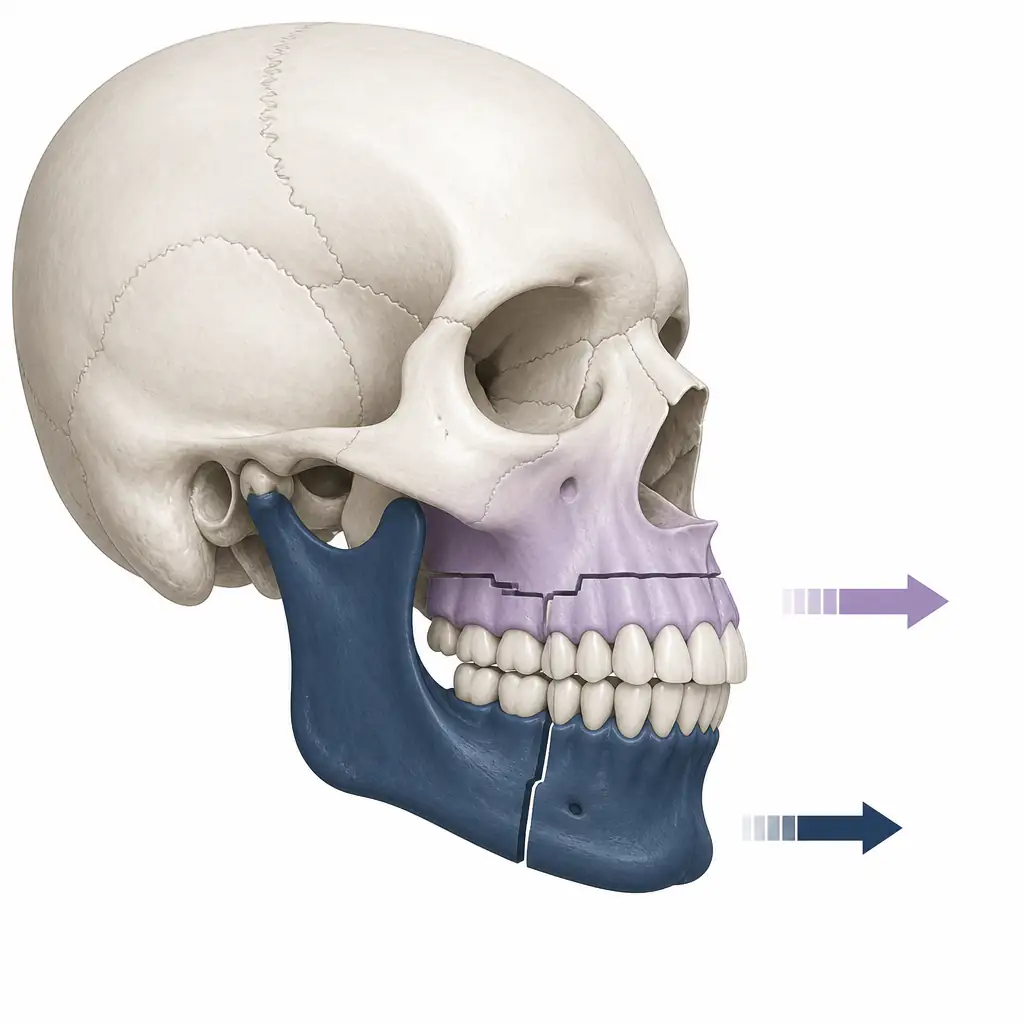
Bimaxillary osteotomy, commonly called bimax surgery, is one of the most structurally significant procedures in facial surgery. It repositions both the upper jaw (maxilla) and lower jaw (mandible) simultaneously, changing the way your teeth, airway, and facial profile relate to each other. The results can be substantial, but so can the cost.
If you are researching bimax cost, you have probably already noticed that prices vary enormously depending on geography, surgeon experience, and what is included in the quote. This guide breaks down every component of the cost, explains what drives the variation, and helps you ask better questions when you walk into a consultation.
Disclaimer: This article is for informational purposes only. Talk to a qualified oral and maxillofacial surgeon or craniofacial specialist before considering bimax surgery or any orthognathic procedure. Medical decisions should be made with a licensed professional who has reviewed your imaging and records.
What Is Bimax Surgery?
Bimax surgery is a type of orthognathic (jaw-correcting) surgery. During the procedure, a surgeon cuts and repositions both jaws, then fixes them in their new position using titanium plates and screws. The goal is usually to correct a skeletal malocclusion, meaning the jaws do not fit together the way they should.
Common reasons people pursue bimax surgery include:
- Skeletal Class III malocclusion (underbite caused by jaw structure, not just teeth)
- Skeletal Class II malocclusion (significant overbite with jaw involvement)
- Open bite where the front teeth do not meet when the back teeth are closed
- Obstructive sleep apnea in cases where jaw advancement may improve the airway
- Facial asymmetry caused by uneven jaw development
- Aesthetic goals, sometimes in combination with the functional indications above
Because bimax involves two osteotomies (bone cuts) rather than one, it is more complex, carries a longer recovery, and costs more than single-jaw surgery.
The Average Bimax Cost
In most Western countries, the all-in cost for bimax surgery ranges from roughly $20,000 to $50,000 USD when paid entirely out of pocket. In the United States, quotes often land between $25,000 and $40,000 for a reputable surgeon at an accredited facility. In the United Kingdom, private costs typically run from £15,000 to £30,000.
Medical tourism destinations such as Thailand, South Korea, Turkey, and Mexico offer bimax surgery at significantly lower prices, sometimes between $8,000 and $18,000 all-inclusive. Lower cost does not automatically mean lower quality, but it does require more research on your part.
These are estimates. Your actual quote will depend on the specific factors covered in the next section.
What Drives the Cost?
Bimax cost is not a single number. It is a sum of several components, and surgeons may quote differently depending on what they bundle together.
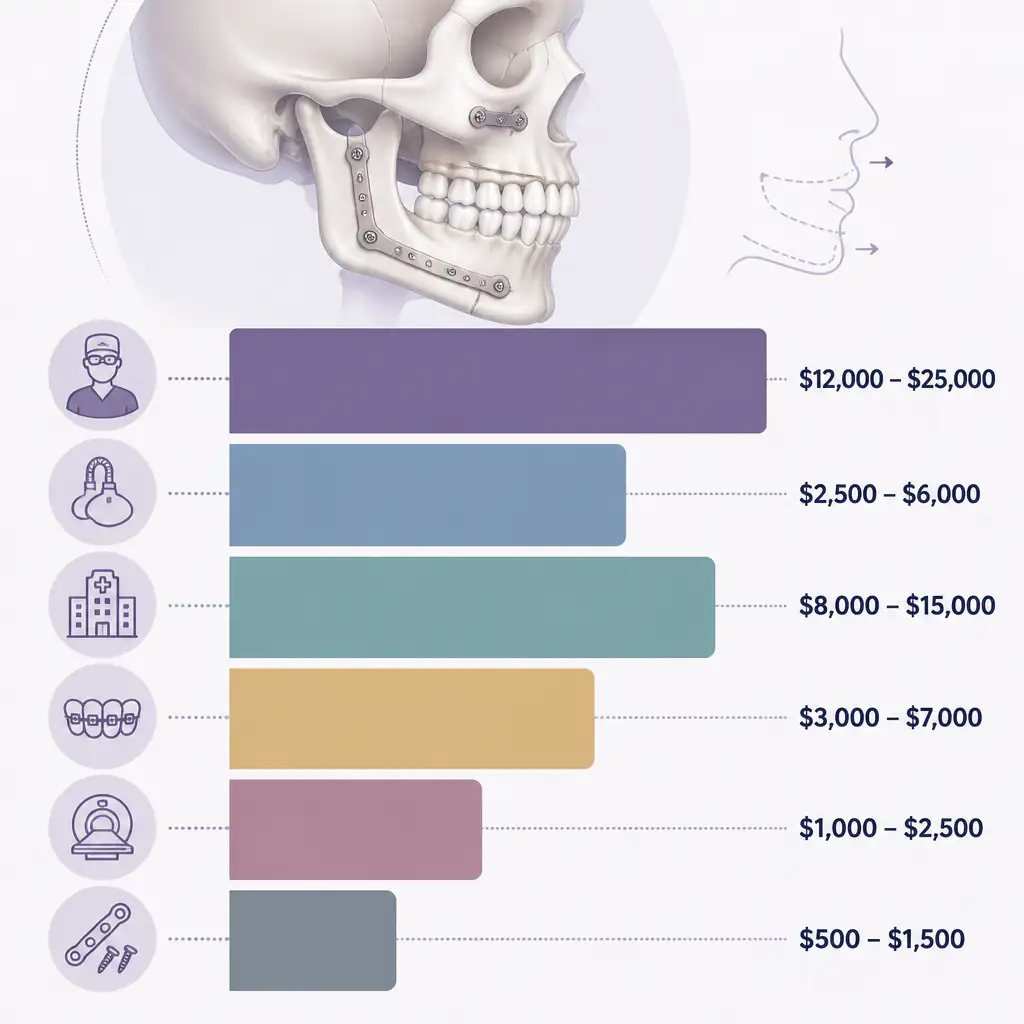
Surgeon Fees
The surgeon’s fee is usually the largest single line item, typically ranging from $8,000 to $20,000+ in the US. Surgeons who specialize exclusively in orthognathic and craniofacial work, or who practice at academic medical centers, tend to charge more. Experience matters here: a surgeon who has performed hundreds of bimaxillary procedures has a lower complication profile, which has real value.
Anesthesia
Bimax is performed under general anesthesia. The anesthesiologist charges separately in most cases, usually $1,500 to $4,000 depending on the length of the procedure. Bimax typically takes three to five hours in the operating room.
Hospital or Surgical Facility Fees
You will usually spend one to two nights in the hospital post-operatively. Facility fees cover the operating room, nursing care, recovery room, and inpatient stay. These fees range from $5,000 to $15,000 in the US.
Pre-Surgical Orthodontics
Most bimax patients need orthodontic treatment before surgery to align the teeth within each arch before the jaws are repositioned. This can add $4,000 to $8,000 if you do not already have braces or aligners, and it extends the treatment timeline by one to two years in many cases. Post-surgical orthodontic finishing is also required.
Imaging and Diagnostics
Your surgeon will need cone beam CT (CBCT) scans, cephalometric X-rays, dental models, and sometimes 3D surgical planning software. These pre-operative diagnostics typically cost $500 to $2,000.
Surgical Splints and Hardware
Titanium plates, screws, and any occlusal splints (bite guides used during surgery) are often billed separately. Expect $500 to $2,000 for hardware costs.
Post-Operative Care
Follow-up visits, any prescription medications, and potential physical therapy for jaw mobility are additional costs. Budget $500 to $1,500 for post-op management.
Insurance Coverage for Bimax
Whether insurance covers bimax surgery depends on the indication and your policy.
When insurance may cover it:
- Documented skeletal malocclusion with functional impairment (difficulty chewing, speaking, or swallowing)
- Severe obstructive sleep apnea where jaw advancement is medically indicated
- Cases where conservative treatments have failed and the condition is causing measurable harm
When insurance typically will not cover it:
- Aesthetic improvement as the primary goal
- Cases where the insurer classifies the procedure as elective
If functional indications exist, your oral surgeon will need to document the medical necessity in detail. Prior authorization is required by most insurers before surgery is scheduled. Even with insurance, you may still owe a meaningful portion through deductibles and co-insurance.
Prior to your first consultation, call your insurance company and ask specifically about orthognathic surgery coverage, any required pre-authorization steps, and what documentation they need.
Geographic Price Variation
Where you have surgery has a large impact on cost.
| Region | Estimated Out-of-Pocket Cost |
|---|---|
| United States | $25,000 to $40,000 |
| United Kingdom (private) | £15,000 to £30,000 |
| Western Europe | €18,000 to €35,000 |
| South Korea | $10,000 to $20,000 |
| Thailand | $8,000 to $15,000 |
| Turkey | $7,000 to $14,000 |
| Mexico | $8,000 to $16,000 |
These figures are approximations. South Korea, in particular, has developed a strong reputation for orthognathic surgery, with several clinics specializing heavily in facial bone work. Surgeons in Seoul frequently perform high volumes of jaw procedures, which translates to procedural experience.
If you are considering medical tourism, factor in round-trip flights, accommodation for yourself and a companion, the cost of follow-up care back home, and what happens if you experience a complication that requires revision. The savings can still be meaningful, but the calculation is more complex than comparing headline prices.
Hidden Costs People Often Overlook
Several costs catch patients off guard. Here is what to ask about upfront:
- Pre-surgical orthodontic treatment (often not included in the surgeon’s quote)
- Post-surgical orthodontic finishing (typically six to twelve months)
- 3D surgical planning fees (some practices charge separately for virtual surgical planning)
- Lost income during recovery (liquid diet and restricted activity for four to six weeks)
- Travel costs for multiple pre-op and post-op appointments
- Revision surgery (rare, but it happens, and it is expensive)
- Rhinoplasty or genioplasty (some patients add these concurrently, which changes the cost equation significantly)
Always ask for an itemized estimate, not just a total. That lets you compare quotes across surgeons accurately.
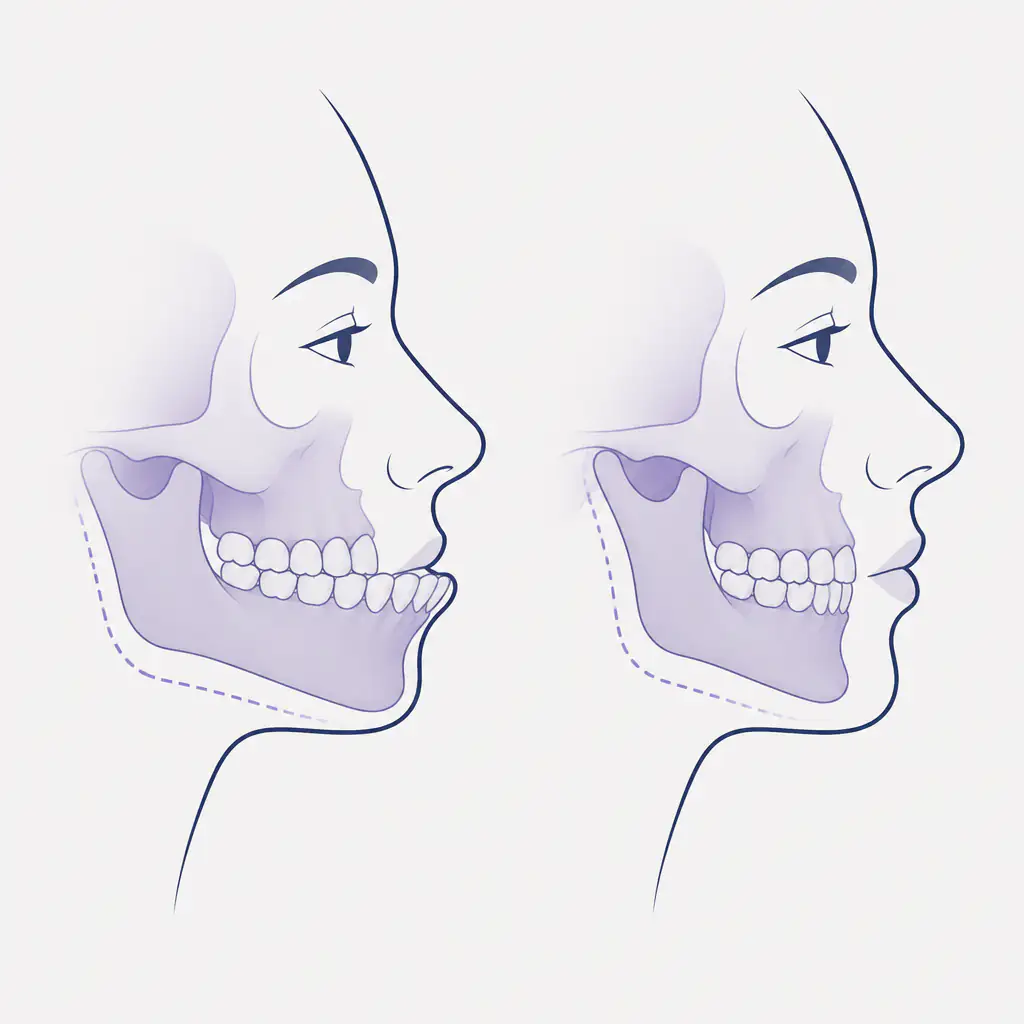
How to Evaluate Whether the Cost Is Worth It
Bimax surgery is a major financial and physical commitment. Before spending tens of thousands of dollars, it helps to be systematic about your decision.
Get Multiple Consultations
Most reputable orthognathic surgeons offer paid or free consultations. See at least two, ideally three, surgeons. Ask each one to explain what movements they would make and why, what their complication rate is for bimaxillary cases, and what is included in their quoted fee.
Understand Your Starting Point
Knowing your facial structure objectively before entering consultations helps you have more informed conversations with surgeons. Tools like Aura can give you a structured facial analysis, including jawline scoring and symmetry assessment, so you arrive at a consultation with a clearer sense of your baseline and the specific concerns you want addressed.
Ask About the Surgeon’s Volume
For a procedure this complex, volume matters. A surgeon doing bimax regularly, say twenty or more per year, will typically have better outcomes than one doing it occasionally. Ask directly how many they perform annually.
Weigh Functional vs. Aesthetic Goals
If your primary driver is functional (airway, chewing, pain), the cost-benefit calculation is different than if you are pursuing the procedure largely for aesthetic reasons. Neither is wrong, but clarity about your motivation helps you set realistic expectations.
Practical Tips for Managing Bimax Cost
- Use an HSA or FSA if available. Orthognathic surgery that is medically indicated typically qualifies for health savings account spending.
- Ask about payment plans. Many surgical practices offer financing through third-party providers. Interest rates vary significantly, so compare options.
- Check academic medical centers. Teaching hospitals affiliated with dental schools sometimes offer lower rates, with attending surgeons supervising residents.
- Get the full orthodontic treatment plan in writing before committing, including both pre-surgical and post-surgical phases.
- Request itemized quotes from every provider, not just the surgeon but the anesthesiologist and facility separately if possible.
- Build a contingency fund. Plan for 10 to 15 percent above your quoted total to cover unexpected costs.
If you are still in the early stages of evaluating whether bimax is the right direction for you, getting an objective read on your facial structure can be a useful first step. Aura provides AI-based analysis of jaw projection, facial symmetry, and other structural features, which can help you frame your concerns more precisely before a clinical consultation.
Summary
Bimax surgery is one of the more expensive elective or semi-elective facial procedures available, with total costs commonly ranging from $20,000 to $50,000 in high-cost markets. The price is driven by surgeon fees, facility costs, anesthesia, hardware, and the significant orthodontic treatment that surrounds the surgery itself.
Insurance may cover a meaningful portion if functional indications are well-documented. Medical tourism can reduce costs substantially but introduces logistical and safety considerations worth weighing carefully.
The most important thing you can do before committing financially is get multiple in-person consultations with qualified oral and maxillofacial surgeons, ask detailed questions about what is included in each quote, and make sure your goals, whether functional, aesthetic, or both, are clearly understood by the team treating you.
Frequently asked questions
What is the average cost of bimax surgery? +
The total out-of-pocket cost for bimax surgery in the United States typically ranges from $25,000 to $40,000, including surgeon fees, anesthesia, facility costs, and hardware. Prices are lower in medical tourism destinations like South Korea or Turkey, where all-inclusive packages may range from $8,000 to $18,000.
Does insurance cover bimaxillary osteotomy? +
Insurance may cover bimax surgery when it is medically necessary, such as for documented skeletal malocclusion causing functional impairment or severe obstructive sleep apnea. Purely cosmetic cases are generally not covered. Prior authorization and thorough documentation from your surgeon are required.
Is pre-surgical orthodontic treatment included in the bimax surgery quote? +
Usually not. Most surgeon quotes cover the surgical procedure itself. Pre-surgical orthodontics, which can last one to two years and cost $4,000 to $8,000 separately, is typically billed by an orthodontist. Always ask for an itemized estimate so you understand exactly what each quote includes.
How long does recovery from bimax surgery take? +
Most patients follow a liquid or soft diet for four to six weeks and take two to four weeks off work depending on their job. Swelling can persist for three to six months, and final bony healing typically takes six to twelve months. Post-surgical orthodontic treatment continues for several months after the procedure.