 Aura: Looksmaxxing
 Before and After Accutane Pictures: What to Expect
See what before and after accutane pictures really show, what changes are typical, and what factors influence your results on isotretinoin.
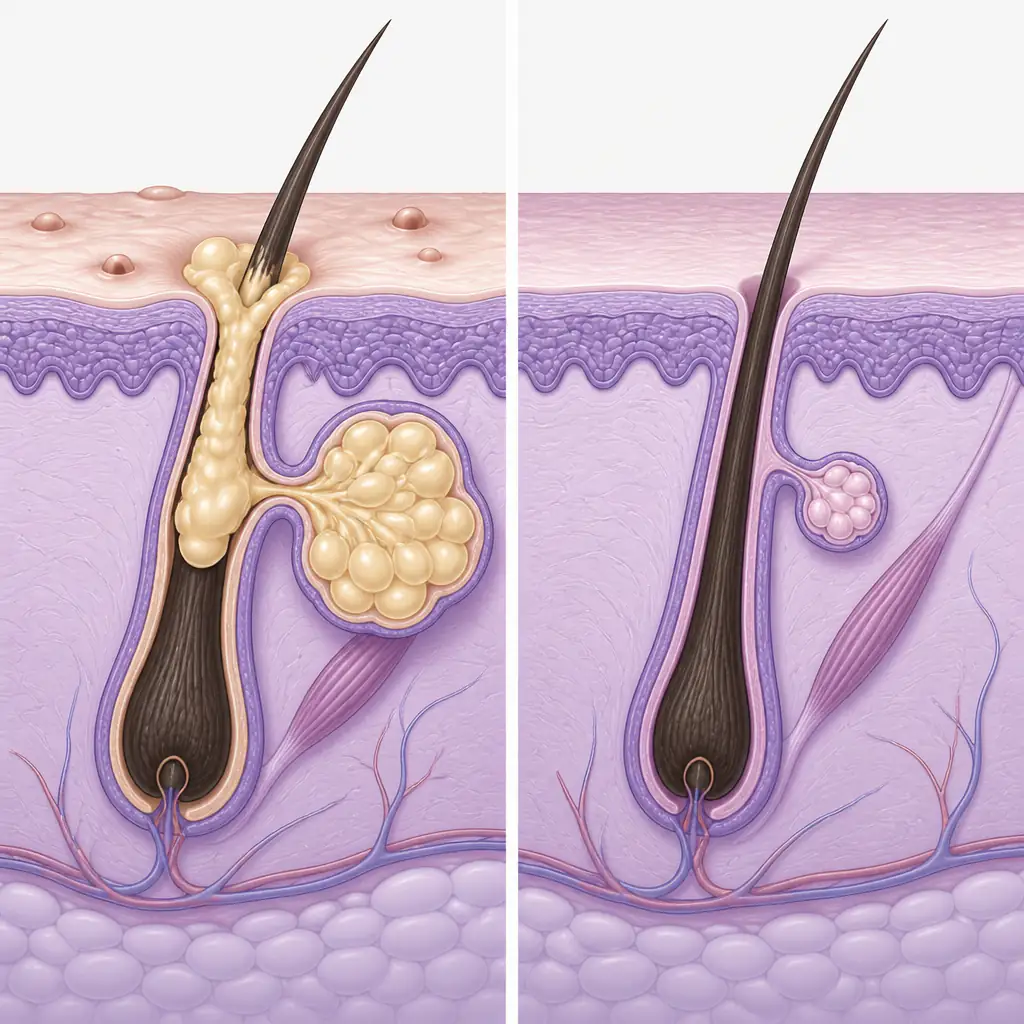
If you’ve spent any time searching for before and after accutane pictures, you’ve probably noticed the range is enormous. Some people post near-complete clearance after a single course. Others show modest improvement with lingering post-inflammatory hyperpigmentation (PIH). That variance is not random, and understanding what drives it will help you set realistic expectations before you ever fill a prescription.
This article walks through what typical results actually look like, what the skin is doing biologically during treatment, which factors determine your outcome, and how to document your own progress accurately.
Medical disclaimer: Isotretinoin (the active ingredient in Accutane and its generics) is a prescription-only medication with significant potential side effects. Nothing in this article constitutes medical advice. Talk to a qualified dermatologist before considering this treatment.
What Isotretinoin Actually Does to Your Skin
Isotretinoin is a retinoid, a derivative of vitamin A. It works through four primary mechanisms that target the root causes of acne rather than just suppressing symptoms:
- Sebaceous gland shrinkage. Isotretinoin causes the oil-producing glands in your skin to shrink dramatically, sometimes by up to 90 percent during treatment. Less sebum means less of the anaerobic environment that Cutibacterium acnes bacteria thrive in.
- Reduced keratinocyte cohesion. Your skin cells (keratinocytes) stop sticking together inside follicles, which prevents the plugs that form comedones (blackheads, whiteheads) in the first place.
- Anti-inflammatory action. The drug modulates inflammatory pathways, reducing the red, painful nodules and cysts that cause the most scarring.
- Bacterial load reduction. By cutting off the sebum supply, C. acnes populations drop significantly, though the bacteria are never fully eliminated.
The result, when the course works well, is skin that stops producing the conditions acne requires. That is why before and after accutane pictures often look so dramatic: the change is systemic, not just topical.
What a Typical Course Looks Like Month by Month
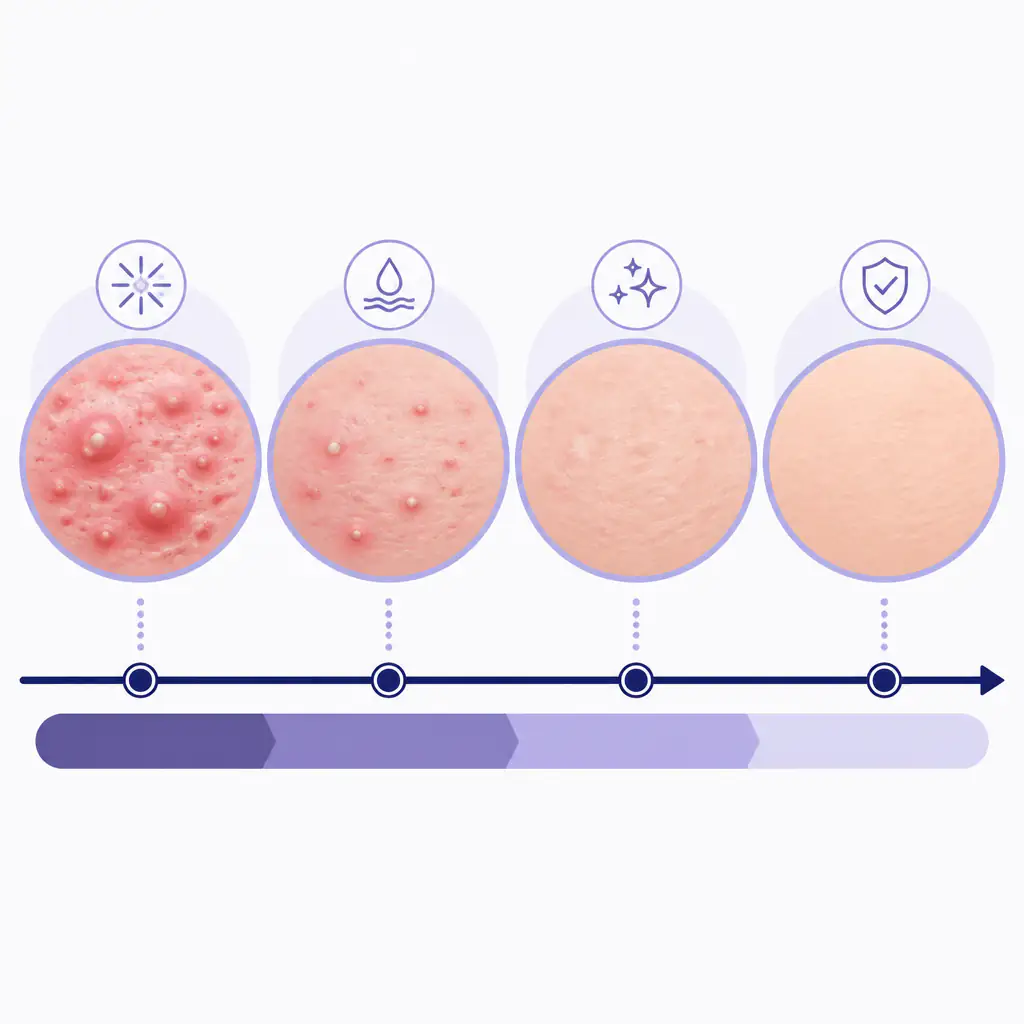
Most courses run four to six months, though some patients are on treatment for longer. Here is a rough timeline based on what is commonly reported and documented in clinical literature:
Months 1 to 2: The Initial Purge
Many patients experience an initial flare in the first four to eight weeks. This is often called the purge, and before and after accutane pictures taken during this phase can look worse than the starting point. The skin is turning over faster, existing microcomedones are being expelled, and inflammation can spike. This phase discourages a lot of people, but it is generally temporary.
Dryness and chapping usually begin here too. The lips are almost universally affected due to the drop in sebum production.
Months 3 to 4: Visible Clearing Begins
This is the phase where most people start to see meaningful improvement. Active breakouts slow down. Existing lesions flatten. The skin may still look red or uneven due to post-inflammatory marks left behind from healed acne, but the active lesions are decreasing.
Before and after accutane pictures taken at this milestone often show the most encouraging side-by-side contrast, though the final result is not yet visible.
Months 5 to 6 (and Beyond): Consolidation
Active acne is typically minimal to absent for patients who respond well. The primary visible issues at this stage are residual scarring and hyperpigmentation, which are not directly treated by isotretinoin itself. These may continue to fade for six to twelve months after the course ends.
Why Before and After Accutane Pictures Vary So Much
When you look at a collection of before and after accutane pictures online, the outcomes range from life-changing clearance to modest improvement to relapse after a year. Several variables explain this spread:
Cumulative Dose
Dermatologists typically target a cumulative dose of 120 to 150 mg per kilogram of body weight. Research suggests that patients who reach or exceed this threshold have lower relapse rates. Patients who stop early, either due to side effects or personal choice, may see their acne return more quickly.
Acne Subtype
- Nodular and cystic acne responds very well to isotretinoin in most cases.
- Hormonal acne, particularly in adult women with cyclical patterns, may respond partially but often requires additional hormonal intervention.
- Comedonal acne (primarily blackheads and whiteheads) can respond, but the mechanism differs and results may be slower.
Genetics and Sebaceous Gland Activity
Some individuals have sebaceous glands that rebound more aggressively after treatment ends. This is largely genetic. Before and after accutane pictures from people who required a second course often show excellent initial results followed by partial relapse, not a failure of the drug but a reflection of individual biology.
Scarring vs. Active Acne
Isotretinoin clears active acne. It does not resurface scars, fill in atrophic (depressed) scars, or reliably fade hyperpigmentation. Many before and after accutane pictures that look underwhelming are actually showing good clearance of active lesions, but the residual texture and tone changes remain. Managing expectations around this distinction matters.
How to Document Your Own Progress Accurately
If you are starting a course of isotretinoin, taking consistent progress photos is genuinely useful, both for your own reference and for discussions with your dermatologist. Poor documentation leads to inaccurate comparisons.
Practical tips for consistent photos:
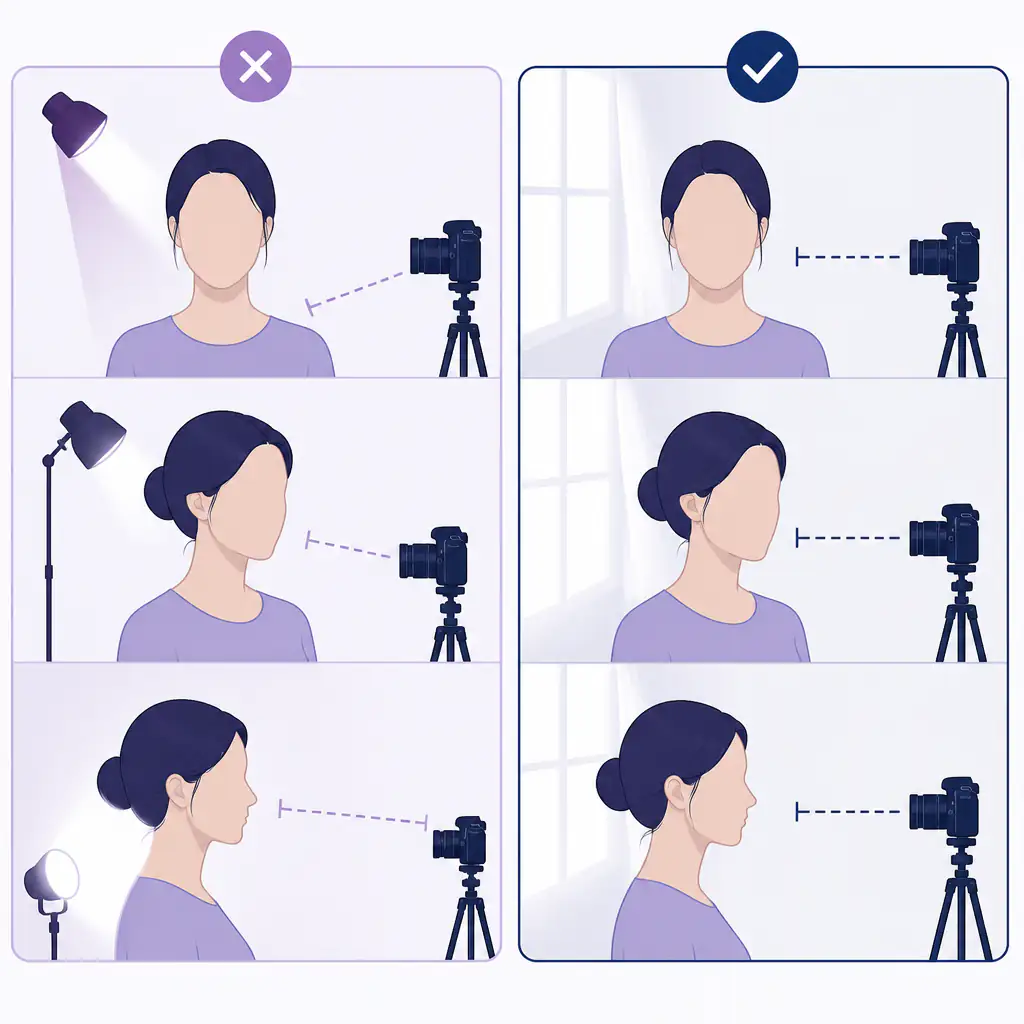
- Use the same lighting source every time. Natural window light (not direct sun, not harsh overhead bulbs) is most neutral.
- Shoot at the same time of day. Skin appearance shifts with hydration, sleep, and inflammation levels throughout the day.
- Keep the camera distance and angle identical. Mark a spot on the floor if needed.
- Photograph three angles: straight on, left three-quarter profile, right three-quarter profile.
- Take photos at baseline, then monthly throughout treatment, and at three, six, and twelve months after finishing.
For people who want a structured baseline assessment that goes beyond acne, Aura provides AI-powered facial analysis including skin texture evaluation, symmetry scoring, and a full PSL rating. Running an analysis before starting treatment gives you objective data to compare against post-treatment results rather than relying entirely on subjective memory.
What Happens After the Course Ends
The skin continues to change for months after the last dose. Sebaceous glands gradually recover some activity. Post-inflammatory marks continue to fade as the skin cycles through natural cell turnover (approximately 28 to 40 days per cycle).
For patients with residual scarring, common post-accutane interventions include:
- Chemical peels (glycolic, salicylic, or TCA) to address surface texture and mild PIH.
- Microneedling to stimulate collagen remodeling in atrophic scars.
- Laser resurfacing (fractional CO2 or erbium) for deeper scar revision.
- Topical retinoids at lower doses to maintain skin turnover.
Most dermatologists recommend waiting at least six months after finishing isotretinoin before pursuing laser or ablative procedures, as the skin may still be healing and more sensitive to trauma.
Reading Before and After Accutane Pictures Critically
Not every before and after accutane picture you find online tells an honest story. Here is how to read them more accurately:
- Check lighting consistency. A dramatic change can be manufactured by shooting the “before” under harsh overhead light and the “after” in soft diffuse lighting.
- Look at the timeframe. A photo taken one month post-course may look great, but the same person at eighteen months may show relapse.
- Distinguish active acne from scarring. If the “after” photo shows clear skin with textural irregularities, the drug worked on active acne but scars remain.
- Consider makeup and editing. Even well-intentioned posters sometimes edit color or smooth texture in their after shots.
- Look for consistent angles and distances. Different angles can make the same level of acne look dramatically better or worse.
The most useful before and after accutane pictures are those with consistent lighting, multiple angles, and follow-up data at six to twelve months post-treatment. Single snapshots taken immediately after a course ends do not capture the full picture.
Setting Realistic Expectations
Isotretinoin has one of the strongest evidence bases of any acne treatment. Research consistently shows clearance rates of 85 percent or higher for appropriate candidates, with a meaningful percentage achieving long-term remission after a single course. Those are genuinely strong numbers for a skin condition that resists so many other interventions.
At the same time, it is not a guaranteed permanent cure, it carries real side effects (particularly teratogenicity, meaning it causes severe birth defects and requires strict pregnancy prevention protocols), and it works best when prescribed and monitored by a dermatologist who understands your specific case.
If you are trying to assess where your skin and overall facial profile stand before committing to treatment, an objective starting point helps. Aura offers detailed facial scoring across multiple traits, so you can track the actual before-and-after impact of any skincare intervention, including isotretinoin, with data rather than guesswork.
The most useful thing before and after accutane pictures can do is show you the realistic range of outcomes, not the best-case scenario, not the worst. Go in informed, document consistently, and work with a qualified dermatologist to determine whether isotretinoin is appropriate for your situation.
Frequently asked questions
How long does it take to see results in before and after accutane pictures? +
Most people begin to see meaningful clearing between months three and four. The initial two months may include a purge phase where skin temporarily looks worse. The most accurate before and after comparison should be made at six to twelve months after the course ends, not immediately after finishing.
Does accutane clear acne scars as well as active pimples? +
No. Isotretinoin targets active acne by shrinking sebaceous glands and reducing inflammation. It does not fill atrophic (depressed) scars or reliably fade post-inflammatory hyperpigmentation. Scar treatment typically requires separate procedures like microneedling or chemical peels, usually after a waiting period of at least six months post-course.
What percentage of accutane users see long-term clearance? +
Research suggests that approximately 85 percent of patients see significant clearance during a course, and a meaningful proportion, often cited around 40 to 50 percent in longer-term studies, achieve lasting remission after a single course. Patients who complete the full cumulative dose tend to have better relapse-free outcomes.
Why do some before and after accutane pictures look more dramatic than others? +
Several factors create variation: starting acne severity, cumulative dose reached, acne subtype, individual genetics, and the quality of photo documentation. Lighting and angle inconsistencies between before and after shots can also exaggerate or diminish the apparent difference. Always evaluate results across multiple consistent photos rather than a single comparison shot.