 Aura: Looksmaxxing
 Are Hooded Eyes Attractive? The Honest Answer
Hooded eyes attractive or not? Discover what research and perception studies say, plus practical tips to enhance this common eye shape.
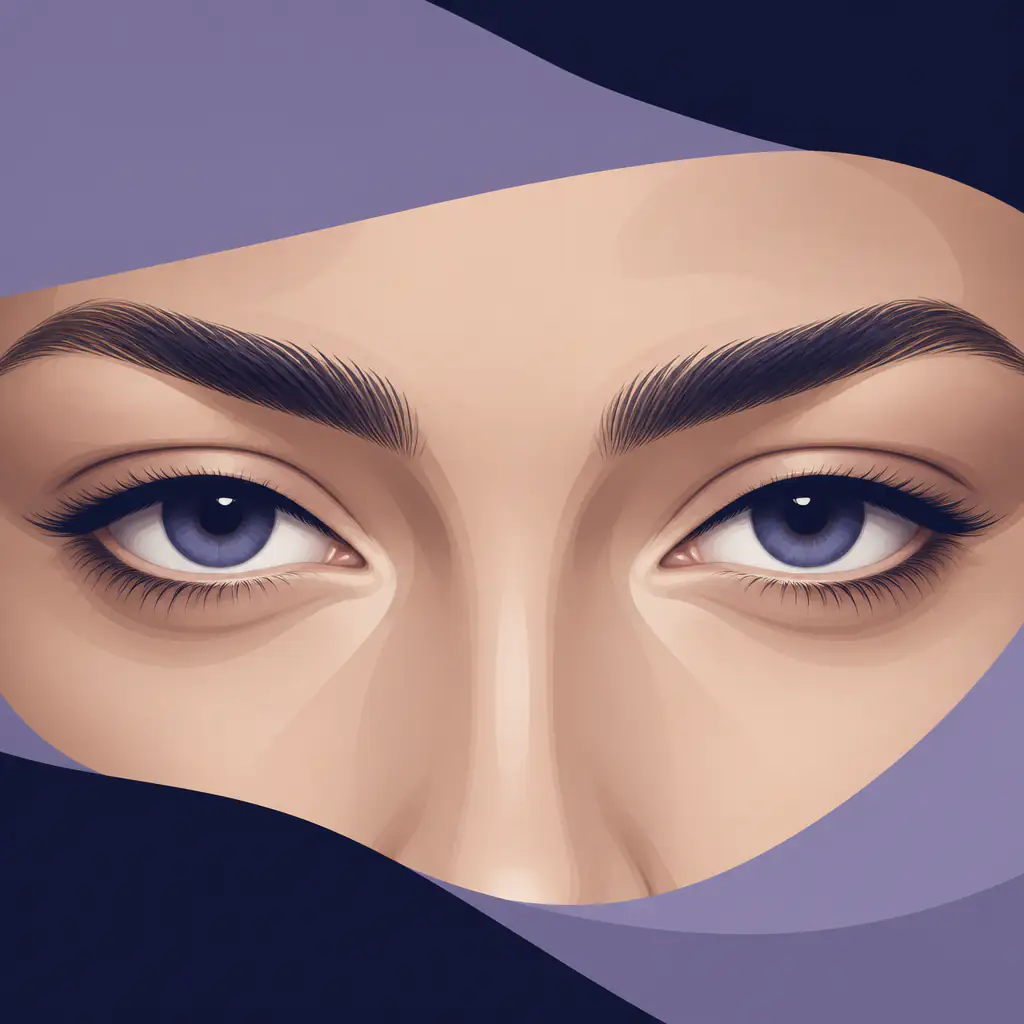
Hooded eyes are one of the most common eye shapes on the planet, yet they attract more anxiety than almost any other facial feature. People with them often ask whether they look tired, less alert, or simply less attractive than those with more visible lids. The honest answer is more nuanced than a yes or no, and understanding the full picture will help you work with this feature rather than against it.
What Are Hooded Eyes, Exactly?
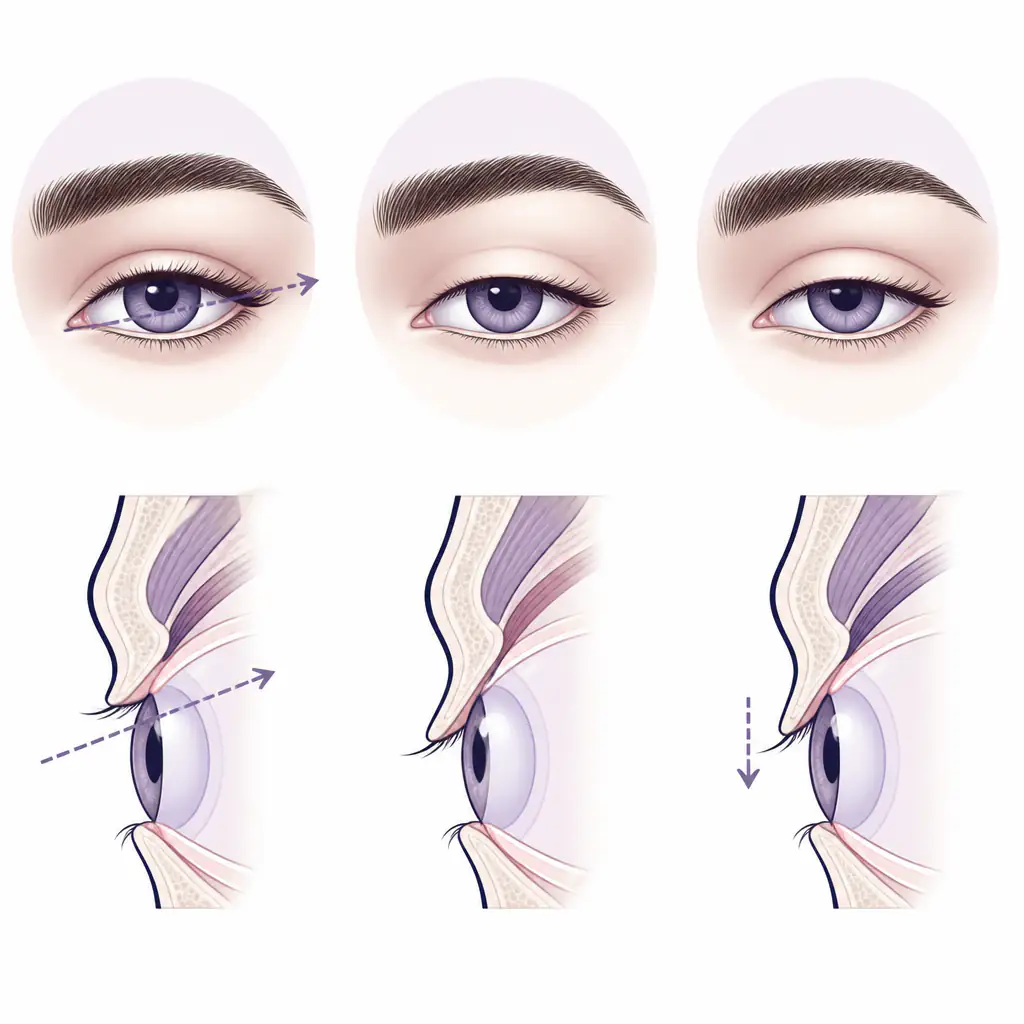
Hooded eyes are defined by a fold of skin that descends from the brow bone and partially or fully covers the mobile eyelid. When the eye is open, little to none of the upper eyelid crease is visible. The degree varies considerably:
- Mildly hooded: A small fold covers the outer third of the lid, leaving the crease partially visible.
- Moderately hooded: The fold sits at or near the lash line, hiding most of the crease.
- Heavily hooded: The skin extends over the entire lid, sometimes touching the upper lashes.
This trait has a genetic basis and is influenced by ethnicity, age, and individual anatomy. It is extremely prevalent in East Asian populations (often described separately as a monolid or epicanthal fold variant), but it also appears across European, Middle Eastern, African, and Latin American backgrounds. Calling it rare or unusual is simply inaccurate.
The Perception Research on Hooded Eyes
Attractive faces are generally associated with a handful of measurable traits: symmetry, sexual dimorphism, averageness, and clear skin. Eye shape, somewhat surprisingly, plays a smaller independent role than most people assume.
What research on facial attractiveness does highlight is the importance of limbal ring prominence (the dark ring around the iris), scleral whiteness, and the ratio of iris exposure to total eye height. Hooded eyes can score well or poorly on all three of these dimensions depending on the individual, which means the hood itself is not the determining variable.
Some perception studies suggest that a slight brow-to-lid shadow created by a hooded structure actually adds a smoldering or intense quality to the gaze. This is sometimes described in the PSL (Physical Superiority Level) community as “hunter eyes”, a term for eyes that appear deep-set and forward-gazing rather than round and wide-open. Hunter eyes are generally rated as more masculine and dominant, and a mild hood contributes to that appearance.
The takeaway from the research is straightforward: hooded eyes are not inherently unattractive. Their impact on perceived attractiveness depends almost entirely on surrounding features and how they are presented.
Hunter Eyes vs. Droopy Eyes: An Important Distinction
This is the distinction that matters most when evaluating hooded eyes aesthetically.
Hunter eyes have a deep orbital rim, a slightly low brow, and a compact vertical eye aperture. The upper lid appears tucked under the brow, and the gaze looks forward and level. Many actors and models considered conventionally attractive have this structure. The hood here works in concert with bone structure.
Droopy eyes (clinically called ptosis) involve the upper eyelid margin itself falling too low, often covering part of the iris. The result reads as tired, sad, or asymmetric. This is a distinct anatomical situation from hooding, though the two can coexist.
The practical implication: if your hooding is the result of a strong, prominent brow bone and orbital rim, you likely benefit aesthetically from it. If the droopiness comes from weak lid elevation (the levator muscle), it may be worth addressing separately. A qualified ophthalmologist or oculoplastic surgeon can distinguish the two.
Why Some Hooded Eyes Read as More Attractive Than Others
Beyond the hunter-eye distinction, several factors shape how hooded eyes are perceived:
Brow Position and Arch
A well-defined brow that sits at or just above the orbital rim frames hooded eyes cleanly. When the brow is sparse, flat, or set very low, the hood looks heavier and less intentional. Grooming and, where appropriate, brow lamination or tinting can make a significant difference.
Facial Thirds Balance
Hooded eyes that sit within well-proportioned facial thirds (the hairline-to-brow, brow-to-nose-base, and nose-to-chin segments being roughly equal) read as normal and attractive. When the midface is long or the brow sits unusually low, the hood draws more negative attention simply because of context.
Lateral Canthal Tilt
The outer corner of the eye, called the lateral canthus, ideally sits at the same height as or slightly above the inner corner (medial canthus). A positive canthal tilt (outer corner higher) is broadly associated with attractiveness. Hooded eyes with a positive tilt tend to read as sharp and appealing. A negative tilt (outer corner lower) amplifies the tired appearance.
Iris Color and Contrast
High contrast between iris and sclera draws attention into the eye regardless of lid shape. Hooded eyes with vivid or deeply pigmented irises and bright whites are generally rated more attractive than the same eye shape with low contrast.
How to Enhance Hooded Eyes Without Surgery
If you want to optimize how your eyes look, there are several evidence-informed, non-surgical approaches worth considering.
Makeup and Grooming
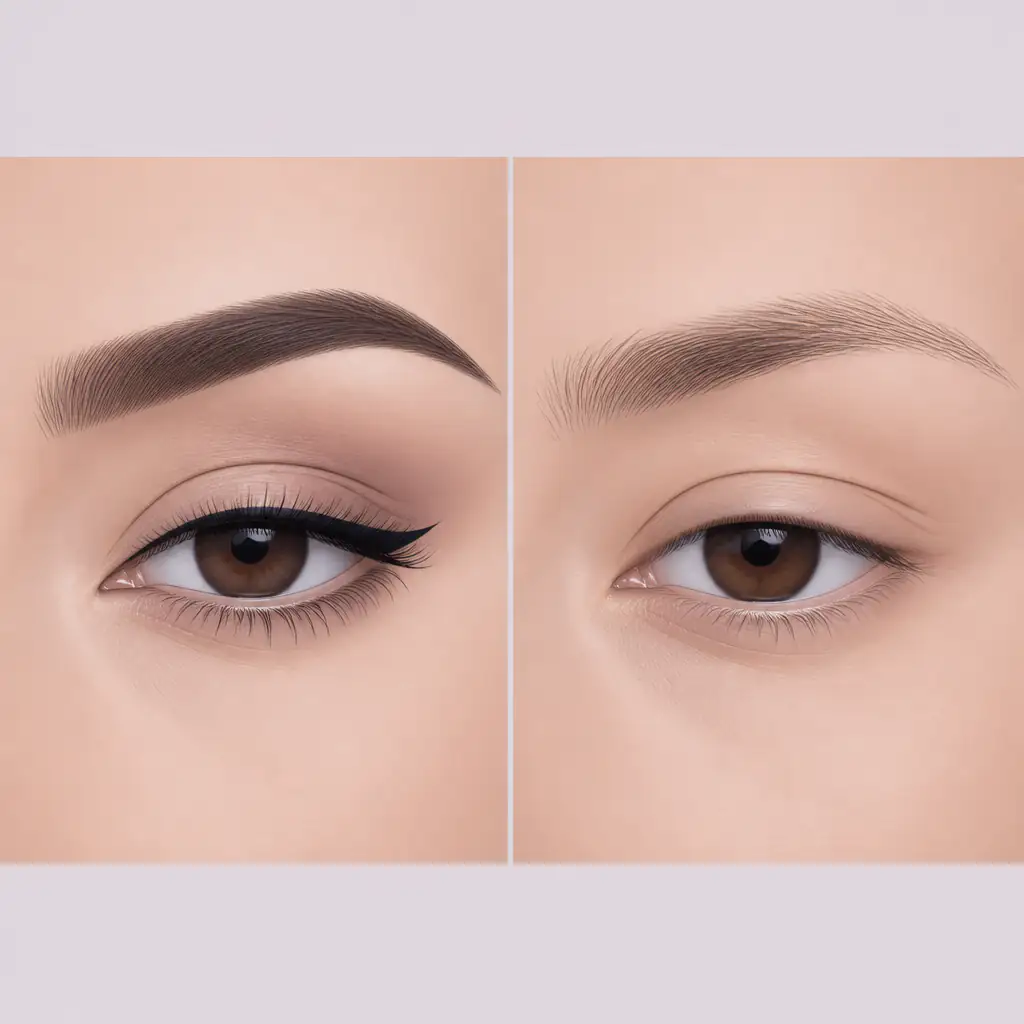
- Apply eyeliner slightly above the natural lash line rather than on it. This prevents the liner from disappearing under the fold.
- Use matte transition shades on the mobile lid (whatever is visible when the eye is open) and apply shimmer or highlight only where it actually shows.
- Avoid heavy product on the brow bone, which emphasizes the hood’s weight.
- Keep brows defined. Fuller, structured brows lift the visual weight of the eye area.
Skincare for the Eye Area
Excess fluid retention can make hooding look heavier. Consistent sleep, sodium reduction, and cold compresses in the morning may help reduce puffiness that compounds the hooded appearance. Some users report that caffeine-containing eye creams reduce visible puffiness, though results vary and long-term evidence is limited.
Posture and Head Position
Forward head posture tilts the orbital area downward, which makes any hood appear heavier. Addressing posture through strengthening the deep cervical flexors and thoracic extensors improves overall facial presentation. This is a small factor but a real one.
Facial Fat Distribution
Low body fat tends to reduce the soft tissue volume sitting above the orbital rim, which can lessen the appearance of hooding in some individuals. This is not universally true, as some hooding is purely skeletal, but it is a factor for those with higher overall facial fat.
When to Consider a Professional Consultation
If your hooding is severe enough to interfere with your vision, you may qualify for a functional blepharoplasty (upper eyelid surgery) covered under some insurance plans. If the concern is purely cosmetic, an oculoplastic surgeon or board-certified plastic surgeon can walk you through options including blepharoplasty and brow lifting procedures.
Talk to a qualified medical professional before considering any surgical or injectable intervention for this area. Results, recovery, and risks vary significantly based on individual anatomy and surgeon skill.
Non-surgical options such as thread lifts or neuromodulators (like botulinum toxin injected into the depressor muscles of the brow) can produce a subtle lift in some cases. These also require a professional consultation to determine candidacy.
Getting an Objective Read on Your Eye Shape
One challenge with self-assessment is that most people are not good judges of their own facial features. Mirrors reverse your image, lighting varies, and familiarity bias makes it hard to see yourself accurately. If you want a structured breakdown of your eye shape, canthal tilt, and how your overall facial geometry affects the perception of your eyes, Aura provides AI-based analysis including hunter-eye detection and PSL scoring based on your actual photos. It is a useful starting point before making any decisions about grooming changes or professional consultations.
The Bottom Line on Hooded Eyes and Attractiveness
Hooded eyes are not a flaw to be corrected. They are a normal and extremely common anatomical variation that has been present across all human populations throughout history. Whether they read as attractive depends far more on the surrounding bone structure, brow position, canthal tilt, and overall facial harmony than on the hood itself.
Well-structured hooded eyes frequently read as intense, mysterious, or striking, qualities that score well in attractiveness research and in common perception. Heavily hooded eyes with poor canthal tilt and weak bone support present more challenges, but even then, non-surgical strategies can meaningfully improve the presentation.
Understand your specific anatomy, focus on the variables you can control, and make decisions from a grounded place rather than from anxiety about a single feature.
Frequently asked questions
Are hooded eyes considered attractive by most people? +
Research on facial attractiveness does not single out hooded eyes as a negative trait. Perception depends heavily on surrounding features like brow position, canthal tilt, and overall facial structure. Many faces considered conventionally attractive have some degree of hooding, particularly when it contributes to a deep-set, intense gaze.
What is the difference between hooded eyes and hunter eyes? +
Hunter eyes refer to eyes that appear deep-set and forward-gazing, typically the result of a prominent orbital rim and a compact vertical eye aperture. Hooded eyes describe a skin fold that covers the eyelid crease. The two can overlap, and when they do, the result is often rated as striking or masculine. Not all hooded eyes qualify as hunter eyes.
Can hooded eyes become less hooded without surgery? +
In some cases, yes. Reducing facial puffiness through sleep, hydration, and sodium reduction may lessen the appearance of hooding caused by soft tissue volume. Brow grooming and strategic makeup can also make the hood appear less prominent. Structural hooding caused by the brow bone itself cannot be changed without surgery.
Do hooded eyes get worse with age? +
They often do to some degree. As skin loses elasticity and subcutaneous fat redistributes, the fold tends to descend further. This is one reason upper blepharoplasty is among the most common cosmetic procedures in older adults. Early attention to skin health and sun protection may slow this progression, though it cannot stop it entirely.