 Aura: Looksmaxxing
 What Is Looksmax? The Complete Guide
Learn what looksmax means, why it matters, and how to apply evidence-based techniques to improve your appearance starting today.
What Looksmaxxing Actually Means
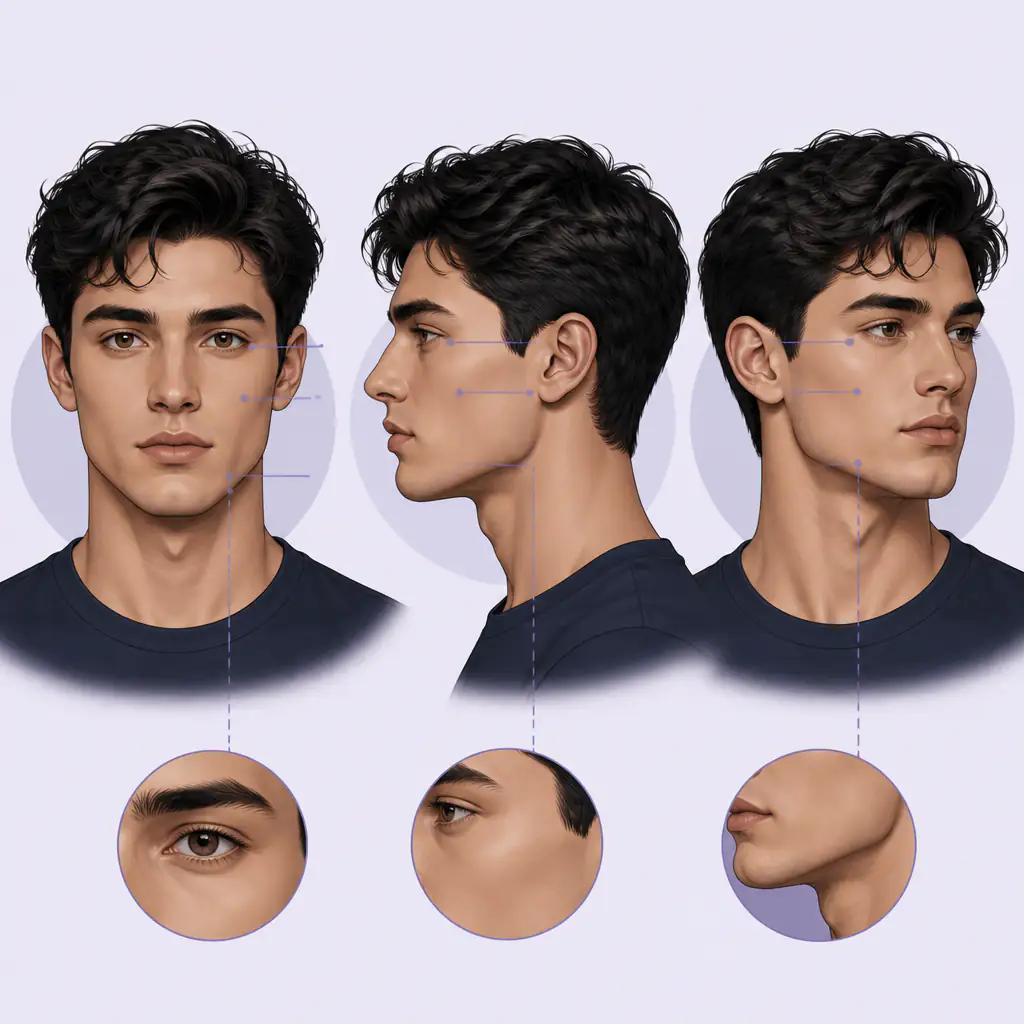
Looksmaxxing, often shortened to looksmax, refers to the systematic practice of improving your physical appearance using evidence-informed methods. The word blends “looks” with “maximizing,” and that framing is fairly literal: the goal is to identify every controllable variable that affects how you look and optimize as many of them as possible.
This is not about vanity for its own sake. Research in social psychology consistently shows that perceived attractiveness influences first impressions, confidence, and even how others respond to you in professional settings. Looksmaxxing takes those findings seriously and asks: if these things matter, why not be intentional about them?
The practice spans a wide spectrum. At one end you have basic grooming, better sleep, and posture correction. At the other end you find people discussing jaw surgery, hormonal optimization, and facial bone structure. Most people engage somewhere in the middle, focusing on achievable, low-cost changes that compound over time.
Where the Term Comes From
The vocabulary around looksmaxxing developed largely in online communities, particularly forums where men discussed physical self-improvement in detail. A looksmax forum environment typically involves rating appearances using a numerical framework called the PSL scale, named after three online personas associated with early discussions on the topic.
Terms like looksmax meme also emerged from these spaces, often satirizing the more extreme corners of the community or highlighting the absurdity of hyper-analyzing features most people never consciously notice. The meme culture around looksmaxxing has made the concept more mainstream, which is partly why searches for “looksmax” have grown steadily.
The community side of looksmaxxing, sometimes referenced as org looksmaxxing in search contexts, represents a specific online culture with its own language and rating systems. It is worth knowing that culture exists, but the practical value of looksmaxxing does not depend on participating in it.
The Science Behind Facial Attractiveness
Looksmaxxing is grounded, at least in part, in real research. Several features are consistently associated with perceived attractiveness across cultures:
- Facial symmetry. Studies suggest that symmetry serves as a rough proxy for developmental health. Even small improvements in perceived symmetry, through haircut, grooming, or correcting postural asymmetries, can shift how others read your face.
- Sexual dimorphism. Clear masculine or feminine features tend to be rated more attractive within their respective categories. In males, this often means a defined jawline, prominent brow ridge, and lower body fat percentage around the face.
- Skin quality. Texture, tone, and clarity are among the first things people perceive. Skin is also one of the most modifiable features with consistent effort.
- Hunter eyes vs. prey eyes. This term, popular in looksmaxxing communities, refers to the vertical positioning and tilt of the eyes. A slight downward tilt and deeper orbital area are associated with a more dominant, attractive appearance in men. Mewing, sleep position, and body fat all interact with how this reads.
- Periorbital area. Dark circles, puffiness, and scleral show (how much white of the eye is visible below the iris) all affect the overall impression of your eyes.
None of these features exists in isolation. Looksmaxxing works best when you assess the whole face rather than fixating on a single trait.
Softmaxxing vs. Hardmaxxing: Know the Difference
Practitioners generally split techniques into two categories.
Softmaxxing
Softmaxxing covers everything that does not require medical intervention. It is low-risk, low-cost, and often produces meaningful results faster than people expect. Common softmaxxing practices include:
- Grooming: Eyebrow shaping, skincare routines, beard styling, and haircuts tailored to face shape.
- Body composition: Losing excess body fat, particularly around the face, sharpens the jawline and cheekbones more than almost any other intervention.
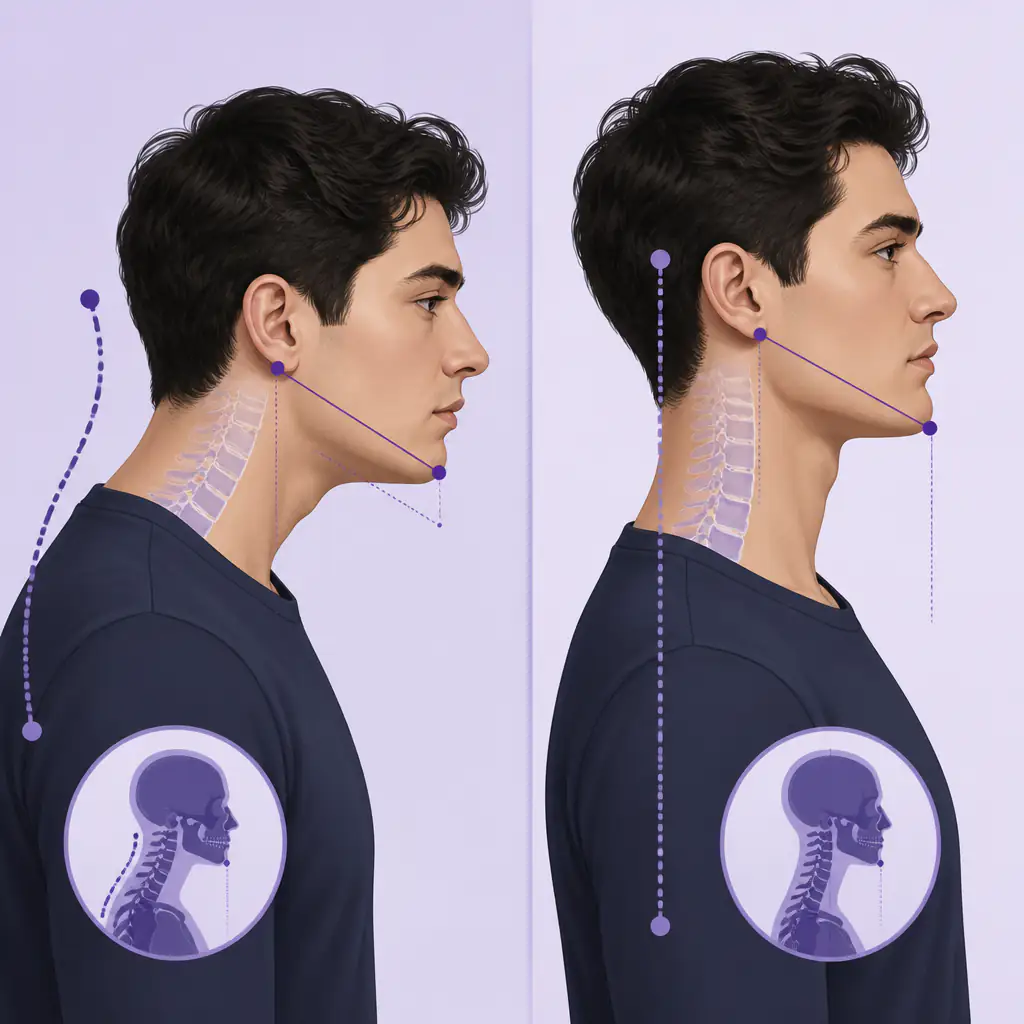
- Posture and mewing: Forward head posture depresses the chin and ages the neck. Correcting it is free. Mewing, the practice of resting the tongue on the roof of the mouth to encourage upward facial growth, is popular though long-term structural evidence in adults is limited.
- Sleep quality: Poor sleep visibly affects the periorbital area, skin tone, and overall energy in the face. Sleeping on your back may reduce facial asymmetry caused by pressure on one side.
- Style and presentation: Clothing that fits your frame, colors that complement your skin tone, and a consistent grooming routine all contribute to your overall perceived attractiveness.
Hardmaxxing
Hardmaxxing involves medical or surgical interventions. This includes rhinoplasty, jaw surgery (orthognathic surgery), chin implants, hair transplants, and various dermatological procedures. These carry real risks and costs.
If you are considering any medical procedure, talk to a qualified, licensed professional before making any decisions. This article does not constitute medical advice.
Most people will get the majority of their results from softmaxxing alone. Hardmaxxing makes sense to consider only after you have exhausted the non-invasive options and have a clear, realistic understanding of what a procedure can and cannot change.
How to Actually Start Looksmaxxing
The biggest mistake beginners make is trying to change everything at once. A more effective approach is to establish a baseline, identify your highest-leverage areas, and work systematically.
Step 1: Get an Honest Baseline
Take neutral, well-lit photos from the front, side, and a slight three-quarter angle. Natural lighting, no heavy filters, and a relaxed expression. This is harder than it sounds because most people have never looked at themselves this analytically.
Tools like Aura can help here. It provides a PSL score, jawline analysis, hunter-eye detection, and a personalized improvement plan based on your actual facial features, which removes much of the guesswork from deciding where to focus first.
Step 2: Prioritize Low-Hanging Fruit
For most people, the highest-return starting points are:
- Body fat reduction. If you are above roughly 15% body fat as a male (or proportionally higher for females), reducing this will reveal facial structure that is already there.
- Skincare. A simple routine of cleanser, moisturizer, and SPF takes under five minutes and compounds significantly over months.
- Haircut. A haircut suited to your face shape and hair texture changes your silhouette immediately.
- Posture correction. Chin tucks, wall angels, and simply becoming aware of your head position costs nothing.
Step 3: Track Changes Over Time
Progress in looksmaxxing is slow enough that it is easy to miss without documentation. Take comparison photos every four to eight weeks under the same conditions. This keeps you objective and motivated.
Step 4: Learn the Vocabulary
Understanding terms like midface ratio, canthal tilt, gonial angle, and facial thirds helps you read feedback more accurately and identify what to work on. You do not need to obsess over these, but knowing the anatomy helps you understand why certain changes have the effect they do.
Common Looksmaxxing Mistakes to Avoid
Fixating on unchangeable features. Bone structure has limits, especially in adults. Spending significant mental energy on features you cannot change without major surgery, while ignoring skin, body composition, and grooming, is a poor use of attention.
Neglecting overall health. Looksmaxxing is not separate from health. Chronic poor sleep, high stress, nutritional deficiencies, and dehydration all show directly on the face. Addressing these is not optional groundwork, it is core to the practice.
Chasing trends over fundamentals. Some looksmaxxing advice circulates widely despite little evidence behind it. Prioritize changes with a clear, plausible mechanism before experimenting with speculative ones.
Using the community for validation rather than information. Online looksmaxxing spaces can produce useful information, but they can also reinforce distorted self-perception. If you find yourself rating your own appearance obsessively or feeling worse after engaging with looksmaxxing content, that is a signal to step back.
The Mental Side of Looksmaxxing
Looksmaxxing works best when it comes from a place of self-improvement rather than self-rejection. There is a meaningful difference between wanting to look better because you value presenting yourself well and feeling that your worth depends entirely on your rating.
Research suggests that people who engage in appearance-focused self-improvement with an incremental, process-oriented mindset tend to get better results and maintain better mental health than those who treat it as a pass/fail judgment on their value as a person.
If your relationship with your appearance is causing significant distress, interfering with daily function, or pushing you toward risky behaviors, speak with a mental health professional. Body dysmorphic disorder (BDD) is a real condition that can be triggered or worsened by hyper-focused appearance analysis.
What Looksmaxxing Can and Cannot Do
What it can realistically do:
- Meaningfully improve skin clarity, texture, and tone
- Sharpen facial definition through body composition changes
- Improve the framing of your face through haircut and grooming
- Correct posture-related issues that affect how your face reads
- Build a more consistent, intentional presentation overall
What it cannot do:
- Change fundamental bone structure without surgery
- Guarantee specific outcomes from non-surgical interventions
- Substitute for broader confidence and social skills
- Produce results that are visible in days rather than months
The honest version of looksmaxxing acknowledges both sides. The goal is to look as good as your genetics allow, with consistency and patience, not to chase an unrealistic ideal.
Frequently asked questions
What does looksmax mean? +
Looksmax is shorthand for looksmaxxing, the practice of systematically improving your physical appearance through evidence-informed techniques. These range from grooming and skincare to body composition changes and, at the more advanced end, medical procedures.
Is looksmaxxing only for men? +
No. While much of the online community around looksmaxxing is male-focused, the underlying principles apply to anyone. The specific features prioritized and the techniques recommended differ between male and female contexts, but the framework of intentional appearance optimization is gender-neutral.
Does mewing actually work for adults? +
Mewing involves resting the tongue against the roof of the mouth to encourage upward and forward facial development. Evidence for structural bone change in adults is limited, since adult bone is largely set. However, some people report improvements in jawline definition that may relate to muscle tone or reduced facial tension. It costs nothing to try and has no known downside.
How long does it take to see results from looksmaxxing? +
It depends heavily on which interventions you focus on. Grooming and haircut changes are immediate. Skin improvements from a consistent routine typically become visible within six to twelve weeks. Body composition changes that sharpen facial features can take several months of consistent effort. Patience and documentation are key to tracking real progress.