 Aura: Looksmaxxing
 Truecel / Fakecel / Greycel
Labels used in looksmaxxing communities to distinguish men whose dating difficulties are primarily physical (truecel), primarily non-physical (fakecel), or ambiguously mixed (greycel).
What do these terms mean
A truecel is someone whose lack of dating success is attributed almost entirely to physical appearance, typically a combination of skeletal structure, facial features, and height that places them far below average by conventional PSL metrics. The term is often used alongside phrases like “truecel stare,” which describes a particular hollow or disengaged facial expression associated with extreme social isolation.
A fakecel is someone who claims incel status but whose physical features are considered average or above average by others. The argument is that their struggles stem from personality, social skills, mental health, or mindset rather than genetics. Related sub-labels like mentalcel (struggles rooted in mental health or anxiety) and iqlet (low social or practical intelligence holding someone back) fall under this umbrella. A wristcel refers specifically to someone who fixates on wrist circumference as a proxy for bone structure and masculinity.
A greycel sits in the uncertain middle, someone whose looks are ambiguous enough that it is genuinely unclear whether appearance or behavior is the primary limiting factor. The term “baraka incel” is sometimes used in the same space, referencing a figure perceived as objectively unattractive yet charismatic, which complicates the looks-only framework.
Origin
These terms grew out of online communities where members attempted to build quasi-scientific frameworks around dating outcomes, borrowing vocabulary from the broader PSL rating system. They reflect an effort to categorize why certain men struggle socially, though the categories are subjective and contested even within those communities.
How it relates to looksmaxxing
For looksmaxxing purposes, the truecel/fakecel distinction matters because it shapes what type of improvement is worth pursuing. If barriers are primarily physical, hard looksmaxxing approaches such as facial exercises, body recomposition, styling, and in some cases cosmetic procedures may be relevant. If barriers are behavioral or psychological, soft looksmaxxing and social skills work carry more weight.
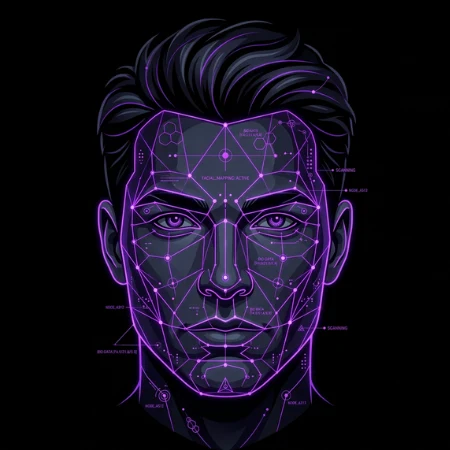
Tools like Aura can help cut through this ambiguity. Running an objective PSL score and facial analysis at app.aura-looksmaxxing.com gives you a data point on where your looks actually land, which is more useful than self-labeling. Knowing your starting point helps you decide where effort is best spent.
Examples in context
- He scored a 6.5 on Aura's face rating, which made a lot of people call him a fakecel rather than a truecel.
- Some guys use 'greycel' because they genuinely can't tell if their weak chin or their social anxiety is the bigger issue holding them back.
- The mentalcel label gets applied when someone's looks are fine but severe social anxiety is clearly the limiting factor.